
24/7 Customer Support

Free returns

Same-day & Next-day Delivery

Quality Guaranteed

Unlock Your Welcome Offers: FREE Delivery | Up to 80% OFF | Free 30-day JoyPlus trial
Download the APP
Navigating the drinks aisle for your weekly shop can feel overwhelming. Shelves are packed with bottles and cartons all promising refreshment, but the labels can be confusing. As the Joybuy Product Recommendation Officer, my role is to help you see past the marketing clutter and make choices that suit your family's needs and budget. Many shoppers find themselves disappointed, having paid a premium for what they thought was pure juice, only to find it's mostly sugar and water.
Let's look at a few common pitfalls to help you become a more discerning shopper:
To ensure you're getting what you pay for, focus on these key details on the product label. This simple check can save you from disappointment and help you find the perfect family soft drinks.
This is the most important factor. A product labelled "100% Pure Juice" should contain just that. A "Juice Drink" might have as little as 5-10% juice. For squash and cordials, the label will indicate the percentage of fruit juice in the concentrate, giving you an idea of the flavour intensity. A higher fruit percentage generally means a richer, more authentic taste.
Look at the "Carbohydrates (of which sugars)" line in the nutritional information. This tells you the total sugar content per 100ml, whether it's added or naturally occurring. If you're looking for no added sugar drinks, also check the ingredients list for sweeteners like Aspartame, Saccharin or Stevia, as different households have different preferences regarding these.
A shorter ingredients list is often a good sign. Look for natural flavourings and colourings. For options like coconut water UK or a tropical fruit juice, the primary ingredient should be coconut water or the fruit juices themselves, not water or sugar. This is also relevant for those seeking specific sports nutrition drinks, where the focus should be on functional ingredients rather than unnecessary fillers.
Instead of a generic list, we've matched some popular choices to different household needs.

Why This Fits Their Persona: A classic household staple, this squash offers an economical way to keep the whole family hydrated. You control the strength, making it a versatile choice for both adults and children who prefer a lighter flavour.
It is clearly labelled 'No Added Sugar' and uses sweeteners, so you know exactly what you are getting. The low calorie count per serving confirms it's not packed with hidden natural sugars.
Highly concentrated, meaning one bottle lasts a long time, offering great value. Made with real fruit juice for an authentic orange taste.
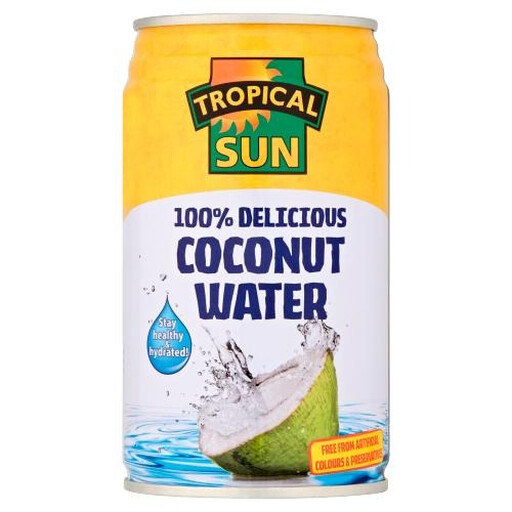
Why This Fits Their Persona: Perfect for post-workout hydration or a natural pick-me-up, this coconut water is simple and clean. It's a convenient, single-serving option for those who prioritise natural ingredients and electrolytes.
This product sidesteps the 'fruit drink' trap by being 99.9% pure coconut water. It has no added sugar, preservatives or artificial colours, offering complete transparency.
Provides natural hydration with naturally occurring electrolytes. The convenient can is ideal for lunchboxes, the gym, or refreshment on the go.

Why This Fits Their Persona: While not a drink, these smoothie melts offer a clever way to provide a fruity snack. They are made from 100% fruit and are perfectly portioned for toddlers, encouraging self-feeding without the mess of a drink.
This product is the definition of transparency. It contains only banana and strawberry purée. The sugar content is entirely from naturally occurring sugars, and the label is upfront about this.
Made with 100% fruit and free from common allergens, preservatives and artificial additives. The melt-in-the-mouth texture is ideal for toddlers aged 12+ months.
We have compiled a complete, real-time list of products that fully satisfy these strict selection criteria and UK safety regulations.
Fruit juice is typically 100% fruit, either from concentrate or not from concentrate. Squash and cordials are concentrated syrups made from fruit juice, sugar (or sweeteners) and water, which must be diluted before drinking. Cordials are often perceived as a more premium version of squash, but the terms are largely interchangeable.
Once opened, most long-life fruit juices should be refrigerated and consumed within 3 to 5 days. For squashes and cordials, the high concentration of sugar or preservatives gives them a longer life. They should also be kept in the fridge and will typically last for several weeks. Always check the packaging for specific storage instructions.
Drinks with no added sugar can be a sensible part of a balanced diet. They help reduce a child's intake of refined sugars. However, it's still wise to check the total sugar content from the fruit itself and serve them in moderation. Diluting juice or squash further is an easy way to reduce the sugar concentration per serving.