
24/7 Customer Support

Free returns

Same-day & Next-day Delivery

Quality Guaranteed

Unlock Your Welcome Offers: FREE Delivery | Up to 80% OFF | Free 30-day JoyPlus trial
Download the APP
The popularity of refreshing Asian soft drinks has brought a wave of new choices to the UK, with fruit oolong tea leading the charge. These ready-to-drink iced teas offer a sophisticated alternative to overly sweet fizzy drinks. However, not all bottled teas are created equal. Many shoppers find themselves disappointed by drinks that promise authentic flavour but deliver little more than sugar water.
Before you add a multipack to your basket, it's worth knowing about two common pitfalls that can lead to a poor purchase:
This guide will help you navigate the options and choose a high-quality Chinese fruit tea that genuinely delivers on taste and refreshment.
To avoid disappointment, focus on two key details on the product label. These objective metrics cut through marketing hype and tell you exactly what you're getting.
The difference between a vibrant, authentic fruit tea and a synthetic-tasting one often comes down to a single line in the ingredients list. Look for a quantitative ingredient declaration (QUID) for fruit juice.
High-quality brands will clearly state the percentage of real fruit juice used, often listed as "concentrated peach juice" or "grape juice concentrate". A declaration like "Total fruit juice content ≥5%" is a positive indicator that the flavour is derived from actual fruit, not just flavourings. This ensures a more natural and complex taste profile, whether you're choosing a classic peach oolong tea or an adventurous grape oolong tea.
To make an informed choice, always refer to the "Carbohydrates - of which sugars" value in the nutritional information table, specifically the figure per 100ml. This allows for a fair comparison between different products and brands.
In the UK, a beverage is generally considered a low sugar iced tea if it contains 5 grams of sugar or less per 100ml. Some options use sweeteners like erythritol or steviol glycosides to achieve a lower sugar content while maintaining sweetness. Paying attention to this number is the most reliable way to manage your sugar intake and find a drink that aligns with your dietary preferences.
Based on these criteria, we've matched a few standout options to different needs and preferences.
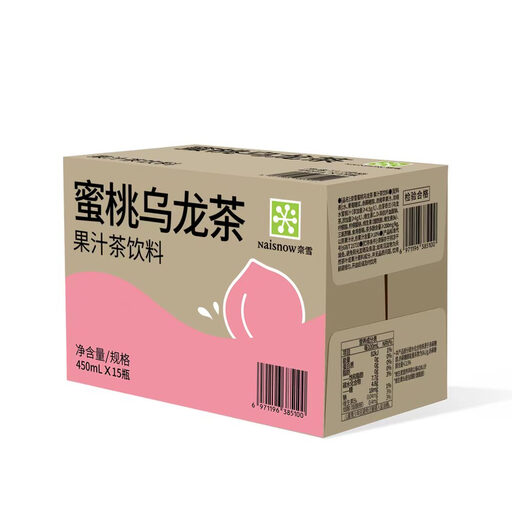
Why This Fits Their Persona: Ideal for on-the-go refreshment between lectures or during study sessions. The multipack format is convenient for stocking a student flat and the lower calorie count fits a health-aware lifestyle without sacrificing the popular peach oolong flavour.
It avoids the hidden sugar trap with a clear nutritional profile of just 82 kJ (20 kcal) and 4.8g of sugar per 100ml, placing it firmly in the low-sugar category.
Contains real peach juice concentrate and oolong tea. It is also formulated with 0g of fat and comes in a convenient 15-bottle multipack.

Why This Fits Their Persona: For those who prioritise a rich, authentic taste and are familiar with popular Chinese beverage brands. The Nongfu Spring Tea π series is well-regarded for its balanced and satisfying flavour profile, making it a reliable choice for an enjoyable treat.
It sidesteps the "fruit flavour" illusion by using real peach juice concentrate blended with oolong tea extract, delivering a genuine and well-rounded taste rather than a purely artificial one.
Known for its harmonious blend of sweet peach and robust oolong tea. The 500ml bottle offers a generous serving size for proper refreshment.
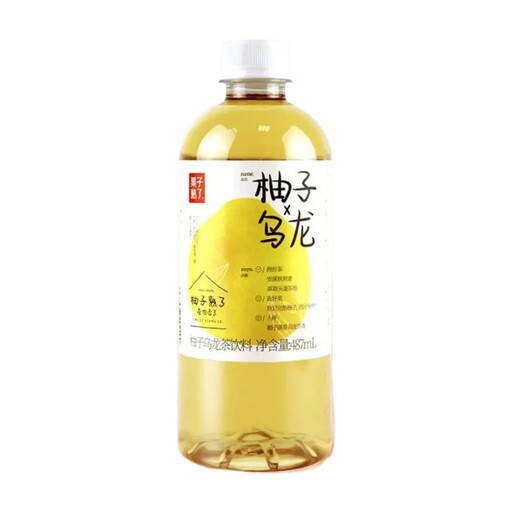
Why This Fits Their Persona: This drink is an excellent fit for anyone actively seeking to minimise their sugar intake. The zesty grapefruit flavour offers a different profile from the more common peach, providing a light and refreshing experience that is perfect for daily consumption.
This product directly addresses the sugar concern with its "Light Sugar Formula". The nutritional information confirms this, showing just 2.0g of sugar per 100ml, one of the lowest levels available.
Exceptionally low in sugar while still using real grapefruit and apple juice. The combination of oolong tea with tangy grapefruit creates a uniquely refreshing taste.
We have compiled a complete, real-time list of products that fully satisfy these strict selection criteria and UK safety regulations.
Oolong tea is a semi-oxidised tea, placing it between green tea and black tea. This gives it a unique flavour profile that is often described as smooth, with floral or roasted notes. This balanced character pairs exceptionally well with fruit flavours like peach, grape and citrus, as it complements the sweetness without being overpowered, creating a more layered and aromatic beverage than many standard black or green iced teas.
For the best taste and quality, store your bottled oolong tea in a cool, dry place away from direct sunlight, such as a pantry or cupboard. Heat and light can degrade the flavour over time. All ready-to-drink iced teas are best served chilled. Once a bottle is opened, it should be kept in the refrigerator and consumed within 24 hours.
Whether a ready-to-drink iced tea is a "healthy" choice depends entirely on its ingredients and nutritional content. A bottled oolong tea can be a refreshing, lower-calorie alternative to sugary fizzy drinks, especially if you choose a low-sugar option. The key is to read the label, check the sugar content per 100ml and look for products made with real tea and fruit juice rather than just artificial flavourings.