Dessert for one, with no leftovers
If you want fruit straight after the meal without opening more than you will eat, a multipack of separately sealed pots fits that plan. Check the size of each pot, not just the total pack weight.


For one dessert after a curry, choose separately sealed fruit pots if you want to open only the portion you will eat. A small tin can work if you will use its contents promptly, while a larger tin makes more sense when you are sharing or have a plan for the remainder. Check the packing liquid as well as the pack size: fruit in juice, syrup and jelly are different choices.
If you want fruit straight after the meal without opening more than you will eat, a multipack of separately sealed pots fits that plan. Check the size of each pot, not just the total pack weight.
If you are happy to serve fruit from a tin and use any remainder for another dessert, a small tin may suit you. A larger tin becomes more practical when several people will share it or you have a specific use for what is left.
If avoiding added sugar is your priority, read the ingredients as well as the front of the pack. The NHS advises choosing canned fruit in natural juice or water with no added sugar or salt; do not assume every pot or tin meets that description.
For a curry-night dessert for one, decide how much fruit you will open at once, then compare the packing liquid and your plan for any remainder.
| Concern | What to check | Who this matters to |
|---|---|---|
| Opening only one portion | Look for separately sealed pots and check the weight of each pot. A 4 × 113g pack contains four separate 113g pots. | After cooking for one, I may want a dessert without storing an opened tin. About 50% of consumers put avoiding leftovers and portioning work first. |
| Using the whole pack | Compare the tin size with the servings you have planned, and check the label for after-opening storage instructions. | If I can use fruit again at breakfast or for another dessert, I may prefer to portion a tin myself. Keeping the purchase proportionate to planned use comes first for about 30% of consumers. |
| Choosing the packing liquid | Read the packing-liquid description and ingredients to distinguish juice or water from syrup or jelly. | I might choose the liquid deliberately rather than treat every fruit dessert as interchangeable. For about 20% of consumers, the packing liquid is the primary concern. |
A 220g or 227g tin is smaller than a standard tin, but it still holds more than one of the separate 113g fruit pots shown in the retailer listings. One diner may not want to use it all after a curry.
Choose a sealed pot if opening just one portion matters most. Otherwise, decide when you will use the remainder before opening the tin.
Retailer ranges include different packing liquids. The NHS advises choosing canned fruit in natural juice or water with no added sugar or salt.
Check both the packing-liquid description and the ingredients, particularly if avoiding added sugar is your priority.
A particular fruit-pot flavour may be unavailable even when other fruits or formats are listed. Choosing solely by the flavour pictured can leave you without the portion format you wanted.
Check current availability and delivery eligibility before ordering, and decide whether another flavour in the same format would suit your dessert.
These ranges offer different ways to buy fruit for dessert; a brand name alone does not tell you whether the pack contains separate portions.
A range to consider when you want fruit such as peaches, pineapple or fruit cocktail in a tin.
An option for shoppers who prefer a small fruit tin to a multipack of pots.
Tesco lists both pot-fruit multipacks and tins, giving shoppers a choice of pack formats.
Its tinned-fruit range includes different fruits in juice, including 213g peach slices.
Its listed tinned fruit includes 560g rhubarb chunks and 540g grapefruit segments for a fruit-specific dessert.
These fruit-in-juice containers suit a curry-night dessert when you are sharing or have a plan for the remainder. They are not separately sealed individual fruit pots.
 No image available
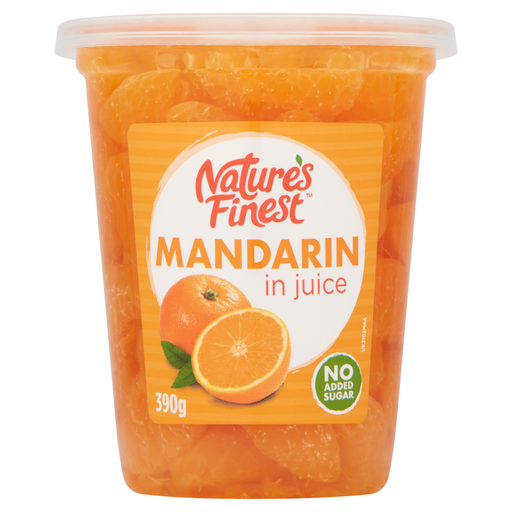
Consider this mandarin option if you can use more than one serving from a 390g container. It is fruit in juice rather than a set of individually sealed pots; check the label’s storage directions before opening it for one dessert.
 No image available
Choose fruit cocktail if you want mixed fruit for several desserts or diners. This 415g tin is packed in juice, but it does not provide separate sealed portions; plan how to use and store any remainder.
 No image available
Consider pineapple slices if your dessert calls for slices and you can share the tin or use the rest later. The 435g tin contains pineapple in juice, not individually sealed servings; follow its after-opening storage instructions.
 No image available
Choose chunks if that shape suits your dessert and a second serving is planned. This 432g tin contains pineapple with juice, rather than separately sealed portions; check its directions for storing unused fruit.
Yes. The NHS says that 80g of fresh, canned or frozen fruit and vegetables counts as one portion. Check how much fruit you actually serve rather than assuming that one whole pot or tin equals one portion.
If avoiding added sugar is your priority, the NHS advises choosing canned fruit in natural juice or water with no added sugar or salt. Read the ingredients on the specific product: a description such as “in juice” does not, by itself, answer every question about its contents.
Follow the instructions on the pack you buy, including any directions to refrigerate the remainder. For example, the Dole Mandarins in Juice fruit-pot listing says to refrigerate immediately after opening and enjoy within two days; that time limit should not be applied to every tin or pot.