What matters when choosing
Start with how many separate portions you need during the week. Then match the pack size to likely use and check whether the fruit comes in juice, syrup or another preparation.
| Concern |
What to check |
Who this matters to |
| Separate weekday portions |
Count the sealed pots and check the weight of each one. Confirm that the exact pack contains fruit in your preferred preparation. |
For packed lunches across the week, I want fruit I can take without dividing an opened tin; about 42% of consumers put separate portions first. |
| Usable quantity |
Match tin size to the servings you plan to make. Where stated, use drained weight to compare the amount of fruit rather than relying on total pack weight. |
If several people will share fruit at breakfast or dessert, I need a tin size we can use without leaving much behind; roughly 25% of consumers prioritise usable quantity. |
| Packing medium and label |
Read the exact product’s ingredients and nutrition information, and check whether it contains juice, light syrup, syrup or jelly. |
When choosing fruit for desserts, I want to know what it is packed in and what the label says; about 33% of consumers put those details first. |
Larger tins on Joybuy
These Joybuy choices are shared tins for desserts, breakfasts or recipes, rather than separate portions for packed lunches. If individual sealed servings are the priority, use the pot-versus-tin checks above before choosing from this list.
 No image available
Princes Pineapple Chunks With Juice 432g
Consider this shared tin when pineapple chunks will go into more than one serving or a recipe. It contains 432 g of pineapple chunks with juice, rather than individually sealed portions. The product information directs you to transfer leftovers to a sealed container, refrigerate them and use them within two days.
View on Joybuy
 No image available
Del Monte Pineapple Slices in Juice 435g
This 435 g tin is an option when pineapple slices will be shared or used in a dessert. It is packed in juice but does not provide separate sealed portions. Follow its directions for transferring and refrigerating any leftovers.
View on Joybuy
 No image available
Del Monte Peach Halves in Juice 415g
Choose this shared tin if peach halves fit the desserts or snacks you have planned. The 415 g tin contains peach halves in juice, not individual pots. Its product information calls for refrigerating unused contents in a non-metallic container.
View on Joybuy
 No image available
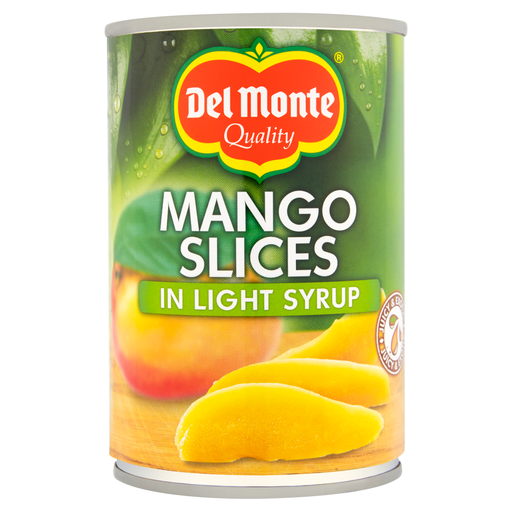
Del Monte Sliced Mango in Light Syrup 425g
This 425 g shared tin suits a plan to use mango slices for breakfast or dessert. It is packed in light syrup rather than juice, so read the exact label if the preparation matters to you. Refrigerate leftovers as directed on the product.
View on Joybuy
 No image available
Del Monte Pear Halves in Juice 415g
Consider this 415 g shared tin for pear halves in a dessert or fruit salad. It is not a pack of separate servings. Check the pack for drained weight if the quantity of fruit matters to your plan, and follow its after-opening storage directions.
View on Joybuy
Common questions
Should I buy fruit pots rather than tins for a weekly shop?
Buy multipack pots when you will use several sealed portions separately during the week. A small tin can suit an occasional snack or dessert, while a larger tin suits planned shared servings; check each product’s size and packing medium before deciding.
What should I check on a prepacked tin of fruit?
Check the exact pack for its ingredients, allergens, quantity, date marking and storage directions, rather than relying on a category name or product image. GOV.UK guidance on prepacked food labelling in Great Britain identifies ingredients, allergens, quantity and date marking among the information food businesses must provide.
How should I store fruit left in an opened tin?
Follow that product’s after-opening instructions. Food Standards Scotland advises checking the label for refrigeration directions; for example, the M&S grapefruit segments product says to transfer leftovers to a non-metallic container, refrigerate them and eat them within two days.
Is fruit in juice the same as fruit in syrup or jelly?
No: those descriptions identify different preparations, and ingredients vary by product. Compare the exact packs’ ingredients and nutrition information if the packing medium affects your choice.


