Hosts setting out individual servings
Sealed cups avoid portioning fruit from a shared tin. Ocado lists a Del Monte 4 × 113g fruit-pot pack, while Tesco Groceries lists a 4 × 120g pear-and-peach pack.


Choose sealed fruit pots if each afternoon tea guest needs a ready-portioned serving. A small can can work for one or two people, while a larger tin makes more sense when you can serve the fruit in bowls and manage what remains after opening. In every format, check the fruit, packing liquid and label rather than treating the container as a guide to serving size.
Sealed cups avoid portioning fruit from a shared tin. Ocado lists a Del Monte 4 × 113g fruit-pot pack, while Tesco Groceries lists a 4 × 120g pear-and-peach pack.
If you prefer fruit in juice to fruit in syrup or jelly, check the ingredients and nutrition panel of the exact product. The words ‘no added sugar’ do not describe its total sugars.
A small can or a larger tin lets you decide how much to serve alongside the rest of afternoon tea. Check its quantity and post-opening instructions before deciding how much to open.
| Concern | Buying checks | Who this matters to |
|---|---|---|
| Ready-to-serve portions | Check the pack count and quantity per cup. Tesco Groceries and Ocado list four-packs with 120g and 113g cups respectively. | If I’m setting out fruit for several guests, I want a sealed serving for each person without dividing a tin. About 33% of consumers put ready-to-serve portions first. |
| Packing liquid and ingredients | Check whether the fruit is in juice, syrup or jelly, then read the ingredients and sugars figure on the label. | When I have a preference about the packing liquid, I need to know what surrounds the fruit as well as what fruit is inside. For about 25% of consumers, that label choice is the primary concern. |
| Fruit choice and presentation | Check the named fruits in a mixed pot and its container size before planning how to serve it. | I may want a particular fruit or a mix that suits the other food on the table. Fruit choice and presentation come first for about 25% of consumers. |
| Flexible sharing | Compare the net quantity with the number of bowls you plan to serve, and check the pack’s instructions for anything left over. | For a small table, I would rather divide a can or tin than open several separate cups. About 17% of consumers primarily want that flexibility. |
Fruit may be packed in juice, syrup or jelly, and a ‘no added sugar’ claim does not mean there are no sugars in the product.
Read the packing-liquid description, ingredients and nutrition table on the product you intend to serve.
A 113g cup, a 198g pot and a 220g can are different quantities; the container alone does not decide how much each guest receives.
Check the stated quantity and pack count, then use bowls if you plan to share a larger container.
Storage directions can differ between fruit pots. A pack that can be stored unopened may still need prompt attention once opened.
Read the exact pack’s refrigeration and use instructions before opening more fruit than you expect to serve.
Fruit left unused beyond the pack’s stated period may have to be discarded.
Mixed-fruit products can differ in their fruit, packing liquid and other ingredients, which matters when serving guests with ingredient or texture concerns.
Check the full ingredients and allergen information on the exact pack before serving.
Ocado lists Del Monte Peach & Pear in Juice as a 4 × 113g fruit-pot multipack.
Tesco Groceries lists its Pear And Peach Pieces in a 4 × 120g format alongside other tinned and pot fruit.
Tesco Groceries lists Princes Fruit Cocktail With Juice in a 220g can.
Sainsbury's lists own-label peach slices in fruit juice in a 411g tin.
Marks & Spencer lists larger tinned-fruit options including rhubarb chunks and grapefruit segments.
These Joybuy selections are tins of fruit to portion into bowls for afternoon tea, rather than sealed cups for each guest.
 No image available
For fruit served in bowls, this is a 415g fruit cocktail packed in juice. Divide the opened tin as needed and check its label for ingredients and leftover-storage instructions.
 No image available
If you want peaches to portion into dishes, this tin contains 415g of peach halves in juice. It is not a set of sealed servings; check the pack before storing any remainder.
 No image available
For a pineapple option served from one tin, this product contains 432g of chunks with juice. Decide how much to put in each bowl and follow the pack’s directions for any leftovers.
 No image available
Choose this 415g tin if pear halves in juice suit the bowls you plan to serve. The fruit needs portioning after opening; use the exact pack’s ingredients and storage instructions.
 No image available
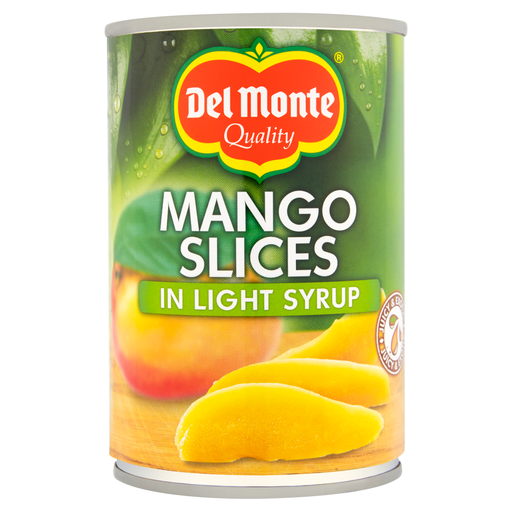
For mango served in bowls, this is a 425g tin of slices in light syrup, not juice. Check its ingredients and nutrition panel if the packing liquid affects your choice, and follow the pack’s directions after opening.
Yes. NHS guidance for the UK says 80g of fresh, canned or frozen fruit and vegetables counts as one portion. Check how much fruit you actually serve rather than assuming that one cup or can equals that amount.
No. The claim concerns added sugar, not all sugars in the fruit and its juice. Ocado’s listing for Dole Fruit Salad With Cherry In Juice says ‘No Added Sugar’ and gives 13g sugars per 100g; read the nutrition panel for the exact product you choose.
Follow that product’s instructions for refrigeration and how soon to use the remainder. Directions differ between fruit products, so check the pack before opening it for afternoon tea.
Check the exact pack’s ingredients and allergen information, including the fruits and packing liquid. A name such as ‘fruit cocktail’ does not identify every ingredient a guest may need to know about.