People handing out individual fruit portions
If fruit is the item being served, a multipack of sealed pots avoids dividing an open tin. ASDA Groceries lists fruit medley and peach pots in four-packs of 113g portions.


Choose sealed fruit pots if the fruit itself needs to be a consistent individual portion with little preparation. Choose a small or standard tin if you are making fruit-topped cakes or dessert cups and want to divide the fruit yourself; allow for draining, portioning and checking the ingredients of each finished dessert. Check the actual pack for its fruit, packing medium and storage instructions.
If fruit is the item being served, a multipack of sealed pots avoids dividing an open tin. ASDA Groceries lists fruit medley and peach pots in four-packs of 113g portions.
If you are topping cakes or assembling dessert cups, tins let you divide slices, halves or pieces between portions. The amount needed depends on your recipe, not just the tin’s total weight.
If you plan to pack finished desserts before offering them for sale, keep track of the fruit and every added ingredient. The Food Standards Agency distinguishes prepacked for direct sale food by how and where the same food business packs and offers it; check how the school’s arrangements apply.
Decide whether you need fruit that is already portioned or an ingredient you can divide across a batch, then check the finished dessert’s ingredient information.
| Concern | What to check | Who this matters to |
|---|---|---|
| Ready-made portions | Check the number of pots, grams per pot and whether the fruit is intended to be served unopened or added to a dessert. | I need portions I can hand out without opening and dividing tins on the day. About 42% of consumers put ready-portioned convenience first. |
| Fruit for a batch | Choose the fruit shape and packing medium for the recipe; check drained quantity or stated servings where available. | When I make several cakes or dessert cups, I want to control how much fruit goes into each one. Flexible batch preparation is the primary need for about 33% of consumers. |
| Ingredient information | Read the current pack label, record added ingredients and confirm the school’s process before packing finished desserts. | If I pack desserts before the sale, I need accurate information for the complete item, not just its fruit. That is the main concern for about 25% of consumers. |
ASDA Groceries lists its peach tin at 411g with three suggested servings, while its fruit pots come as four separate 113g units. A tin still needs to be opened and divided if you are making individual desserts.
Choose sealed pots for individual fruit servings. For a recipe, work out the fruit needed per dessert before deciding how many tins to buy.
Dividing fruit into separate containers can also mean allowing time for draining and arranging cups, lids or labels.
A no-added-sugar claim does not mean fruit packed in juice contains no naturally occurring sugars.
If sugar content matters to your choice, read the nutrition panel and ingredients on the particular pack rather than relying on the front-of-pack claim.
Ingredients and dietary information can change. An online listing is useful for narrowing down formats, but the pack you use is the one that matters when preparing desserts.
Check each can or pot before use and retain its ingredient information alongside the details of cakes, creams, biscuits or toppings you add.
The Food Standards Agency says prepacked for direct sale food needs the name of the food and a full ingredients list. Whether a bake-sale dessert falls within that category depends on the packing and sale arrangements; the original fruit label does not describe added ingredients.
Confirm the school’s process before prepacking desserts and prepare information for the complete item where required.
Preparing labels for finished items can add work before the sale.
ASDA Groceries lists fruit medley and peach pots in 4 × 113g packs, as well as a 411g tin of peach slices in fruit juice.
Tesco Groceries lists pear and peach pieces in a 4 × 120g pack alongside standard tins of fruit.
Princes lists Peach Slices with Juice in 220g and 410g cans, giving bakers two can sizes to consider.
UK supermarket listings include Del Monte canned peaches, pears, mandarins, pineapple and fruit cocktail.
Sainsbury's lists own-label peach slices in fruit juice in 213g and 411g cans, alongside other tinned fruits.
Marks & Spencer lists tinned grapefruit segments and rhubarb chunks; its portion-sized fruit pots are fresh prepared fruit.
These Joybuy selections are peach products to open and divide between cakes or assembled dessert portions. They are not sealed, ready-portioned fruit pots; choose the fruit shape and packing medium for your recipe, and check how much you will need.
 No image available
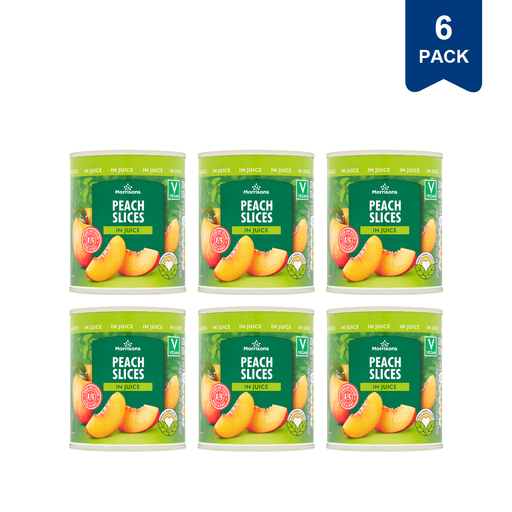
Consider these peach slices for desserts that you will assemble and portion yourself. The title states 220g and “6 Packs”; confirm the bundle contents before planning a batch around that pack count. Check the current label before using the fruit with other ingredients.
 No image available
Peach slices are an option when you want to divide fruit between assembled desserts rather than hand out sealed pots. The named product is 220g; decide how many tins your recipe needs rather than treating the can as a fixed number of finished desserts.
 No image available
Choose peach halves if that shape suits the dessert you are preparing and you can divide the fruit yourself. This is a 415g can packed in juice, not a set of individual servings; plan the number of finished portions from your recipe.
 No image available
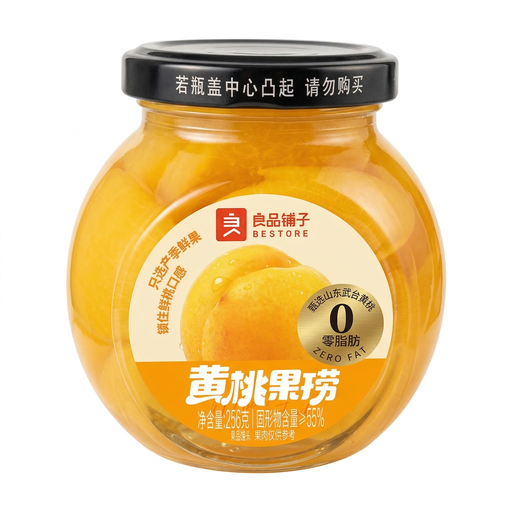
Consider this yellow peach product if syrup suits the dessert you are making. The named 256g bottle is not a sealed serving for each customer; check its label and work out how you will divide the fruit before preparing the finished portions.
Buy sealed pots when you intend to serve the fruit as separate, fixed portions. Buy a tin when fruit is an ingredient in several cakes or dessert cups and you can drain and divide it; compare the portions your recipe requires rather than pack weight alone.
They have different packing media, so check the exact ingredients and choose the one your recipe calls for. If a topping or filling needs drained fruit, plan that preparation whichever format you buy.
Follow the storage instructions on the particular pack and plan when you will assemble the desserts. Do not apply another brand’s storage period to the tin you have bought.
Check how the desserts will be packed and sold before deciding which requirements apply. The Food Standards Agency says food packed before sale by the same food business at the same premises or location can fall within prepacked for direct sale requirements, which include the food name and a full ingredients list. Confirm the school’s arrangements and account for every ingredient in the finished dessert.
Use it to shortlist products, then read the label on the pack you actually buy. Check the fruit and packing medium as well as any ingredients you add to the final dessert.