Hosts serving separate desserts
If you want to hand guests a portion without dividing a tin outdoors, look at sealed fruit pots. Tesco and Asda list four-packs with 120g and 113g pots respectively.


Choose individual fruit pots or a multipack when guests need ready-to-serve barbecue desserts; choose a larger tin when you plan to divide the fruit for a shared dessert or use it for grilling. For grilling, check the size and shape of the pieces. If avoiding added sugar matters, follow NHS advice to look for fruit in natural juice or water and check the individual label.
If you want to hand guests a portion without dividing a tin outdoors, look at sealed fruit pots. Tesco and Asda list four-packs with 120g and 113g pots respectively.
If the packing liquid matters to your choice, distinguish fruit in juice or water from fruit in syrup or flavoured jelly. The NHS advises choosing canned fruit in natural juice or water with no added sugar or salt.
If the fruit needs to go on a grill or skewer rather than straight into a bowl, check its cut and piece size. Good Food describes grilling pineapple slices or wedges and using pineapple in barbecue kebabs.
For a barbecue dessert, decide whether the fruit will be served in separate portions, divided from a tin or cooked. The concerns below reflect different primary needs among consumers making that choice.
| Concern | What to check | Who this matters to |
|---|---|---|
| Individual portions | Pot count and weight per pot; fruit in juice or flavoured jelly. | When dessert is served outdoors, I want to give each guest a sealed portion instead of dividing an opened tin. About 36% of consumers might make ready-to-serve portions their main concern. |
| Packing medium | Whether the fruit is in juice, water, syrup or jelly; ingredients and sugars per serving. | I want to avoid added sugar, so the liquid or jelly around the fruit matters as well as the fruit itself. For about 29% of consumers, that packing-medium choice might come first. |
| Usable fruit quantity | Drained weight for fruit in liquid, alongside pot count or tin size. | If I am dividing fruit between several guests, I need to know how much fruit remains after draining it. Roughly 21% of consumers might prioritise usable fruit quantity. |
| Fruit for grilling | Piece shape and size for the intended grill or skewer method. | I plan to turn the fruit on a grill or thread it onto skewers, rather than serve it from a pot. Around 14% of consumers might put the fruit’s cooking format first. |
UK ranges also include fruit in syrup and flavoured jelly, which may not fit the same dessert preference.
Read the packing medium, ingredients and nutrition information on the particular pack. If avoiding added sugar is your priority, the NHS advises looking for fruit in natural juice or water with no added sugar or salt.
For fruit packed in liquid, the net weight includes liquid. Sainsbury’s lists a Del Monte peach tin at 415g with a 250g drained weight.
Check drained weight when working out how much fruit you can divide between dessert bowls or use in a recipe.
Fruit that is easy to spoon into a bowl may be awkward to turn on a grill or keep on a skewer.
Check the cut on the pack before buying. Good Food describes pineapple slices or wedges for grilling and pineapple pieces for barbecue kebabs.
Storage after opening depends on the product’s instructions; being canned does not establish its open life.
Follow the manufacturer’s storage and open-life directions, as advised by GOV.UK.
UK supermarket listings include Del Monte peaches and pineapple in juice, as well as fruit cocktail in light syrup.
Tesco lists Princes apple slices among its tinned and pot fruit.
Tesco lists own-label fruit in four-packs, including Pear and Peach Pieces 4 x 120g, alongside other pot formats.
Sainsbury’s tinned-fruit range lists several fruit types and both juice-packed and syrup-packed products.
Asda lists Fruit Medley Pots in a 4 x 113g pack.
M&S lists tinned fruit and portion-sized fruit pots in separate ranges.
These tinned pineapple products suit shoppers considering fruit to divide for a shared barbecue dessert or a recipe. They are not individual fruit pots; check the cut if you intend to grill or skewer the fruit.
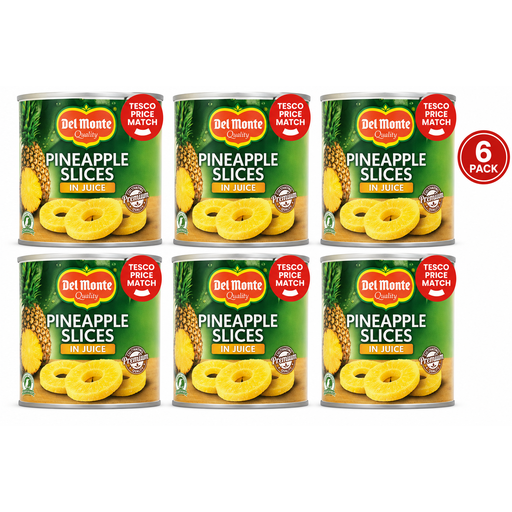 No image available
Consider this pack if you want pineapple slices for a shared dessert and prefer to open tins as needed. It contains six 435g tins, not separate guest-sized pots; check whether the slices suit your grilling method.
 No image available
A single tin is an option when you plan to divide pineapple for a dessert rather than hand out individual pots. The fruit is described as slices in juice; check whether the slices suit your grill or skewer.
 No image available
Consider pineapple chunks if your shared dessert or recipe calls for pieces rather than slices. This is a 432g tin, not individual pots; check the chunk size before choosing it for skewers.
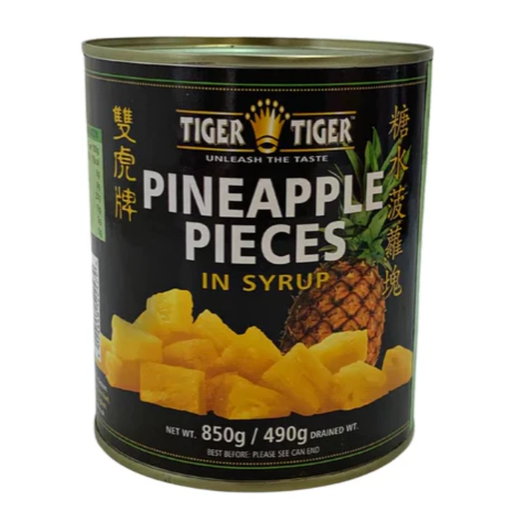 No image available
This larger tin is an option for a dessert you will divide between guests. It contains pineapple pieces and is described as packed in light syrup, not juice; check the label if avoiding added sugar matters, and confirm piece size before grilling.
Yes. NHS guidance includes tinned fruit in 5 A Day and advises choosing fruit in natural juice or water. Check the fruit quantity in an individual pot rather than assuming every pot provides a full portion.
No. Juice, syrup and flavoured jelly are different packing media. If you want to avoid added sugar, the NHS advises choosing canned fruit in natural juice or water with no added sugar or salt; check the specific ingredients and nutrition label.
Pineapple is used for grilling, but check whether the tinned product’s slices or chunks are substantial enough for your method. Good Food describes grilled pineapple slices or wedges and pineapple barbecue kebabs; drain tinned fruit before handling it on a grill or skewer.
Follow the storage and open-life instructions on the product. GOV.UK advises following the manufacturer’s instructions for how long food can be kept after opening.
Check the ingredients and highlighted allergens on the particular prepacked product, including a fruit pot with other ingredients. GOV.UK states that food businesses must identify regulated allergens when they are ingredients in food or drink.