People stocking a cupboard for one
If meals are irregular, separately opened portions let you take out only the fruit you intend to use. A four-pack of small portions serves a different purpose from one large tin.


Choose separately opened fruit pots if you are shopping for one person or cannot predict when you will use the next portion. Larger tins, including multipacks of tins, make more sense when you have meals or recipes planned for their contents. Check whether the fruit is packed in juice or syrup, and follow the storage instructions once a pack is opened.
If meals are irregular, separately opened portions let you take out only the fruit you intend to use. A four-pack of small portions serves a different purpose from one large tin.
When several people will use fruit for breakfasts, desserts or recipes, a larger tin can fit the plan. Agree when an opened tin will be finished and check how its leftovers must be stored.
If the packing liquid matters to you, read the exact product’s ingredients and nutrition panel. Fruit in juice, fruit in light syrup and products labelled no added sugar should not be treated as interchangeable.
Start with how much fruit you expect to use after opening one container. Then compare the pack format and label, rather than assuming that a multipack contains large tins.
| Concern | What to check | Who this matters to |
|---|---|---|
| Separate portions | Check the number and size of individual containers, and whether they are pots or tins. | If my first-shop meals are unpredictable, I want to open just one portion without leaving a larger tin unfinished. About 40% of consumers put separately usable portions first. |
| Quantity for planned use | Check the number of tins and their net and drained weights where shown; read the opened-pack storage instructions. | For shared breakfasts or a recipe, I need enough fruit for the planned servings and a way to use any leftovers. Roughly 40% of consumers make planned quantity their main concern. |
| Packing liquid and label | Read the ingredients and nutrition panel to distinguish juice, water and syrup; do not equate no added sugar with sugar-free. | When choosing fruit for regular use, I want to know what liquid it comes in and what the label says about sugars. Around 20% of consumers put that label choice first. |
A four-pack of individual fruit pots lets you open one portion at a time; a multipack of larger tins still leaves you with a larger quantity each time you open one.
Check the container type and the weight of each unit, not just the number on the front of the pack.
Fruit packed in juice can still list sugars in its nutrition declaration. The packing liquid and the wording on the front of a pack do not replace the ingredients and nutrition panel.
Read both parts of the exact product label if sugars or sweeteners affect your choice.
Opened-pack instructions differ by product. For example, M&S Food instructs shoppers to transfer its 540g grapefruit segments to a non-metallic container, refrigerate them and eat them within two days of opening.
Choose a tin size you can use as directed, or choose separately opened portions when the next serving is uncertain.
Net weight and drained weight describe different quantities when fruit is packed in liquid. Two containers with similar net weights need not contain the same weight of fruit.
Check which weight is displayed and consider how much fruit your planned meal or recipe needs.
These ranges illustrate different pack formats and packing liquids; check the particular product rather than applying one product’s label to the whole brand.
Tesco Groceries lists own-label portion packs alongside conventional tinned fruit, including Pear And Peach Pieces 4 x 120g.
Princes lists peach slices with juice in 410g and 220g sizes, giving shoppers two sizes of that product to consider.
Del Monte fruit listed by Tesco Groceries includes products in juice and in light syrup.
Dole offers individual fruit-pot multipacks, including Tropical Fruit in Juice 4 x 113g listed by Sainsbury's.
M&S Food lists larger single containers including 540g grapefruit segments in juice.
For a first food shop, these products cover multipacks of larger tins, separately portioned peaches and a single larger tin. Choose by what you will use each time a container is opened; the mango is packed in light syrup, while the other product titles specify juice.
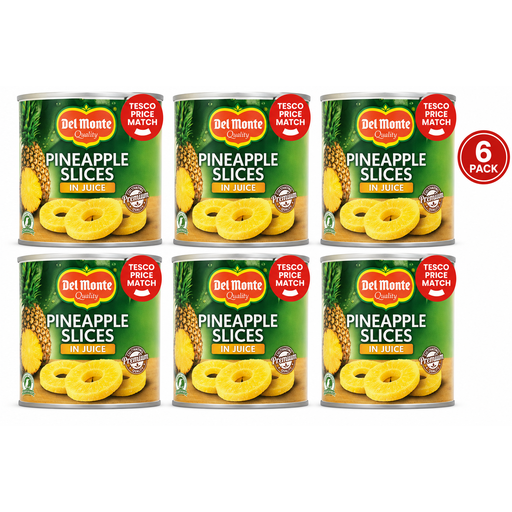 No image available
Consider this six-tin pack if you have several uses planned but want to open one tin at a time. Each tin is labelled 435g; follow its pack instructions for any fruit left after opening.
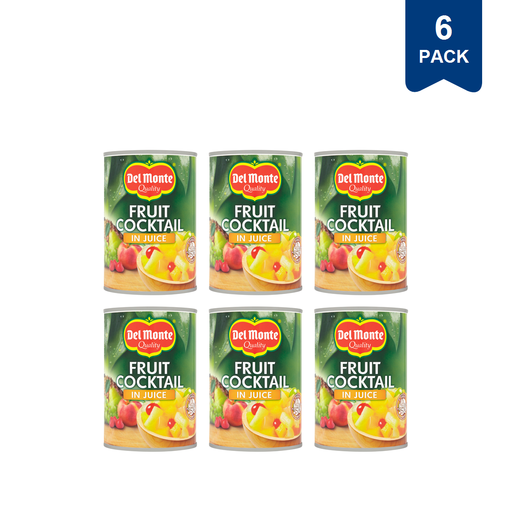 No image available
This six-pack offers separate 415g tins for planned repeat use. Read the ingredients on the actual pack if colourings affect your choice, and check its instructions for storing opened fruit.
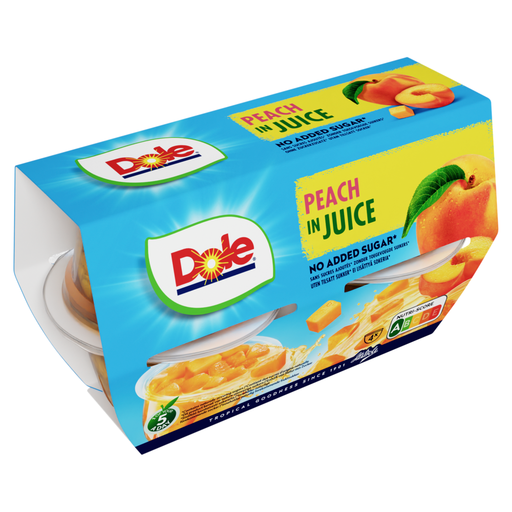 No image available
The four separately opened portions suit a cupboard stocked for one person or irregular use. These are fruit pots, not large tins; check the pack’s sweetener information and instructions for an opened pot.
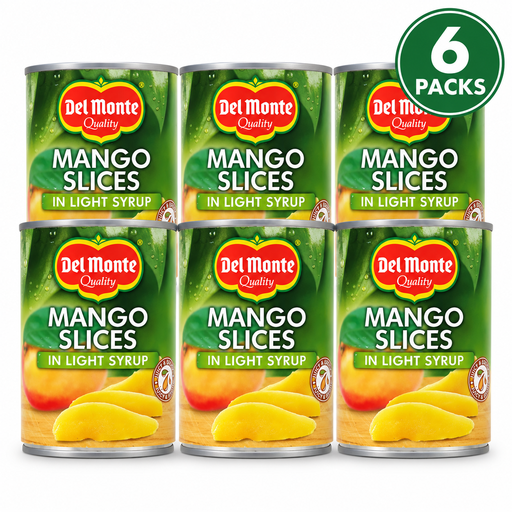 No image available
Consider this six-tin pack when mango in light syrup suits a planned dessert or recipe. Each tin is labelled 425g; it is a different packing-liquid choice from fruit in juice, so read the ingredients before choosing it for regular use.
 No image available
This single 432g tin suits a planned meal or recipe without committing to a multipack. Check how much you will use on opening and follow the tin’s instructions for any leftovers.
Yes. The NHS says 80g of canned fruit or vegetables counts as one 5 A Day portion. Check the amount of fruit you actually serve rather than assuming an entire tin or pot is one portion.
Not necessarily. Fruit and its packing juice can contribute sugars even when a product says no added sugar. Read the ingredients and sugars entry on the nutrition panel of the product you intend to buy.
Follow that product’s label. For its 540g grapefruit segments, M&S Food instructs shoppers to transfer leftovers to a non-metallic container, refrigerate them and eat them within two days; do not apply that product-specific period to every tin.
No. GOV.UK distinguishes best-before dates, which concern quality, from use-by dates, which concern safety. Check the date and storage wording printed on your tin, including any separate instructions for after opening.