
24/7 Customer Support

Free returns

Same-day & Next-day Delivery

Quality Guaranteed

Unlock Your Welcome Offers: FREE Delivery | Up to 80% OFF | Free 30-day JoyPlus trial
Download the APP
Fruit preserves and canned fruit can save time on busy mornings, simplify baking and provide cupboard or freezer options when fresh produce is unavailable. However, jars, cans, pouches and frozen bags are not interchangeable. The right choice depends on whether you need a breakfast spread, ready-to-eat fruit, a baking ingredient or a suitable option for a young child.
As the Joybuy Product Recommendation Officer, I focus on practical details rather than packaging language. These are the common buying traps to avoid before ordering.
A fruit jam or fruit conserve may contain a substantial amount of fruit but still have a high total sugar value. For example, the supplied information for Bonne Maman Apricot Conserve lists 50g of apricots per 100g and 60g of total sugar per 100g. That makes it suitable as a spread or baking ingredient, but it should not be treated like plain fruit.
Check the nutrition panel for:
“Made with fruit” does not automatically mean “low in sugar”.
Canned peaches and canned pineapple are often sold by net weight, but some of that weight is juice. Del Monte Peach Halves In Juice 415g, for example, has a 235g drained weight. If you are comparing cost, compare the edible fruit quantity rather than the full can size.
This matters when buying multipacks, preparing a dessert or calculating how much fruit is needed for a recipe. A can containing peach slices in juice may also be more convenient than halves if you want to add fruit directly to yoghurt, porridge or a fruit salad.
A jar of fruit conserve is useful for toast, pancakes and fillings, but it is not a direct replacement for canned fruit in a crumble. Frozen summer fruits can work well in smoothies and baking, but require freezer space and preparation time. Fruit pulp such as mango pulp or durian pulp is convenient for desserts, but may need thawing and careful storage.
Before buying, decide whether you need:
Read the ingredients list in descending order by weight. For a straightforward product, fruit should appear near the beginning. Princes Apple Fruit Filling contains 45% apple pieces, along with water, sugar and modified maize starch. That composition makes it designed for baking and spooning onto desserts rather than serving as an unsweetened fruit portion.
For products such as Laila Alphonso Mango Pulp, check whether the pack contains only fruit or also sugar and water. The supplied listing states 90% Alphonso mango pulp and 8% sugar. Happy Musang King Durian Fruit Pulp is listed as 100% pure durian pulp, but it must remain frozen at or below -18°C.
Use the per-100g panel for comparing products, then check the serving information for real-life use. A small pot of peaches may have a different portion size from a large tin used in family baking.
For example, Dole Peaches In Juice 4 x 113g lists 65 kcal per 113g pot and no added sugar in the supplied product information, although it contains white grape juice from concentrate and steviol glycosides. This is different from assuming the product contains only peaches and water.
Shelf life applies while the packaging remains unopened and intact. Once opened, follow the label instructions:
For baby food, read the age guidance and feeding directions. Government guidance commonly advises starting weaning at around six months, while some products are labelled from four months. The individual child’s readiness should be discussed with a health professional. Always supervise feeding and keep pouch caps away from young children.

Why This Fits Their Persona: A practical ambient-cupboard option for households wanting canned fruit for breakfasts, desserts or occasional snacks without buying a large multipack.
The listing states both net weight and 235g drained weight, making the actual fruit quantity easier to assess.
Peach halves in juice; 50 kcal per 100g; stores in a cool, dry place before opening.

Why This Fits Their Persona: Suits shoppers seeking a traditional jar for toast, afternoon tea, pancakes and small baking projects.
The ingredient and nutrition details clearly show fruit content and 60g total sugar per 100g, so the product is not mistaken for plain fruit.
370g jar; prepared with 50g apricots per 100g; pectin is listed as the gelling agent.
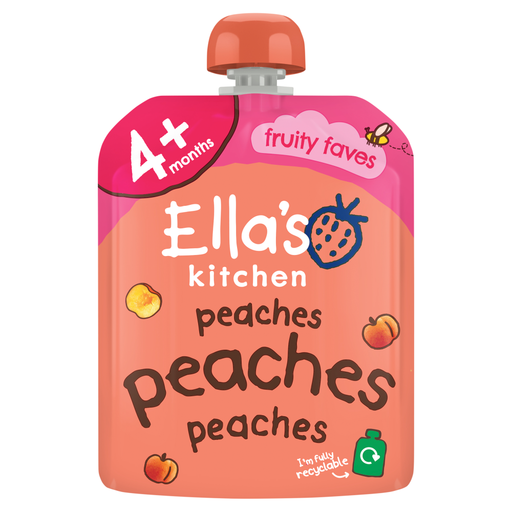
Why This Fits Their Persona: A small pouch format for parents introducing fruit purée, including convenient feeding at home or while travelling.
The listing identifies a 4+ months stage, organic peach purée and a dash of lemon juice, rather than presenting it as a general adult snack.
70g pouch; no added sugar or salt listed; refrigerate opened contents and use within 48 hours.
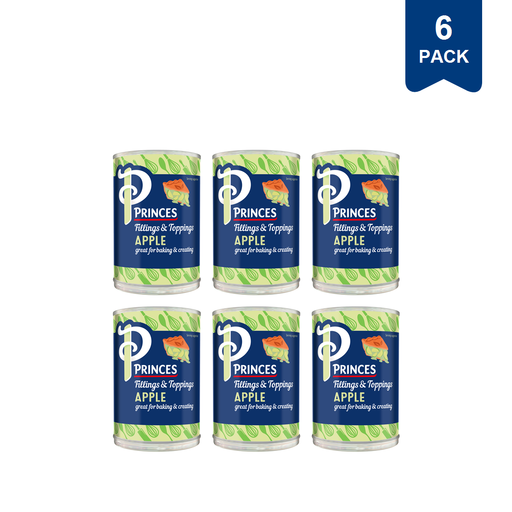
Why This Fits Their Persona: A six-pack suits frequent home bakers, dessert makers and households that regularly prepare pies, crumbles or cakes.
It is clearly positioned as a filling, with apple pieces and modified maize starch listed, so buyers can match it to recipes requiring a thicker texture.
395g tins; UK country of origin listed; unopened packs store in a cool, dry place.
We have compiled a complete, real-time list of products that fully satisfy these strict selection criteria and UK safety regulations.
For freezer-based meal planning, Morrisons Summer Fruits contains strawberries, redcurrants, raspberries, blueberries and blackberries. It can be used in porridge, smoothies, crumbles and sauces, but needs freezer space and defrosting.
For larger-batch drinks and desserts, Laila Alphonso Mango Pulp is supplied as six 850g cans. For a distinctive dessert ingredient, Happy Musang King Durian Fruit Pulp is frozen and should be thawed only in the refrigerator. Canned pineapple, such as Princes Pineapple Chunks With Juice 432g, is suited to fruit salads, yoghurt and cooking.
Fruit snacks are a separate category: chewy sweets may contain fruit juice but are still confectionery. Check the sugar and carbohydrate values rather than assuming “fruit” means fresh or unsweetened.
Canned peaches can provide a convenient fruit option, but the nutritional profile depends on the liquid used and processing. Compare peaches in juice with products in syrup, check the label and consider drained weight. They are particularly useful when fresh peaches are out of season or when consistent portions are needed.
Follow the product label. The supplied Del Monte peach information advises transferring unused fruit to a non-metallic container, covering it, refrigerating it and using it within 3–4 days. Other products, including canned pineapple, advise use within two days. Do not store opened fruit in the opened can unless the label specifically permits it.
Yes, fruit conserve can be spread between cake layers, added to pastries or used as a glaze. However, it is usually sweeter and softer than a dedicated fruit filling. For pies, crumbles and other recipes requiring pieces and structure, apple fruit filling or canned fruit may be easier to portion and control.