Families packing a child’s holiday lunch
If a smoothie is going in the lunch, allow for any juice or smoothie the child has elsewhere that day. The NHS recommends a combined daily limit of 150ml and says to keep these drinks to mealtimes.


For a school-holiday lunch, a fruit smoothie is an optional mealtime drink, not a replacement for lunch or an unrestricted drink: the NHS recommends no more than 150ml of fruit juice and smoothies combined per day for children and adults. Water with whole fruit is another lunch option; if choosing a no-added-sugar or sugar-free fruit-flavoured drink instead, check its ingredients rather than treating it as the same product as a smoothie.
The useful choice depends on whether you need a measured smoothie serving, a different drink for lunch, or ingredients to blend at home.
If a smoothie is going in the lunch, allow for any juice or smoothie the child has elsewhere that day. The NHS recommends a combined daily limit of 150ml and says to keep these drinks to mealtimes.
A smoothie labelled ‘no added sugar’ can still contain sugars from fruit. A sugar-free fruit-flavoured water drink is a different product, so compare ingredients and nutrition information as well as the claim on the front.
Preparing a smoothie lets you choose its ingredients and pour the amount served. It does not change the NHS combined daily guidance for fruit juice and smoothies.
Choose the type of drink first, then check the portion and label details that matter for the lunch you are packing.
| Priority | What to check | Your needs |
|---|---|---|
| Smoothie portion | Check the stated serving size and measure what goes into the cup. The NHS recommends no more than 150ml of fruit juice and smoothies combined per day, at mealtimes. | I want to pack a smoothie without treating a whole bottle as one child-sized serving. I also need to account for juice or smoothies served earlier that day. |
| Sugar wording | Read the exact claim, ingredients and sugars figure on the nutrition panel. Tesco lists 15g sugars per 150ml serving for its Innocent Mangoes, Passion Fruits & Apples smoothie, despite its ‘never added sugar’ wording. | If I am looking for a different kind of drink, I need to distinguish a no-added-sugar smoothie from a sugar-free fruit-flavoured drink, which may contain sweeteners. |
| The rest of lunch | Consider the foods packed alongside the drink. The NHS Eatwell Guide describes a balance of food groups over a day or week, rather than relying on one drink as a meal. | A smoothie could accompany lunch, but I still need to pack food for the meal. Water and whole fruit are options when I do not want to use the day’s smoothie-and-juice allowance. |
| Preparation and storage | Check whether the product needs chilling, freezer space or blending. Read storage directions and the full allergen statement for the exact product. | For a packed lunch, I need a drink I can store as directed. If I blend a frozen mix at home, I also need the equipment and time to prepare it. |
Tesco’s 750ml Innocent smoothie states that 150ml is one serving. The NHS recommends a maximum of 150ml a day from fruit juice and smoothies combined, not 150ml of each.
Pour a measured amount for lunch and check whether the child has already had either drink that day. Store the remainder according to the bottle’s instructions.
Tesco lists 15g sugars per 150ml serving for its Innocent smoothie labelled ‘never added sugar’. The wording does not mean that the drink contains no sugars.
Compare the nutrition panel and ingredients. If you want a different type of drink, assess sugar-free or no-added-sugar fruit-flavoured drinks separately rather than assuming they are smoothies.
A drink alone does not represent the range of food groups described in the NHS Eatwell Guide.
If you pack a measured smoothie serving, include other lunch foods too, such as a starchy food, a protein food and fruit or vegetables.
Marks & Spencer says its ready-made Mango, Pineapple and Passion Fruit Smoothie needs refrigeration and should be used within four days of opening. Its Green Smoothie Mix contains oat beta-glucan with gluten.
Follow the exact product’s storage and preparation directions, and check its full allergen statement before packing or blending it.
These examples illustrate label and format differences; a brand name alone does not tell you the serving size, ingredients or sugars in a particular drink.
Tesco lists Innocent Mangoes, Passion Fruits & Apples as a 750ml smoothie and states a 150ml serving.
Marks & Spencer lists both a ready-made Mango, Pineapple and Passion Fruit Smoothie and a frozen Green Smoothie Mix for preparation at home.
Tesco lists branded smoothies as well as no-added-sugar juice drinks in its reduced-sugar juice-and-smoothies category.
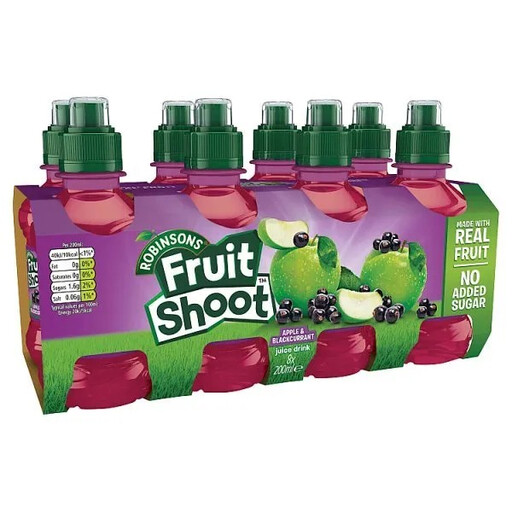
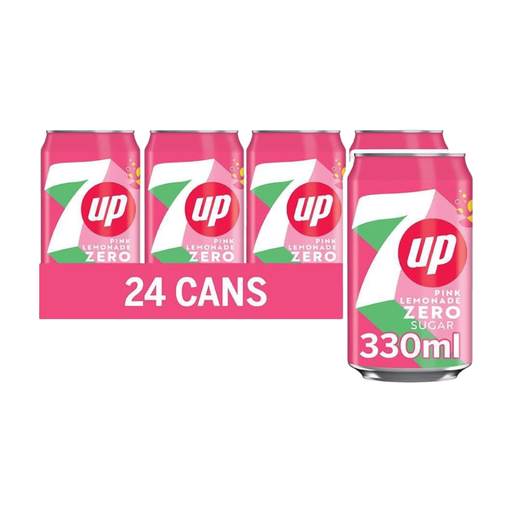
These Joybuy options are fruit-flavoured alternatives to a smoothie for lunch-drink shopping. Neither is a fruit smoothie or a substitute for whole fruit; check the exact pack if you are buying for a child.
 No image available
This fruit drink is an individually bottled alternative when you are not packing a smoothie. The pack contains eight 200ml bottles; ‘no added sugar’ does not mean sugar-free. Check the label for sugars, sweeteners and the warning about caps for children under 36 months.
 No image available
This is a fizzy soft drink option, not a smoothie or a fruit serving. The pack contains 24 cans of 330ml. It contains sweeteners, including aspartame, and the product information states that it contains a source of phenylalanine; check the full label and whether it suits the child before buying.
A smoothie can be part of lunch if the child’s fruit juice and smoothies together stay within the NHS recommendation of no more than 150ml a day. The NHS says to keep these drinks to mealtimes, so count any served earlier or later that day.
No. Fruit-based smoothies can still contain sugars: Tesco lists 15g sugars per 150ml serving for its Innocent Mangoes, Passion Fruits & Apples smoothie, which carries ‘never added sugar’ wording. Read the sugars figure as well as the front-of-pack claim.
No. A fruit-flavoured drink may be water-based and contain sweeteners; Sainsbury’s describes its listed Fruit Shoot Hydro as a sugar-free still-water drink with sweeteners. Check the ingredients if you want blended fruit rather than a flavoured drink.
No. Home preparation lets you choose ingredients and measure the finished drink, but a fruit smoothie still counts towards the NHS recommendation of no more than 150ml of fruit juice and smoothies combined per day.