Organisers serving guests with different drink preferences
You want a fruit-based refreshment without assuming that ‘no added sugar’ meets a request for zero sugar. Plan a separate drink choice and check each pack before putting it out.


Choose fruit smoothies when guests want a fruit-based drink and you can serve a small portion with food and keep the bottles chilled. Offer a separate drink labelled zero sugar for anyone who specifically needs that option: a smoothie marked ‘no added sugar’ can still contain sugars from fruit. Check the delivered packs for sugars, ingredients and allergens before serving.
You want a fruit-based refreshment without assuming that ‘no added sugar’ meets a request for zero sugar. Plan a separate drink choice and check each pack before putting it out.
Some named smoothie recipes carry vegan declarations, but that does not establish the ingredients or allergen information for every flavour. Check the exact bottles delivered for the meeting.
A 750ml bottle can fill five 150ml servings. That portion size follows NHS advice to limit fruit juice and smoothies to one small glass a day and have them with a meal; you will also need a way to keep the bottle chilled.
Decide whether everyone wants a smoothie or whether some guests need a separate zero-sugar drink. Then plan portions, check dietary information and arrange chilled storage for the smoothies.
| Priority | What to check | Your needs |
|---|---|---|
| Sugar wording | Read sugars per 100ml on each drink. ‘No added sugar’ describes what has been added; it does not say the finished smoothie contains no sugars. Tesco lists 8.8g sugars per 100ml for Naked Green Machine. | If someone asks for zero sugar, I need a separately labelled drink rather than relying on the smoothie’s ‘no added sugar’ wording. |
| Serving size | Plan 150ml cups if following NHS guidance to limit fruit juice and smoothies to one small glass a day, with a meal. Five 150ml servings use a 750ml bottle. | For a small meeting, I want to know how many servings to prepare without treating a shared bottle as one person’s portion. |
| Ingredients and allergens | Check the delivered pack’s ingredient list, allergen information and any vegan declaration. Check each flavour separately; retailer descriptions may not reflect a changed recipe. | I need to identify which drinks suit colleagues’ stated dietary requirements before serving them. |
| Chilled service | Read the bottle’s refrigeration and post-opening instructions. Make room to keep smoothies chilled before and during service. | I need a serving plan that works with the bottle’s storage instructions, not just a convenient pack size. |
Fruit can contribute sugars even when none have been added. Waitrose describes an Innocent smoothie as containing naturally occurring sugars, while Tesco lists 8.8g sugars per 100ml for Naked Green Machine.
Describe the smoothie using its actual label wording and offer a separate zero-sugar-labelled drink when a guest requests one.
A shared bottle needs a portioning plan. The NHS advises limiting fruit juice and smoothies to one small 150ml glass a day and having them with a meal.
Use 150ml cups when following that guidance; a 750ml bottle provides five such servings.
A vegan declaration or ingredient list for one recipe does not establish the details of every bottle. The Food Standards Agency emphasises the importance of allergen information on packaging.
Check each delivered flavour’s label and keep the packaging available while drinks are served.
The cited smoothie product information specifies refrigerated storage; a sealed bottle is not a reason to disregard its instructions.
Arrange chilled space before the meeting and follow each bottle’s storage and post-opening directions.
These examples help you read labels for particular smoothies; they do not indicate which products are available from Joybuy.
Waitrose lists Innocent fruit and fruit-and-vegetable smoothies in 750ml bottles.
Tesco lists Naked Green Machine as a 750ml fruit-and-vegetable smoothie.
M&S lists ready-made smoothies in 350ml and 750ml bottles.
Tesco’s Naked Green Machine listing provides product-specific nutrition and dietary information.
Waitrose lists several Innocent 750ml smoothies, including fruit and super-smoothie recipes.
These Joybuy options are canned soft drinks for guests who want a separately labelled zero-sugar choice. They are not fruit smoothies; check each delivered can’s nutrition and ingredient information against guests’ requirements.
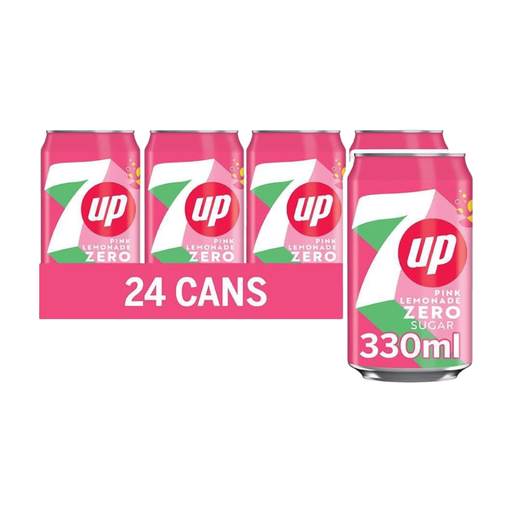 No image available
A separate fizzy-drink option for guests requesting zero sugar, rather than a smoothie. The pack contains 24 × 330ml drinks; check the delivered cans’ nutrition and ingredients, including the phenylalanine notice, before serving.
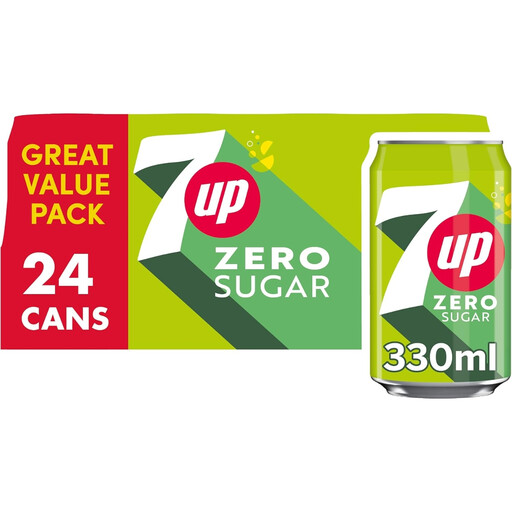 No image available
A canned alternative to set beside fruit smoothies for guests requesting zero sugar. The pack contains 24 × 330ml cans; check the delivered cans’ nutrition, ingredients and phenylalanine notice against attendees’ needs.
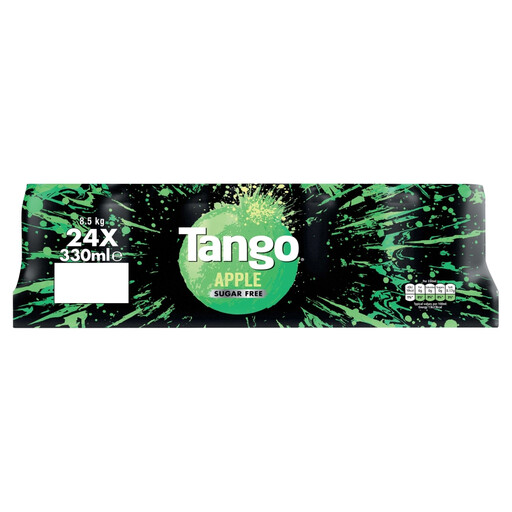 No image available
An apple-flavoured canned soft drink to offer separately from smoothies when zero sugar is requested. The pack contains 24 × 330ml cans; check the delivered cans’ sugar figure, sweeteners and allergen information.
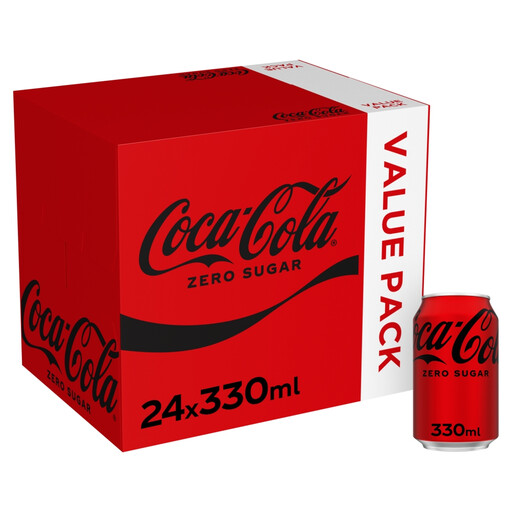 No image available
A cola option to serve alongside, not in place of, fruit smoothies for guests requesting zero sugar. The pack contains 24 × 330ml drinks; its product information identifies caffeine and a source of phenylalanine, so check the delivered cans.
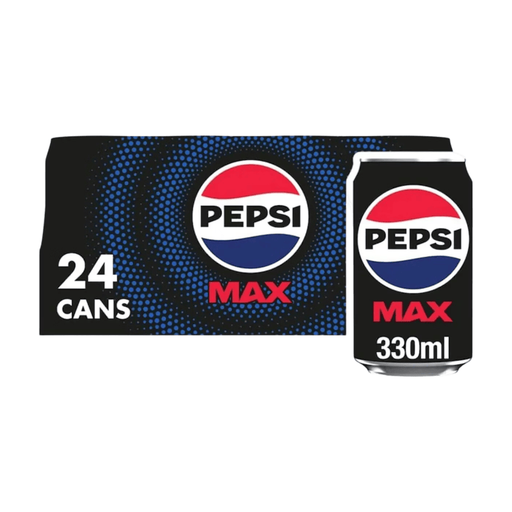 No image available
A cola choice to place alongside smoothies when guests request zero sugar. The pack contains 24 × 330ml drinks; its product information identifies caffeine and a source of phenylalanine. Check the delivered cans for dietary suitability rather than assuming a vegan declaration.
No. Fruit can contribute sugars to a smoothie without sugar being added. For example, Tesco lists 8.8g sugars per 100ml for Naked Green Machine, while Waitrose describes an Innocent recipe as containing naturally occurring sugars. Read the nutrition panel when choosing for someone who requests zero sugar.
A 150ml serving follows NHS advice to limit fruit juice and smoothies to one small glass a day and have them with a meal. At that size, a 750ml bottle supplies five servings; offer another drink choice for guests who do not want a smoothie.
Follow the exact bottle’s storage instructions: the cited smoothie product information specifies refrigeration. Keep bottles chilled before service and check the pack for directions after opening.
Check each delivered drink’s ingredient list, allergen information and relevant dietary declaration before serving it. Keep the packaging available so guests can read it themselves; a declaration for one flavour should not be applied to another.