Hosts serving guests with different dietary needs
Offer drinks with clear ingredient and dietary labels, and check each exact product rather than assuming one smoothie will suit everyone.


Choose a no-added-sugar fruit smoothie for guests who want a smoothie and can have its naturally occurring sugars; the claim does not mean zero sugar. A frozen mix gives you control over what you add but still needs its ingredients checked. If zero sugar is essential, choose a drink whose nutrition panel confirms it instead, and plan smoothie servings around the NHS guidance of no more than 150ml of fruit juice and smoothies combined per day.
Offer drinks with clear ingredient and dietary labels, and check each exact product rather than assuming one smoothie will suit everyone.
A no-added-sugar label may meet your preference, but it does not establish that a smoothie contains zero sugars. Check the nutrition panel if the distinction matters.
Smaller packs can make portions easier to plan. Waitrose lists an Innocent children’s smoothie in a 150ml pouch; the NHS guidance is for no more than 150ml of fruit juice and smoothies combined per day.
Choose when: You want to pour a fruit smoothie without blending on the day.
Bear in mind: No added sugar does not mean zero sugar, and a full bottle may be larger than the portion you intend to serve.
Choose when: You want to decide what liquid and other ingredients go into each batch.
Bear in mind: You need frozen storage and a blender; check both the mix and anything you add for guests’ dietary requirements.
Choose when: Zero sugar is essential and a fruit smoothie’s no-added-sugar label is not enough.
Bear in mind: Check the alternative drink’s current nutrition panel and ingredients; it will not be a fruit smoothie.
| Priority | What to check | Your needs |
|---|---|---|
| Sugars | Compare the no-added-sugar claim with sugars per 100ml and per intended serving. For a strict zero-sugar requirement, check the total sugars declaration on the exact drink. | I can accept sugars naturally present in fruit, or I need a drink that meets a strict zero-sugar requirement. |
| Portions | Check bottle or pouch volume and how you will serve it. The NHS advises no more than 150ml of fruit juice and smoothies combined per day. | I want guests to be able to take a measured smoothie serving rather than assume a large bottle is one portion. |
| Ingredients | Read the current ingredient and allergen statements for each variant. Check any dietary label against the exact product, including additions used in homemade smoothies. | Some guests may need a vegan-labelled option or need to avoid a particular ingredient. |
| Preparation | Check chilled or frozen storage instructions, space available and directions after opening. A frozen mix also requires blending. | I need drinks I can store and serve with the fridge, freezer space and equipment available on the night. |
Fruit smoothies can contain sugars naturally present in their ingredients. Tesco Groceries lists 8.1g sugars per 100ml for its no-added-sugar Mockingbird Raw Greens smoothie.
For a strict zero-sugar requirement, check the total sugars declaration rather than relying on the front-of-pack claim.
A 250ml bottle, if drunk in full, exceeds the NHS guidance of no more than 150ml of fruit juice and smoothies combined per day.
Plan smaller servings and offer water or other drinks alongside smoothies.
Other ingredients matter too: Marks & Spencer lists oat beta-glucan containing gluten in its Green Smoothie Mix.
Check the ingredient and allergen information on the exact pack, including anything you plan to blend into it.
Chilled drinks need appropriate fridge space, while a frozen mix needs freezer space and a blender.
Check each pack’s storage and after-opening directions against your plans for the party.
Ready-to-drink fruit smoothies, including a 150ml children’s pouch listed by Waitrose.
A ready-to-drink smoothie option; Tesco Groceries lists Fire Machine in a 750ml bottle.
Marks & Spencer lists ready-made smoothies as well as a Green Smoothie Mix for making drinks at home.
A retailer listing smoothies alongside other juice and drink options.
A retailer listing Innocent children’s fruit smoothies in 150ml pouches.
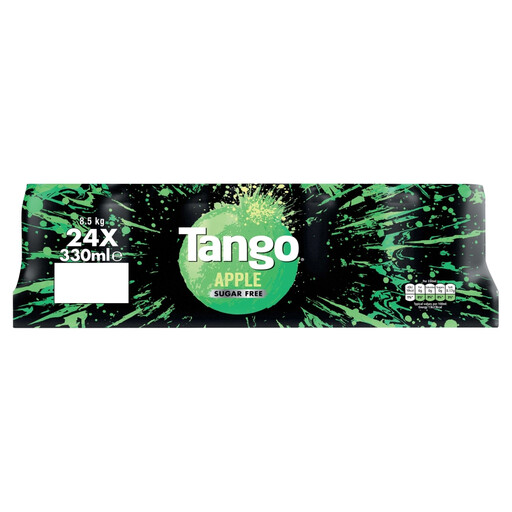
These are non-smoothie drinks to consider when a guest wants a sugar-free-labelled alternative to fruit smoothies. Check the current nutrition panel if zero sugar is essential.
 No image available
A fizzy drink rather than a fruit smoothie, supplied as 24 individual 330ml cans. It contains sweeteners; check the current nutrition and ingredient information for guests with strict requirements.
 No image available
A pineapple-flavoured aloe vera drink, not a fruit smoothie; its gel pieces give it a different texture. Check the current sugars declaration for a strict zero-sugar requirement and the label if vegan suitability matters.
No. A no-added-sugar smoothie can still contain sugars from fruit. Check total sugars on the current nutrition panel if zero sugar is essential; Tesco Groceries, for example, lists sugars for a smoothie it labels no added sugar.
Use the NHS guidance of no more than 150ml of fruit juice and smoothies combined per day when planning servings. Smaller glasses can help you serve that amount, with other drinks available alongside.
No. Check the exact product’s dietary, ingredient and allergen statements. For example, Marks & Spencer lists oat beta-glucan containing gluten in its Green Smoothie Mix.
Follow each pack’s chilled or frozen storage instructions and its directions after opening. If you choose a frozen mix, also allow for freezer space and blending before serving.