Choose a fruit smoothie if you want a fruit-based drink and can pour a 150ml serving to have with a meal, in line with NHS guidance. If avoiding sugar in your drink is the priority, choose a sugar-free or zero-sugar drink instead: the NHS says sugars naturally present in smoothies count as free sugars, even when no sugar has been added.
Who is this choice for?
Shoppers choosing a drink for a film
If you want a fruit smoothie, decide whether you will pour a small serving rather than drink from a large bottle throughout the film. If sugar in the drink is your deciding concern, a sugar-free or zero-sugar alternative is a different choice.
Shoppers checking no-added-sugar claims
That wording does not mean zero sugar. The NHS counts sugars naturally present in smoothies as free sugars, so check the nutrition panel for the drink you plan to buy.
Households sharing a smoothie bottle
A 750ml bottle can be divided into five 150ml servings. Check the pack’s refrigeration and after-opening instructions if you plan to keep some for another day.
What should you check?
A measured fruit smoothie
Choose it when: You want a fruit-based drink and can pour 150ml to have with a meal, as the NHS advises for fruit juice and smoothies.
Bear in mind: Naturally occurring sugars in smoothies still count as free sugars; a large bottle is more than one serving.
A sugar-free or zero-sugar drink
Choose it when: Avoiding sugar in the drink matters more to you than having a fruit smoothie.
Bear in mind: It is a different kind of drink, not a fruit-purée smoothie; check the exact product’s sugar figure and ingredients.
Once you have chosen the type of drink, compare the serving and label figures on the same basis.
| Priority |
What to check |
Your needs |
| Sugar wording |
Read the sugars figure in the nutrition panel, then distinguish “no added sugar” from “zero sugar”. The NHS says sugars naturally present in smoothies count as free sugars. |
If I want to avoid sugar in my drink, I need a sugar-free or zero-sugar option rather than assuming a no-added-sugar smoothie meets that requirement. |
| Serving size |
Check the bottle volume and measure 150ml. The NHS advises a combined maximum of 150ml of fruit juice and smoothies a day, taken with a meal. |
A large bottle is convenient to share, but I would pour a small glass rather than treat the whole bottle as one movie-night serving. |
| Comparable figures |
Compare sugars on the same 150ml basis; check energy and fibre separately. The checked Sainsbury’s Strawberry & Banana, Tesco Mango Passion Fruit and Waitrose Pineapple, Banana & Coconut listings state 12.8g, 16.5g and 17g sugars per 150ml respectively. |
I want to compare the particular flavours I might buy, not assume that one figure represents every smoothie from a retailer. |
| Ingredients and storage |
Check the exact pack for dietary suitability, ingredients, refrigeration and when to finish it after opening. |
If I am sharing the bottle or keeping some for later, the pack’s storage instructions matter as much as the bottle size. |
What is easy to overlook?
-
Reading “no added sugar” as “zero sugar”
A smoothie can have no added sugar and still contain free sugars from fruit and juice, as the NHS explains.
If zero sugar is your requirement, check the nutrition panel and consider a sugar-free or zero-sugar drink instead.
-
Treating a 750ml bottle as one serving
A 750ml bottle holds five 150ml servings. The NHS advises limiting fruit juice and smoothies to 150ml combined per day and having them with a meal.
Pour a measured glass and refrigerate the remainder according to the pack instructions.
-
Comparing figures for different quantities
A per-100ml sugar figure cannot be compared directly with another smoothie’s per-150ml figure.
Use the same quantity for each drink, then consider sugars, energy and fibre as separate figures.
-
Choosing by flavour name alone
A flavour name does not tell you everything about the ingredients or whether the drink suits a particular dietary requirement.
Check the label on the bottle you buy, especially if an ingredient or allergen matters to you.
Which brand ranges are relevant?
These are references for comparing named UK smoothie listings, not claims about every drink in each range.
Innocent
The checked Strawberries, Bananas & Apples listing describes a fruit smoothie with no added sugar and a 150ml serving.
- The Waitrose & Partners listing states that a bottle contains five servings.
- “No added sugar” does not mean zero sugar; check the nutrition panel for the exact variant.
Tesco
The checked Tesco Mango Passion Fruit Smoothie is a 750ml own-label option.
- Tesco lists 16.5g sugars and 0.8g fibre per 150ml, and states that this product is suitable for vegans.
- Use those figures for this product, not for other Tesco flavours.
Sainsbury's
The checked Sainsbury's Strawberry & Banana Smoothie is a 750ml own-label drink.
- Sainsbury's lists 12.8g sugars and 1.3g fibre per 150ml, and states that this product is suitable for vegans.
- Its sugars are naturally occurring; the listed figure does not make it a zero-sugar drink.
M&S
M&S describes smoothie options in both 350ml and 750ml bottles.
- Its listed Mango, Pineapple & Passion Fruit Smoothie has 12.9g sugars and 0.7g fibre per 100g.
- Those per-100g figures should not be read as per-150ml figures for comparison with other labels.
Waitrose
The checked Waitrose Pineapple, Banana & Coconut Smoothie is a fruit-based option listed as suitable for vegans.
- The coconut flavour gives shoppers a distinct option to check against other fruit blends.
- Waitrose & Partners lists 17g sugars per 150ml and marks sugar red/high for that serving.
Naked
The checked Naked Blue Machine Super Smoothie listing names added vitamins C, B1, B2, B6 and E.
- The Sainsbury's listing gives a sugars figure of 11g per 100ml for this product.
- Added vitamins do not make the drink zero sugar or change the NHS’s smoothie portion guidance.
Joybuy options for movie night
These options include sugar-free or no-added-sugar drinks as alternatives to a smoothie, plus one small-bottle smoothie. Check the label on each exact product before deciding which fits your drink choice.
 No image available
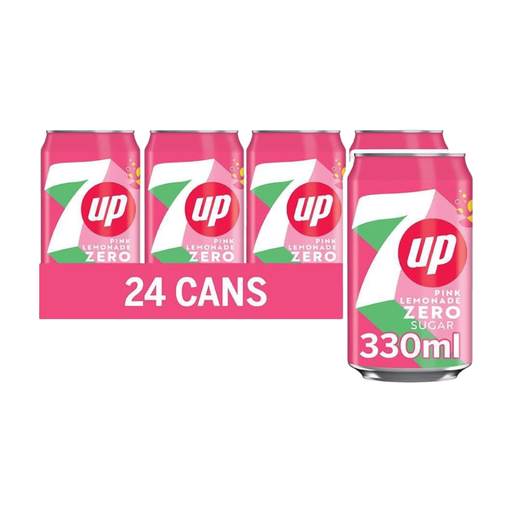
7 Up Lemonade Zero 24 × 330ml
A lemonade multipack to consider if you want a zero-sugar-labelled drink instead of a fruit smoothie. It contains sweeteners; check the exact pack if these matter to you.
View on Joybuy
 No image available
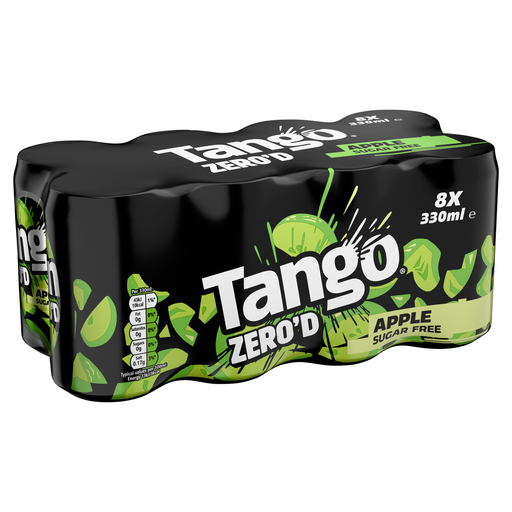
Tango Sugar Free Apple 8 × 330ml
An apple-flavoured, sugar-free-labelled drink in individual cans for sharing during a film, rather than a fruit smoothie. It contains sweeteners; check the pack’s ingredients and nutrition panel.
View on Joybuy
 No image available
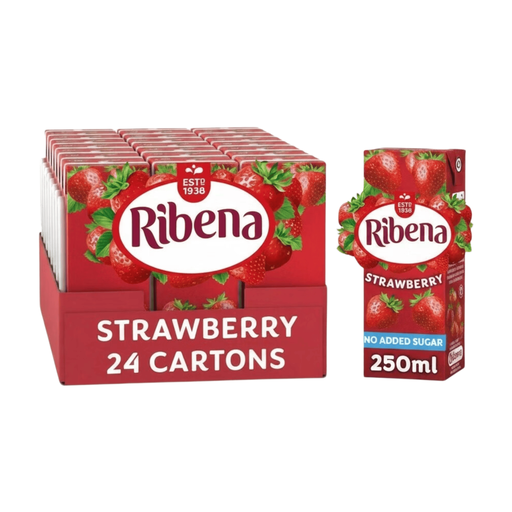
Ribena Strawberry No Added Sugar 24 × 250ml cartons
Individual strawberry-drink cartons offer a non-smoothie option for movie night. “No added sugar” is not the same claim as “zero sugar”, so check the sugars figure and ingredients on the exact pack.
View on Joybuy
 No image available
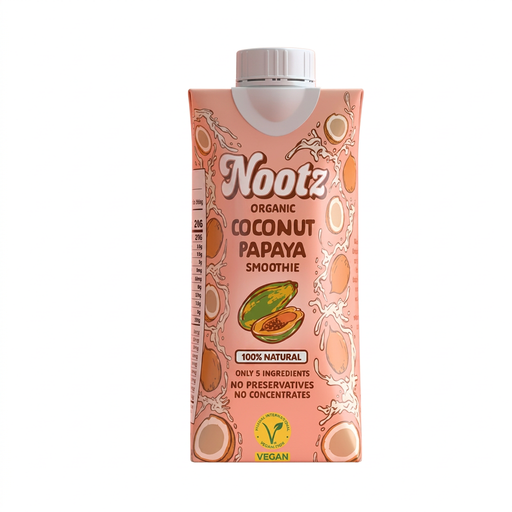
Nootz Coconut Milk Smoothie Papaya 180ml
A coconut-milk-and-papaya smoothie for shoppers who want a smoothie rather than a soft drink. Its 180ml bottle exceeds the NHS’s advised 150ml daily amount for fruit juice and smoothies, so measure a serving and check the pack’s sugars and ingredients.
View on Joybuy
Frequently asked questions
Is a no-added-sugar smoothie a zero-sugar drink?
No. The NHS says sugars naturally present in unsweetened fruit juices and smoothies count as free sugars. “No added sugar” describes what has been added, not a zero-sugar nutrition figure; read the panel for the exact smoothie.
How much smoothie should I pour for movie night?
The NHS advises limiting fruit juice and smoothies to 150ml combined per day and drinking them with a meal. Pour a small glass rather than treating a 750ml bottle as one serving.
Can I buy a vegan fruit smoothie?
Yes, some named products are listed as suitable for vegans: the checked Tesco Mango Passion Fruit, Sainsbury's Strawberry & Banana and Waitrose Pineapple, Banana & Coconut smoothies are examples. Check the label of the exact bottle you buy.
How should I keep smoothie left over after the film?
Refrigerate it and follow the exact bottle’s after-opening instruction. For example, M&S says its listed Mango, Pineapple & Passion Fruit Smoothie should be kept at 0°C to +5°C and finished within four days of opening; other products can have different instructions.


