
24/7 Customer Support

Free returns

Same-day & Next-day Delivery

Quality Guaranteed

Unlock Your Welcome Offers: FREE Delivery | Up to 80% OFF | Free 30-day JoyPlus trial
Download the APP
From chewy fruit sweets that fill a lunchbox to nostalgic hard-boiled classics, the world of fruit-flavoured confectionery is vast and varied. But navigating the brightly coloured aisles, whether online or in-store, can be tricky. Packaging often makes bold claims that don't quite match the contents, leading to disappointing purchases.
As a Joybuy Product Recommendation Officer, my role is to help you see past the marketing jargon. This guide will highlight the common pitfalls to watch for and the key details to check, ensuring you choose fruit sweets that genuinely meet your expectations for flavour, texture and occasion.
Many of us have been caught out by clever marketing. Here are two of the most common traps to be aware of when shopping for fruit flavoured snacks:
To make a more informed choice, focus on these two non-negotiable factors. They provide a much clearer picture of what you are actually buying.
The ingredients on a product label are always listed in order of quantity, from highest to lowest. This is the most reliable way to understand a sweet's composition.
The texture of a sweet—whether it's a soft gummy, a firm chew or a hard candy—is determined by its core ingredients. For chewy and gummy sweets, the gelling agent is particularly important.
By checking these details, you can better match a product to your dietary needs and flavour preferences, whether you're looking for intense tropical sweets or classic gummy sweets.
Instead of a generic list, we've matched specific fruit sweets to different needs and preferences, helping you find the right fit for your household.
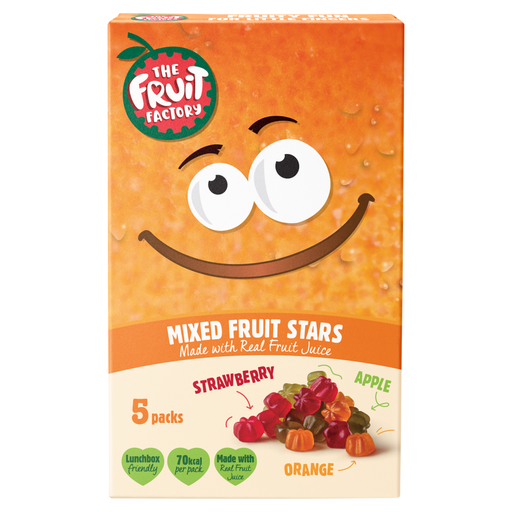
Why This Fits Their Persona: For parents seeking convenient and appealing lunchbox sweets, these portion-controlled packs are ideal. The fun star shapes and fruity flavours are popular with children, and the multi-pack format makes weekly planning simple.
This product uses pectin as its gelling agent, making it suitable for vegetarians and avoiding the hidden gelatine issue. The primary ingredients are fruit juices from concentrate, giving it a more authentic flavour profile than sweets that lead with sugar.
Made with real fruit juice and contains no artificial colours or flavours. The individual 75kcal packs help with portion control.

Why This Fits Their Persona: For those who enjoy trying international treats, this iconic Japanese sweet offers a unique experience. Its texture is distinct from typical British sweets—incredibly soft and chewy without being sticky—and it delivers an intensely juicy grape flavour.
Hi-Chew's appeal lies in its unique texture and authentic flavour, not misleading claims. It uses grape juice concentrate to achieve its signature taste. While it contains gelatine, its reputation as a premium chewy sweet is built on delivering this specific experience well.
Features a signature soft, long-lasting chewy texture. Delivers an intense and authentic grape flavour derived from real fruit juice concentrate.
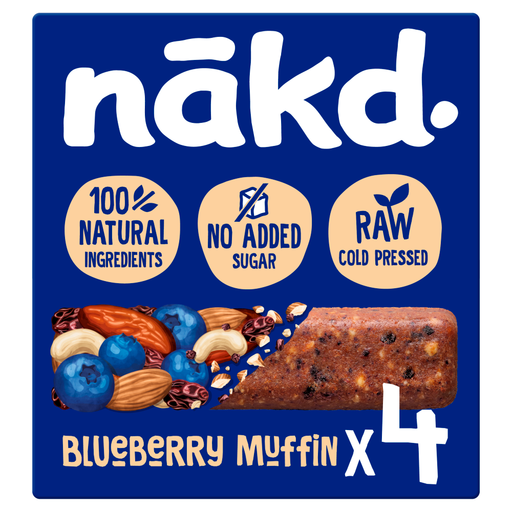
Why This Fits Their Persona: This is an excellent choice for those seeking a fruit flavoured snack with a simple, transparent ingredient list. It's not a traditional sweet but a raw bar made from cold-pressed fruit and nuts, offering natural sweetness without added sugar.
It completely sidesteps the pitfalls of conventional sweets. The ingredient list is short and clear: dates, cashews, raisins, almonds and blueberries. There are no hidden syrups, artificial additives or animal products.
Made with 100% natural ingredients, with no added sugar. It is also gluten-free, dairy-free and vegan-friendly.
We have compiled a complete, real-time list of products that fully satisfy these strict selection criteria and UK safety regulations.
While the inclusion of fruit juice can add flavour, most fruit sweets are still high in sugar and should be considered a treat. The term "healthy" is subjective, but it's more useful to look at the overall nutritional information, particularly the "of which sugars" value per 100g, to make an informed decision about how they fit into a balanced diet. Products like raw fruit bars are generally a more nutrient-dense alternative.
The most reliable method is to look for an official "vegetarian" or "vegan" certification on the packaging. If there isn't one, check the ingredients list carefully. Avoid any product that lists gelatine. Instead, look for plant-based gelling agents like pectin, agar or certain starches and gums.
The main difference lies in their texture and ingredients.