Hosts serving mixed preferences
A selection of flavours lets guests choose their own cup when the host does not yet know which fruit and herbal blends they enjoy.


For a book club whose guests want to avoid caffeine, start with a fruit or herbal infusion explicitly labelled caffeine-free, rather than assuming that any fruit-flavoured tea is decaf. Choose a mixed box if tastes are uncertain, then check each blend’s current ingredients and allergen information; decaffeinated black tea is a different choice for guests who want conventional tea rather than a fruit infusion.
The right pack depends on whether the main concern is caffeine, flavour choice or the ingredients in each cup.
A selection of flavours lets guests choose their own cup when the host does not yet know which fruit and herbal blends they enjoy.
Someone seeking a fruit infusion rather than conventional tea needs to check the exact product’s caffeine statement. Fruit flavour in the name alone does not settle the question.
When a guest has a food allergy or needs to avoid a particular botanical, the current pack matters for every flavour offered, including those in a mixed box.
Decide first whether guests want a fruit infusion or the character of black tea. Then compare the exact packs on caffeine wording, flavour choice and ingredients.
Choose when: Guests want a fruity or botanical drink without conventional tea leaves; check that the exact blend is labelled caffeine-free.
Bear in mind: Flavours and botanicals differ between blends, even within one selection box.
Choose when: Guests would rather have conventional black tea with caffeine removed than a fruit infusion.
Bear in mind: It is a separate product type, not a substitute for fruit-infusion flavour; check its own label and ingredients.
| Priority | What to check | Your needs |
|---|---|---|
| Caffeine status | Read the exact pack’s caffeine statement and ingredients. Twinings distinguishes fruit and herbal infusions without Camellia sinensis leaves from conventional tea; Tesco lists decaffeinated black tea and herbal infusions separately. | I want a fruity evening drink for guests avoiding caffeine, not a black or green tea chosen solely because its name mentions fruit. |
| Flavour choice | Compare the flavours in a selection box with a single-flavour pack. Twinings’ Fruit Discovery Collection contains four fruit-infusion flavours in individually wrapped envelopes; check the contents of any other box separately. | If I do not know what everyone likes, offering a choice is more useful than asking the whole group to drink one berry or citrus blend. |
| Ingredients | Read each blend’s current ingredient list and any precautionary allergen statement. Some listed fruit blends contain liquorice root; the NHS advises avoiding teas containing it during pregnancy. | A guest may need to avoid an ingredient, so I need to check every flavour I plan to serve rather than treating the box as one recipe. |
| Preparation | Check the pack’s water and infusion directions for the chosen blend. The product directions cited by Twinings, Clipper and Tesco give different brewing times. | For a group, I want to prepare each drink as its pack directs instead of assuming that all fruit infusions brew alike. |
A fruit-flavoured tea can be a different drink from a fruit or herbal infusion. The flavour in its name does not tell a guest whether it meets their caffeine-avoidance need.
Check the exact product’s caffeine statement and ingredient list; choose an infusion explicitly labelled caffeine-free when that is the requirement.
Liquorice root appears in some fruit blends. The NHS advises pregnant people to avoid teas containing liquorice root, so a berry flavour is not enough information for that guest.
Read the current ingredients for every flavour, including each option in a selection box, before deciding what to offer.
Berry, citrus and spiced infusions offer different flavour profiles. A single-flavour pack gives guests no alternative if that blend does not appeal.
When preferences are unknown, consider a mixed box or two distinct flavours, while checking the ingredients of both.
Unwanted tea bags may remain if the group does not enjoy the only flavour available.
Tesco cautions that food products can be reformulated. An older listing may not describe the pack being served, particularly where ingredients or allergy information matter.
Read the physical pack’s current ingredients, precautionary allergen wording and preparation instructions before serving.
These examples show different fruit-infusion ranges and retail routes, not a ranking or a list of products carried by Joybuy.
Twinings offers fruit and herbal infusions, including a Fruit Discovery Collection for choosing between flavours.
Clipper offers organic tea and infusion options, including its Organic Berry Burst fruit infusion.
Pukka lists organic fruit and herbal blends, including Wild Apple & Cinnamon and Elderberry & Echinacea.
Teapigs has a caffeine-free tea collection that includes fruit-led options such as strawberry and juniper tea.
Tesco offers an own-label Red Berries hibiscus-and-fruit infusion in a 40-bag pack.
Sainsbury's lists a Lipton Mango Passion fruit-and-herbal infusion; this example is a retailer listing, not a Sainsbury's own-label blend.
These options span a fruit-infusion selection, single-flavour herbal tea bags and a single-cup fruit drink. Check each pack’s caffeine wording and ingredients against the guests you are serving.
 No image available
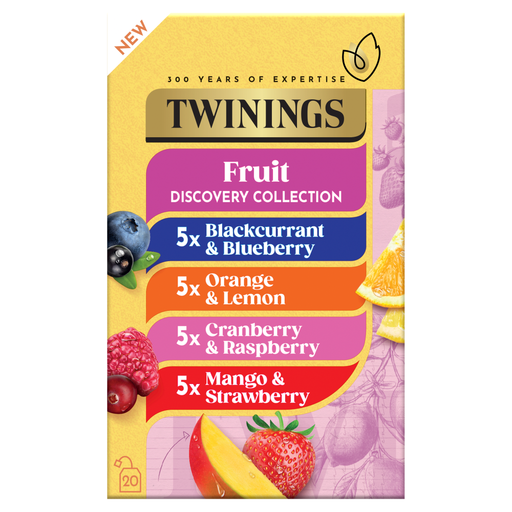
A mixed fruit-infusion option when guests may prefer different flavours. The product information describes the selection as naturally caffeine-free; check each flavour’s ingredients before serving, as the listed selection includes liquorice root in some blends.
No image available
Individual portions suit guests who want a kumquat-and-passion-fruit drink. If caffeine avoidance is essential, check the current pack for an explicit caffeine statement; also follow its preparation directions when serving it hot.
 No image available
A single lemon-and-ginger herbal flavour rather than a mixed fruit selection. Its product information describes it as caffeine-free; check that the flavour suits the group and brew it according to the current pack.
 No image available
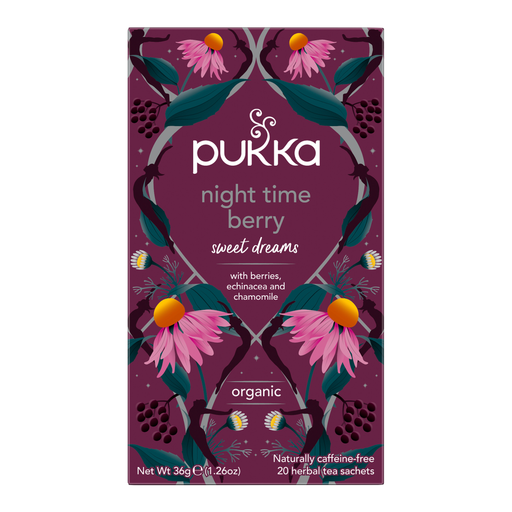
A single berry blend for a group that prefers that flavour. Check the current pack for an explicit caffeine statement if guests need to avoid caffeine; its listed ingredients include liquorice root, which the NHS advises avoiding in tea during pregnancy.
 No image available
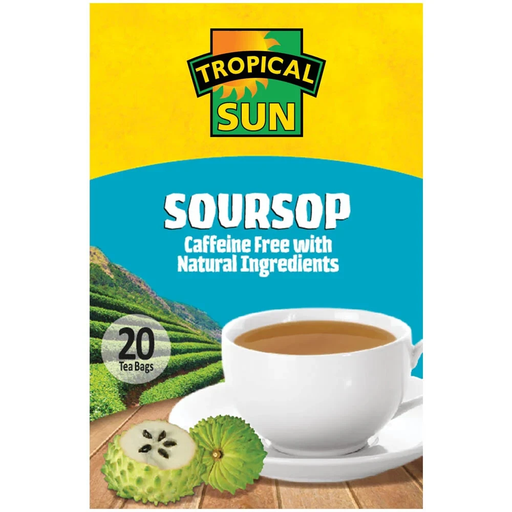
Product information describes this soursop-leaf herbal tea as caffeine-free, with hot and cold preparation options. It is a leaf infusion rather than a fruit-ingredient blend, so check whether that is the drink your guests expect.
No. Twinings describes fruit and herbal infusions without Camellia sinensis tea leaves as naturally caffeine-free, while decaffeinated conventional tea is a separate type of drink. Check the exact pack: “fruit” in a product name does not establish its caffeine status.
A caffeine-free mixed selection gives guests a choice without committing the group to one flavour. Twinings’ Fruit Discovery Collection, for example, contains four flavours in individually wrapped envelopes; check the ingredients of each included blend before serving.
No. The cited pack directions differ: Twinings gives 2–3 minutes for Fruit Discovery, Clipper gives 2–5 minutes for Organic Berry Burst, and Tesco gives 3–5 minutes for Red Berries. Follow the directions on the pack you are serving rather than applying one timing to the whole table.
Check the ingredients of the exact blend. The NHS advises avoiding teas containing liquorice root during pregnancy, and some fruit blends list it; let the guest choose with that information rather than assuming that every flavour in a selection box is alike.
Read the current pack’s ingredients and any precautionary statement such as “may contain”. The Food Standards Agency explains that this wording communicates possible unintended allergen presence, which matters when a guest needs to avoid that allergen.