
24/7 Customer Support

Free returns

Same-day & Next-day Delivery

Quality Guaranteed

Unlock Your Welcome Offers: FREE Delivery | Up to 80% OFF | Free 30-day JoyPlus trial
Download the APP
As the weather warms or the afternoon slump hits, reaching for a refreshing drink is a natural impulse. The fruit tea market has exploded with options, from classic bottled iced tea to exciting Asian fruit drinks. But with so much choice comes confusion. Many promising-looking beverages can be a let-down, tasting more artificial than fruity or packing more sugar than a standard fizzy drink.
This guide is designed to help you navigate the shelves and find a fruit tea that genuinely delivers on flavour and refreshment. We will highlight a few common purchasing pitfalls and explain the key factors to check before you buy.
To avoid disappointment, focus on these three key parameters. They will tell you almost everything you need to know about the quality of a fruit tea.
The foundation of any good fruit tea is, of course, the tea itself. The type of tea used creates the flavour profile.
Check the ingredients list for the percentage of brewed tea or tea extract. A higher percentage generally indicates a more authentic tea flavour that is not overshadowed by sweeteners. This is also relevant for cold brew fruit tea bags, where the quality of the tea leaves is paramount.
This is where many people get caught out. To make an informed choice, always look at the nutritional table on the label.
How you plan to enjoy your drink influences the format you should choose.
We have selected a few products that align with different preferences and lifestyles, helping you sidestep the common pitfalls.

Why This Fits Their Persona: This is for the adventurous drinker looking for more than just a simple iced tea. The combination of peach oolong tea with the fun, bursting texture of popping boba makes it a novel experience, perfect for someone seeking out popular Asian fruit drinks.
It sidesteps the "fruit flavour" illusion by delivering exactly what it promises: a tea drink with a distinct textural element. The ingredients list brewed oolong tea and peach juice, setting clear expectations.
The main advantage is the unique boba tea drink experience in a convenient, ready-to-drink format. The popping boba adds a playful, juicy burst that complements the peach oolong tea base.
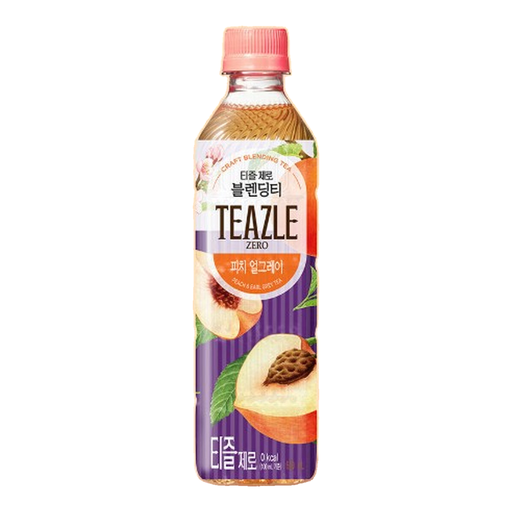
Why This Fits Their Persona: This is ideal for anyone actively looking to reduce their sugar intake without sacrificing flavour. It provides a sophisticated, adult taste profile that feels like a treat, making it a great alternative to sugary soft drinks or juices.
It directly tackles the "hidden sugar" pitfall head-on. By being explicitly zero calorie and sugar-free, it offers complete transparency and peace of mind for the health-conscious consumer.
The elegant fusion of sweet peach with the fragrant bergamot of Earl Grey tea creates a complex flavour not often found in sugar-free drinks. It is a genuinely refreshing, guilt-free option.
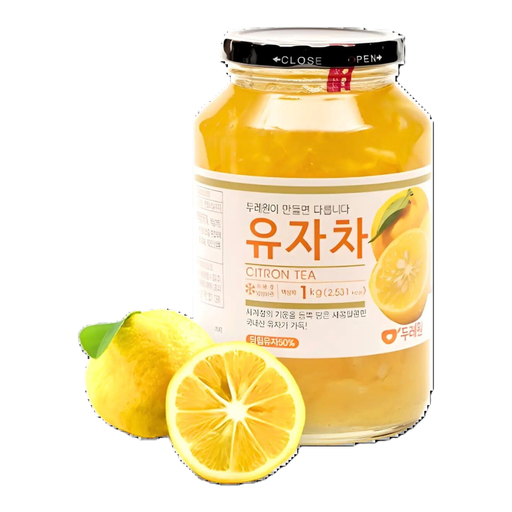
Why This Fits Their Persona: For those who enjoy the process of making their own drink and controlling the flavour, this Korean citron tea concentrate is an excellent choice. It offers an authentic taste and can be enjoyed hot on a cold day or iced for a summer refresher.
This format puts you in complete control, avoiding the pitfalls of pre-mixed drinks. You decide how much concentrate to use, directly managing the sweetness and flavour intensity. It is made with sugared citron, so the ingredients are transparent.
Its versatility is its greatest strength. A single jar can be used to make dozens of drinks, hot or cold. It can also be used as a marmalade on toast or a glaze for cooking, making it a multi-purpose pantry staple.
We have compiled a complete, real-time list of products that fully satisfy these strict selection criteria and UK safety regulations.
1. What is the difference between fruit tea and regular iced tea? Regular iced tea is simply brewed tea that has been chilled. Fruit tea, on the other hand, is a broader category that includes tea infused or blended with fruit elements. This can be through the addition of real fruit juice, purees, concentrates or flavourings to a tea base.
2. How can I find a genuinely low-sugar fruit tea? The most reliable method is to check the "of which sugars" value in the nutritional information table, listed per 100ml. A value below 5g per 100ml is generally considered low. Also, look for products explicitly labelled as "sugar-free" or "zero calorie," as these often use alternative sweeteners.
3. Are bottled fruit teas as good as homemade ones? This depends on your priorities. Bottled, ready-to-drink fruit teas offer unmatched convenience. Homemade versions, whether from tea bags or concentrates, provide complete control over ingredients, strength and sweetness. Concentrates and cold brew tea bags can be a good middle ground, offering a degree of customisation with minimal effort.