Tea-and-biscuits drinkers avoiding caffeine
If a fruity or herbal flavour appeals, look for a product explicitly described as naturally caffeine-free rather than relying on the words “fruit tea” alone.


Choose a fruit infusion explicitly described as naturally caffeine-free if you want a fruity drink with biscuits rather than the taste of conventional tea. A mixed box offers several flavours to try; for a familiar choice, consider a single-flavour pack. Check the ingredients and brewing directions for the exact blend.
A fruit infusion makes sense when avoiding caffeine matters more to you than recreating the flavour of conventional tea.
If a fruity or herbal flavour appeals, look for a product explicitly described as naturally caffeine-free rather than relying on the words “fruit tea” alone.
A mixed box lets several people try different fruit infusions before choosing a single blend for regular tea breaks.
Fruit-infusion recipes vary. Read the ingredients of each blend if a particular fruit, herb, flavouring or liquorice root matters to you.
Start with the type of drink you want, then choose a flavour format and check the exact blend before settling on a pack.
| Priority | What to check | Your needs |
|---|---|---|
| Caffeine status | Look for an explicit naturally caffeine-free statement. Check whether the drink is a fruit or herbal infusion rather than conventional tea with added fruit flavour. | I want a drink without caffeine, and I am happy for it to taste different from black tea. |
| Flavour format | Compare a mixed selection with a single-flavour pack. Twinings describes its Fruit Discovery Collection as containing four fruit infusions. | Several flavours would help us choose a favourite; if I already know what I like, I would rather buy that blend again. |
| Ingredients | Read the list for the exact blend, not just its flavour name. Check for any fruit, herb, flavouring or liquorice root you need to consider. | I need to know what is in the cup, even when two packs are both labelled caffeine-free. |
| Preparation | Follow the pack’s water and brewing directions. Teapigs notes that whole fruits take longer to brew; do not assume one timing suits every infusion. | A straightforward cup matters during a short break, so I want directions that fit the blend I choose. |
Twinings describes fruit tea as an infusion without Camellia sinensis leaves. That is a different drink from conventional tea that has been decaffeinated, so the flavours need not be alike.
If you want a fruity drink, check for an explicit naturally caffeine-free description. If familiar tea-leaf flavour matters more, compare decaffeinated conventional tea separately.
A berry or citrus name does not tell you the full recipe. Ingredients can differ between blends within the same range.
Read the ingredient list for the specific blend, particularly when you need to check for liquorice root or another ingredient.
Formats differ: Teapigs says whole fruits take longer to brew. A timing copied from another infusion may not match the pack you bought.
Use that blend’s directions as your starting point, including its guidance on water and brewing time.
These brand ranges provide useful points of comparison for flavour and format; check the exact product rather than assuming every blend has the same ingredients.
Twinings offers fruit infusions alongside a Fruit Discovery Collection for trying several flavours.
Clipper’s herbal-infusion range includes berry-led options.
Pukka offers caffeine-free herbal options, including an apple-and-spice blend for shoppers who do not want a berry profile.
Teapigs offers a Super Fruit blend for shoppers interested in a fruit-led infusion.
These options include a fruit-tea selection and caffeine-free herbal alternatives for a tea-and-biscuits break. The leaf-based and peppermint infusions are alternatives to fruit-led blends, not interchangeable fruit flavours.
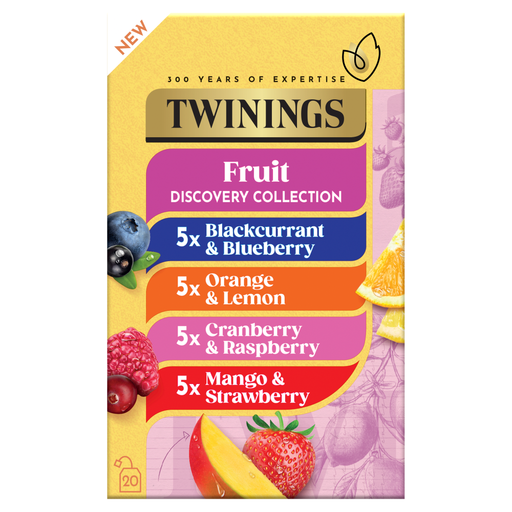 No image available
Consider this selection if you want to try different fruit flavours with biscuits. Check the ingredients of the particular blend you choose, including whether it contains liquorice root, and follow its pack directions for brewing.
 No image available
For a lemon-and-ginger herbal alternative rather than a fruit-only infusion. Check the pack’s caffeine statement, ingredients and brewing directions if those details guide your choice.
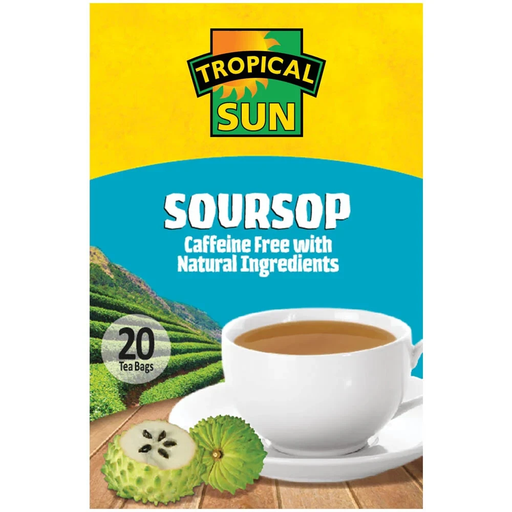 No image available
Consider this if a soursop-leaf herbal drink appeals more than a fruit-piece blend. Its described flavour includes earthy notes; check the pack’s caffeine statement and preparation directions before choosing it for your usual tea break.
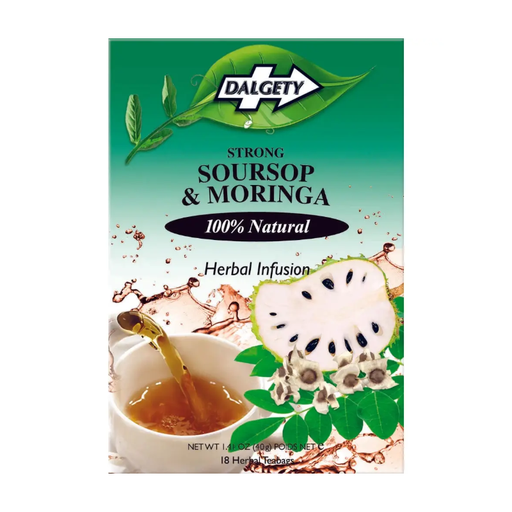 No image available
A leaf-based herbal option if you prefer a floral-and-earthy direction to a fruit-led cup. Check its ingredients and pack directions to make sure the blend and preparation suit you.
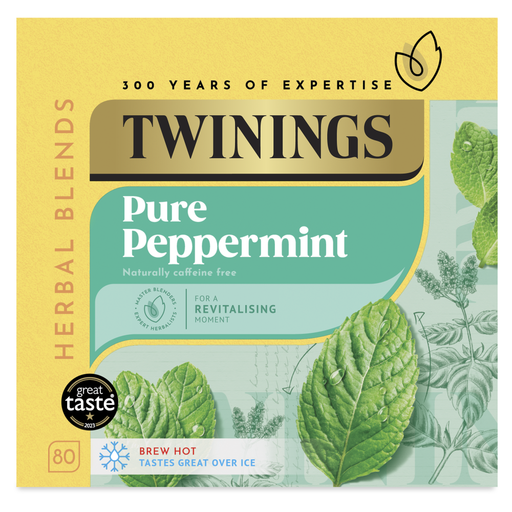 No image available
A peppermint herbal alternative for someone who wants a different flavour alongside biscuits. It is not a fruit blend; check the pack’s caffeine statement and brewing directions if you are choosing it in place of fruit tea.
No. Twinings describes fruit tea as an infusion without Camellia sinensis leaves, whereas decaffeinated conventional tea starts with tea leaves. Check the exact pack for an explicit naturally caffeine-free description rather than assuming the words “fruit tea” establish its caffeine status.
A mixed selection lets you try several flavours before choosing one for repeat drinking. Twinings describes its Fruit Discovery Collection as a box of four fruit infusions; check the individual blend ingredients as well as their flavour names.
No. Follow the directions for the specific blend. Teapigs notes that whole fruits take longer to brew, so the timing for another type of tea bag may not suit a whole-fruit infusion.
Yes, if particular ingredients matter to you. A naturally caffeine-free description concerns caffeine, not whether two blends share a recipe; read the full ingredient list for each flavour, including any herbs or liquorice root.