Organisers offering organic drinks
If you plan to describe a drink as organic, check the claim and certification information for the particular pack you will serve. A brand’s wider range is not evidence for every flavour.


Choose a fruit infusion with an organic claim supported by the exact pack and certification information if you intend to offer organic refreshments; a mixed selection without an organic claim suits a stall where flavour choice matters more. Individually sealed servings can simplify handling, but keep each flavour’s ingredients information available. If supplying drinks amounts to running a food business, check registration and allergen-information duties before the event.
If you plan to describe a drink as organic, check the claim and certification information for the particular pack you will serve. A brand’s wider range is not evidence for every flavour.
Individual envelopes can make it easier to offer a choice without opening a shared pack for every serving. Keep the outer packaging so you can identify each blend’s ingredients.
If you sell or regularly supply drinks, ask your local authority whether the activity is a food business. The Food Standards Agency says businesses may need to register and must meet applicable allergen-information duties.
Decide whether organic status is essential, then choose a serving format that fits the stall and check the information you will need for each flavour.
| Priority | What to check | Your needs |
|---|---|---|
| Organic status | Check the exact pack’s organic claim and certification information. GOV.UK says products and suppliers must meet certification conditions to label food organic. | I plan to advertise organic refreshments, so I need evidence for the blend I will actually serve, not just its brand. |
| Serving format | Check whether servings are individually enclosed, how many the pack contains and whether its brewing instructions fit your hot-water setup. | For a short event, I want a flavour choice I can serve without repeatedly handling loose tea. A large catering carton only makes sense if expected demand warrants it. |
| Ingredients | Read each flavour’s ingredients and retain its packaging. The Food Standards Agency requires food businesses to provide allergen information for applicable prepacked and non-prepacked food and drink. | Visitors may ask about a particular blend, so I need to tell the flavours apart and have their current ingredients information to hand. |
| Product claims | Check caffeine and sugar descriptions against the particular product; do not apply one collection’s statements to other fruit infusions. | If someone asks whether a drink is caffeine-free or sugar-free, I want to answer from that product’s information rather than assume all fruit teas are alike. |
Under GOV.UK’s organic food guidance, an organic label depends on production and certification conditions. A conventional blend does not become organic because its brand sells other organic teas.
Check the claim and certification information for the exact pack before describing the drink as organic to visitors.
Clipper Tea Shop lists its Organic Berry Burst catering product as 250 envelopes. That quantity may be more than a short event will use.
Estimate likely servings before choosing a pack size, and check that your water supply and serving time suit its brewing instructions.
Unused envelopes will need storing after the event.
Blends can contain different herbs and flavourings. For food businesses, the Food Standards Agency requires applicable allergen information; food that qualifies as prepacked for direct sale has additional labelling requirements.
Keep the original packs or current ingredients information for every flavour. If you plan to package drinks or food yourself before sale, check how the rules apply with your local authority.
Twinings describes its Fruit Discovery Collection as naturally caffeine-free and sugar-free. Those statements do not establish the properties of a different blend.
Check each product’s own label when caffeine, sugar or particular ingredients matter to your visitors.
Pukka presents its fruit-tea range as organic. Check the selected flavour’s pack before using that description at the stall.
Clipper lists organic fruit infusions in smaller and catering formats.
Twinings offers a mixed fruit selection for stalls prioritising flavour choice and separate servings.
These options cover an organic-labelled berry-and-herb infusion and a mixed fruit selection for a car boot sale. Check the individual pack before making an organic or ingredient claim to visitors.
 No image available
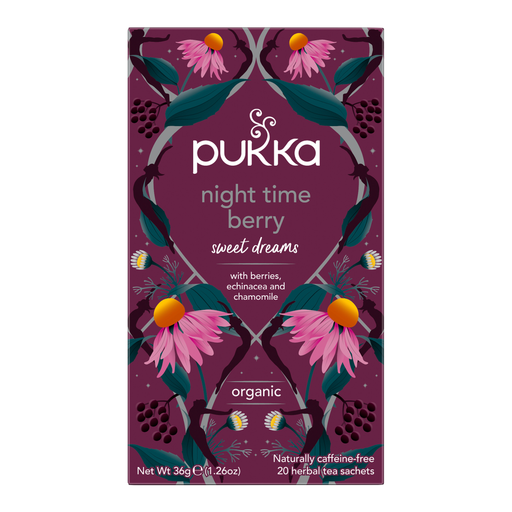
Consider this berry blend if an organic-labelled option is the priority; check the exact pack’s certification information before presenting it as certified organic. The title specifies 20 sachets and 36g. Check the pack for individual wrapping, ingredients and any caffeine or sugar statements needed for serving.
 No image available
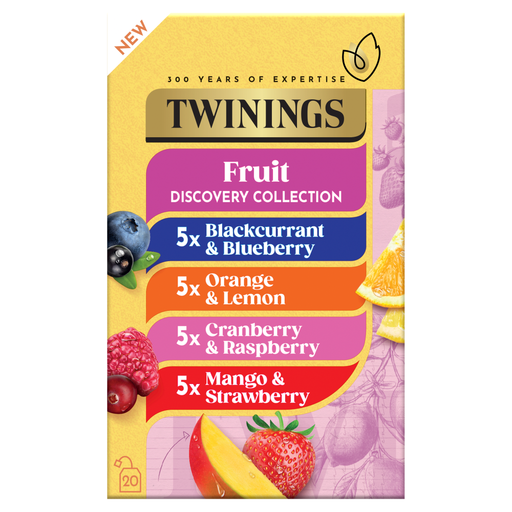
Consider this selection when separate servings and several fruit flavours matter more than an organic claim. It contains 20 tea bags and weighs 40g; Twinings describes the matching collection as four flavours in individually sealed envelopes, naturally caffeine-free and sugar-free. Keep the ingredients information for each flavour available, and do not describe the selection as organic without evidence for its pack.
Check the organic claim and certification information for the exact product, not just its brand or fruit imagery. GOV.UK says food labelled organic must meet organic-production conditions and that the product and suppliers must be certified by an approved organic control body.
Registration depends on whether your activity constitutes a food business; ask the local authority before trading. The Food Standards Agency says selling or supplying food, including at community events, may make you a food business. If registration is required, its registration service says to register at least 28 days before trading; Food Standards Scotland gives the same advance period for food businesses before opening in Scotland.
Keep current ingredients information for every flavour you serve. The Food Standards Agency says food businesses must provide allergen information for applicable prepacked and non-prepacked food and drink. If you produce food that qualifies as prepacked for direct sale, its guidance requires a food name, full ingredients list and emphasised allergenic ingredients on the label.
Do not assume so; check the exact product. Twinings describes its Fruit Discovery Collection as naturally caffeine-free and sugar-free, while Clipper describes its cited Organic Berry Burst infusion as naturally caffeine-free. Those product-specific descriptions do not apply to every fruit tea.