Choose a fruit or herbal infusion clearly labelled naturally caffeine-free when an afternoon-tea guest wants to avoid caffeine, checking the ingredients for caffeine-containing mate or guarana. Decaffeinated black tea keeps the familiar tea-leaf character when reducing caffeine is enough, but it can retain traces. For a guest taking regular medicines, check the specific infusion ingredients rather than assuming a botanical blend is suitable.
Who is each option for?
Guests cutting down on caffeine
A clearly labelled naturally caffeine-free infusion suits someone who wants to avoid caffeine rather than simply reduce it. Decaf black tea is a different choice because traces of caffeine can remain. Twinings makes this distinction between its infusion and decaf ranges.
Guests who prefer a traditional cup of tea
Decaffeinated black tea retains a tea-leaf base for someone who wants a familiar afternoon-tea drink with less caffeine. Check whether its residual caffeine is acceptable to the person drinking it.
Guests taking regular medicines
Fruit and herbal blends need an ingredient check, particularly when they contain botanicals such as liquorice root. NHS guidance cautions that some herbal ingredients can interact with medicines; ask a pharmacist or prescriber about the particular blend if suitability is uncertain.
What should you check before choosing?
Decide whether the guest wants to avoid caffeine or keep the character of black tea, then check the individual drink's ingredients.
| Priority | What to check | Your needs |
|---|
| Caffeine |
Look for a naturally caffeine-free statement on an infusion. Check for mate or guarana, which Twinings identifies as caffeine-containing exceptions. Decaf black tea may retain traces. |
I want to avoid caffeine, not just have less of it. If traces are acceptable, I may prefer decaf black tea. |
| Type of cup |
Check whether the product is a fruit or herbal infusion or decaffeinated black tea. Compare the named ingredients and follow the brewing directions for that blend. |
A fruity or herbal drink would suit the occasion, or I may want the familiar character of black tea. |
| Botanical ingredients |
Read the full list for ingredients such as liquorice root. For someone taking regular medicines, ask a pharmacist or prescriber about the specific blend if needed; NHS guidance cautions that some herbal ingredients can interact with medicines. |
I'm serving someone who takes medicines, so I want to check the blend itself rather than rely on a “natural” label. |
What is easy to overlook?
-
Assuming decaf means no caffeine
Decaffeinated black tea can retain traces, which matters when the aim is to avoid caffeine rather than reduce it.
Choose an infusion explicitly labelled naturally caffeine-free for that aim, and check its ingredients for mate or guarana.
-
Assuming every botanical blend suits someone on medicines
Twinings lists liquorice root in its Strawberry & Raspberry infusion. NHS guidance cautions that some herbal ingredients can interact with medicines, so caffeine-free wording alone does not settle suitability.
Read the ingredients of the exact blend and ask a pharmacist or prescriber when the guest takes regular medicines and suitability is uncertain.
-
Relying only on an online ingredient list
Tesco notes that food formulations and allergen information can change. An earlier listing may therefore differ from the pack being served.
Check the current pack for its caffeine statement, full ingredients and allergen information before serving.
Brand ranges to consider
These brand ranges illustrate the distinction between labelled caffeine-free infusions and decaffeinated black tea; check each product rather than treating a whole range alike.
Twinings
Twinings sells fruit and herbal infusions separately from its decaffeinated tea range.
- Twinings labels its Strawberry & Raspberry infusion naturally caffeine-free and publishes its ingredients.
- That infusion contains liquorice root; its ingredient list matters for a guest taking medicines. Twinings also identifies mate and guarana as caffeine-containing exceptions among infusion ingredients.
Pukka
Pukka has a caffeine-free herbal collection for shoppers considering an infusion rather than decaf black tea.
- Pukka labels Wild Apple & Cinnamon naturally caffeine-free and lists wild apple, cinnamon and ginger among its ingredients.
- Check the botanicals in the particular blend when serving someone taking regular medicines.
Clipper
Clipper Organic Everyday Decaf is a decaffeinated black-tea option for someone who prefers a conventional tea-leaf cup.
- Clipper identifies decaffeinated organically grown black tea as its ingredient and states that it uses carbon dioxide in the decaffeination process.
- Decaffeinated does not mean that every trace of caffeine is absent.
Tesco
Tesco Red Berries is an own-label fruit-infusion example for serving afternoon-tea guests.
- Tesco labels Red Berries naturally caffeine-free and lists 40 infusion bags.
- Tesco advises checking the current pack because ingredients and allergen information can change.
Joybuy options for afternoon tea
These options include fruit and herbal drinks alongside a decaffeinated black tea. Choose between them by the guest's preferred type of cup, then check the current pack for caffeine wording and ingredients.
 No image available
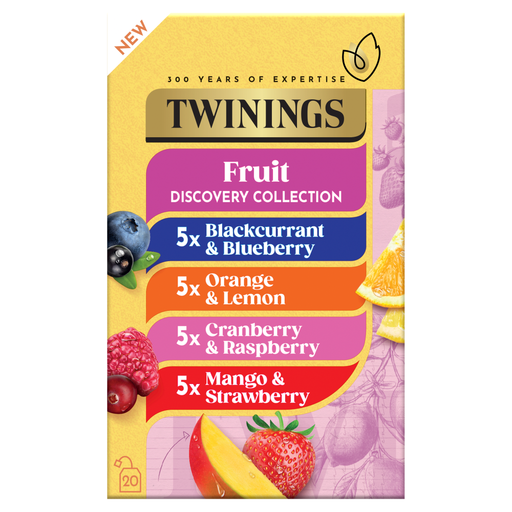
Twinings Fruit Selection, 20 tea bags, 40g
A fruit-infusion selection for guests who prefer a fruity cup. Check the caffeine statement and each blend's ingredients on the current pack, especially when serving someone taking medicines.
View on Joybuy
 No image available
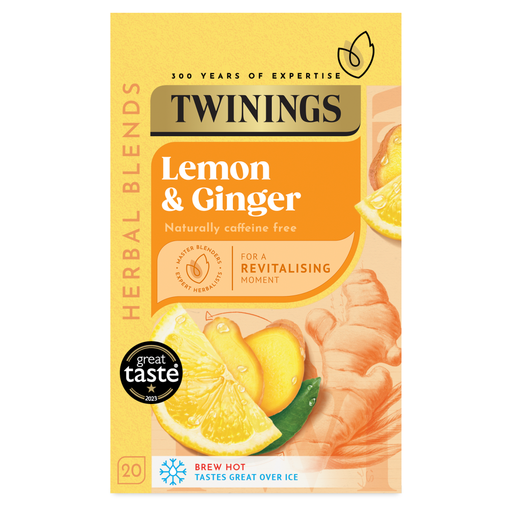
Twinings Lemon & Ginger, 20 tea bags
A lemon-and-ginger alternative to a berry-style cup, in a 20-bag pack. Check the current pack for its caffeine statement and full ingredient list.
View on Joybuy
 No image available
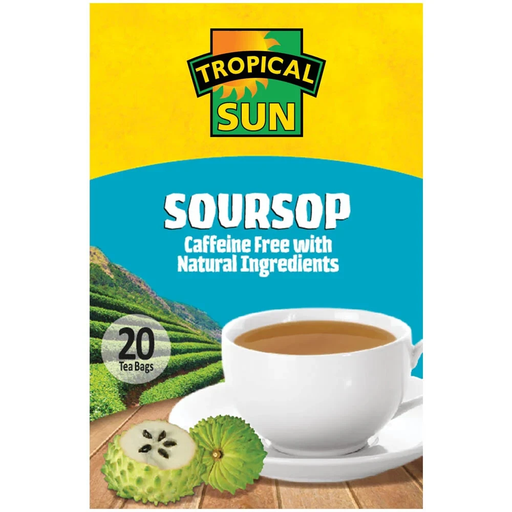
Tropical Sun Soursop Tea, 20 tea bags
A soursop tea option for guests considering something other than a berry blend. Check the current pack's caffeine wording and ingredients, particularly if the guest takes regular medicines.
View on Joybuy
 No image available
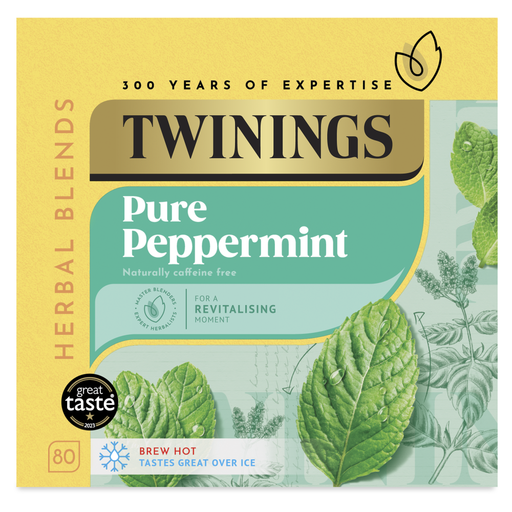
Twinings Pure Peppermint, 80 tea bags
A peppermint option for guests who would rather have a herbal cup than fruit tea. The pack contains 80 tea bags; check its caffeine statement, ingredients and brewing directions before serving.
View on Joybuy
 No image available
Clipper Organic Fairtrade Decaf Everyday, 80 tea bags, 277g
Decaffeinated black tea for someone who wants a familiar tea-leaf cup while reducing caffeine. Clipper states that it uses carbon dioxide to decaffeinate this tea. Traces of caffeine may remain, so check the product information if avoiding them is important.
View on Joybuy
Frequently asked questions
Is fruit tea always caffeine-free?
No. Fruit and herbal infusions are generally naturally caffeine-free, but Twinings identifies mate and guarana as ingredients that naturally contain caffeine. Check the caffeine statement and ingredient list of the blend you intend to serve.
What is the difference between decaf black tea and a fruit infusion?
Decaf black tea is made from tea leaves with most caffeine removed, while a fruit infusion is a different type of drink. Choose decaf for a familiar black-tea cup if residual traces of caffeine are acceptable; choose an infusion clearly labelled naturally caffeine-free when avoiding caffeine is the priority.
Does someone taking medicines need to avoid every herbal tea?
Not automatically. Check the ingredients of the specific blend, including botanicals such as liquorice root, and ask a pharmacist or prescriber if suitability is uncertain. NHS guidance cautions that some herbal ingredients can interact with medicines.
How should I prepare fruit tea for afternoon tea?
Follow the directions on the current pack for the exact blend, including the amount of water and infusion time. Check the ingredients before serving it to guests with allergies or medicine-related concerns.


