Hosts stocking a shared tea tray
A larger pack can serve repeat stays, while individually enclosed bags offer a different way to set out portions. Check the storage instructions for any pack that will remain open between visits.


Stock a fruit or herbal infusion labelled naturally caffeine-free if guests may want a fruity drink without tea leaves; check the ingredients, as blends containing mate or guarana can contain caffeine. Add decaffeinated black or green tea if you also want to offer a traditional cuppa, but keep it distinct from the infusion because decaf tea can retain traces of caffeine. Pack size, storage and access to the current ingredient label matter when several guests share the supply.
The useful mix depends on whether the priority is serving several guests, avoiding caffeine or keeping product information accessible.
A larger pack can serve repeat stays, while individually enclosed bags offer a different way to set out portions. Check the storage instructions for any pack that will remain open between visits.
A fruit or herbal infusion labelled naturally caffeine-free is different from decaffeinated tea, which can retain traces of caffeine. Twinings also identifies mate and guarana as caffeine-containing exceptions in some fruit and herbal blends, so the exact ingredients matter.
Keep the current packaging available so guests can read the ingredients and any declared allergens for the tea actually supplied. Do not rely on a flavour name or an older product listing in place of the packet.
Decide whether the cottage needs a fruit infusion, a traditional decaf tea or both; then choose pack formats that work for the number of guests and stays.
Choose when: You want a fruity or botanical drink without conventional tea leaves and the exact blend is labelled naturally caffeine-free.
Keep in mind: Twinings notes that blends with mate or guarana can contain caffeine, so neither the fruit flavour nor the infusion category settles the question alone.
Choose when: Guests may prefer a traditional tea alongside the fruit option.
Keep in mind: Decaf does not necessarily mean caffeine-free: Twinings states that its English Breakfast Decaffeinated tea contains 0.02% caffeine.
| Priority | What to check | Your needs |
|---|---|---|
| Caffeine status | Read the exact blend’s caffeine claim and full ingredients. Look for mate or guarana in fruit and herbal infusions; keep decaf tea labelled separately. | I want guests to be able to tell a naturally caffeine-free infusion from a decaffeinated tea that may retain caffeine. |
| Pack format | Compare the bag count with expected use across stays. Check whether bags are individually enclosed and follow the opened-pack storage instructions. | Several guests may share the tea tray, but I might also want separate portions rather than one opened box of loose bags. |
| Ingredients | Keep the current packet available for its ingredient list and any allergen declaration. Check the applicable national guidance if you supply tea as a food business. | If a guest asks what is in a blend, I need information for the product I have actually left in the cottage. |
| Drink choice | Read the named ingredients to distinguish berry or hibiscus infusions, fruit-and-spice blends and traditional black or green tea. Check the preparation directions on each pack. | I would like guests to have a choice of flavours without treating a fruit infusion and a conventional cuppa as interchangeable. |
Most fruit and herbal infusions do not contain caffeine, but Twinings identifies mate and guarana as exceptions. A flavour name alone cannot establish the caffeine status of a blend.
Read both the caffeine statement and the complete ingredients on the exact pack.
Decaffeinated black or green tea can still contain traces of caffeine. Twinings states that its English Breakfast Decaffeinated tea contains 0.02% caffeine.
Set decaf tea apart from naturally caffeine-free infusions and leave its packaging available for guests to check.
Formulations can change, and a guest cannot check the supplied blend’s ingredients or declared allergens if its packaging has been removed.
Keep the current labelled pack with the tea. If supplying it as a food business, consult the relevant Food Standards Agency guidance for England, Northern Ireland or Wales, or Food Standards Scotland guidance for Scotland, according to how it is supplied.
Tesco lists 40 bags for its Red Berries infusion, while teapigs lists 15 tea temples for Super Fruit. Those formats serve different stocking plans when multiple guests share a cottage.
Estimate how many cups guests might make between restocks, then decide whether a larger pack, a smaller flavour option or both suit the tea tray.
A smaller pack may need replenishing more often across repeat stays.
These product-line examples illustrate caffeine claims and pack formats to check; they do not establish what is available on Joybuy.
Twinings distinguishes fruit and herbal infusions from its decaffeinated traditional teas.
Tesco Red Berries is an example of a larger fruit-infusion pack for a shared tea tray.
Pukka offers fruit and herbal blends with product-specific caffeine and ingredient descriptions.
Teapigs provides smaller-format fruit and rooibos infusion examples.
Clipper’s Organic Everyday Decaf is a traditional black-tea option, not a fruit infusion.
These options include a fruit-tea selection and herbal alternatives for a cottage tea tray. They are not substitutes for a decaffeinated black or green tea if guests want a traditional cuppa; check each packet’s caffeine statement and ingredients before leaving it for guests.
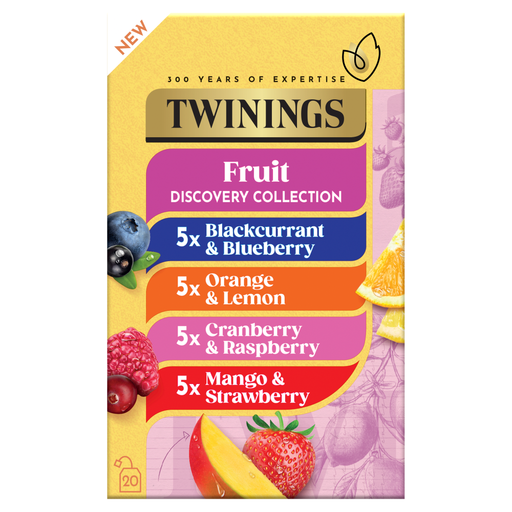 No image available
A fruit selection gives guests an alternative to a single-flavour tea; the box contains 20 bags and is marked 40g. Check the packet for the exact blends, caffeine statement, ingredients and storage directions.
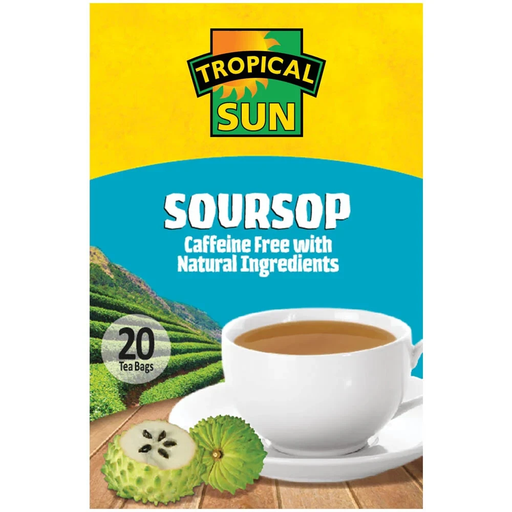 No image available
This 20-bag soursop option is worth distinguishing from a mixed-fruit selection when choosing flavours for guests. Check the exact ingredients and caffeine statement rather than relying on the word “tea”.
 No image available
The 20-pack offers a lemon-and-ginger choice rather than a mixed-fruit blend. Check the packet’s ingredients, caffeine statement and preparation directions before adding it to a self-service tea tray.
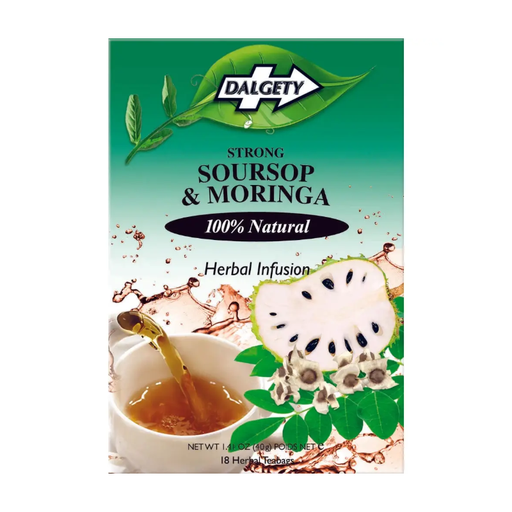 No image available
The named soursop-and-moringa blend is a different choice from a fruit-flavoured selection; the pack is marked 40g. Check the packet for its full ingredients, caffeine statement and portion format if separately wrapped bags matter for the cottage.
No. Twinings says most fruit and herbal infusions do not contain caffeine, but identifies mate and guarana as ingredients that can change that. Check the caffeine statement and ingredient list for the exact blend rather than relying on its fruit flavour.
No. Decaffeinated black or green tea can retain traces of caffeine: Twinings states that its English Breakfast Decaffeinated tea contains 0.02% caffeine. Keep decaf tea distinct from a fruit or herbal infusion labelled naturally caffeine-free so guests can choose between them.
Follow the instructions on the pack you supply. For example, Tesco says to keep its Red Berries infusion in a cool, dry place and use an airtight container after opening; retain the original packaging so guests can still check its ingredients.
Keep the current labelled packaging available so guests can check the exact product’s ingredients and any allergen declaration. If you supply tea as a food business, consult Food Standards Agency allergen guidance for England, Northern Ireland or Wales, or Food Standards Scotland guidance for Scotland; the information requirements depend on how the food or drink is supplied.