Choose a fruit infusion by its exact ingredients and an explicit caffeine-free claim, rather than by its flavour name. If you are breastfeeding, a caffeine-free cup can replace some ordinary tea, but the NHS advises counting caffeine from all foods and drinks. If you are pregnant or might be pregnant, follow NHS advice to avoid teas containing liquorice root and drink no more than four cups of herbal tea a day; for everyday purchases, compare pack size and delivery costs too.
Who should check what?
Breastfeeding parents cutting back on caffeine
An explicitly caffeine-free infusion can replace a cup of ordinary tea without adding caffeine from that drink. The NHS advises breastfeeding parents who consume caffeine to try not to exceed 300mg a day, counting other foods and drinks as well.
Pregnant or potentially pregnant tea drinkers
Check every blend for liquorice root, even when the front of the pack names only fruit. NHS pregnancy guidance advises avoiding teas containing liquorice root and drinking no more than four cups of herbal tea a day.
Households buying tea for an everyday routine
Choose a flavour and pack size that work for your routine, then compare the ingredients, number of bags and final delivery cost. A fruit name or wellness label does not answer those questions.
What matters when choosing a blend?
Start with the exact blend’s caffeine claim and ingredients. Once those fit your circumstances, compare the pack and how you will buy it.
| Priority | What to check | Your needs |
|---|
| Caffeine |
Look for an explicit caffeine-free claim on the exact blend. Check whether its ingredients include green or black tea: Twinings describes its fruit and herbal infusions as free from tea leaves, while Pukka lists green tea among ingredients used across its fruit-tea range. |
I want a hot drink that does not add caffeine from this cup while I keep track of caffeine elsewhere. The NHS advises breastfeeding parents who consume caffeine to try not to exceed 300mg a day. |
| Pregnancy ingredients |
Read the full list for liquorice root, including in berry, lemon and ginger blends. The NHS advises avoiding teas containing liquorice root during pregnancy and drinking no more than four cups of herbal tea a day. |
If I am pregnant or might be pregnant, a fruit flavour alone does not tell me whether a blend fits NHS pregnancy guidance. |
| Other botanicals |
Identify the named herbs and leaves in the individual product. If you take prescribed medicine, discuss herbal products with the healthcare professional responsible for it; Guy’s and St Thomas’ NHS Foundation Trust warns that herbal products can interact with conventional medicines. |
I need to know what is in the cup before making a herbal infusion part of my routine, particularly if I take prescribed medicine. |
| Pack and delivery |
Compare tea-bag count and net weight, then check the basket total and delivery terms for an online order. Compare a mixed pack’s individual blends before buying it for someone with an ingredient restriction. |
For a regularly used drink, I would rather compare the full order with a shop-bought pack than judge a box by its flavour or pack front. |
Common buying mistakes
-
Assuming every fruit tea is caffeine-free
A fruit-tea range can contain blends with different tea bases. Pukka lists green tea among ingredients used across its fruit-tea range, so the category name cannot establish the caffeine status of an individual blend.
If avoiding caffeine from this cup matters, choose an exact product labelled caffeine-free and read its ingredients for tea leaves.
-
Missing liquorice root behind a fruit flavour
Liquorice root appears in some fruit-forward blends, including three flavours in the Joybuy Twinings Fruit Selection listing. The NHS advises avoiding teas containing liquorice root during pregnancy.
If you are pregnant or might be pregnant, check each blend’s ingredient list and follow NHS guidance on herbal-tea intake.
-
Comparing one online box without delivery
Delivery charges and minimum-spend conditions can change the total for a small order.
Check the final basket total before comparing an online box with one available in a shop.
-
Using a wellness label as a medicine check
Guy’s and St Thomas’ NHS Foundation Trust cautions that herbal products can interact with conventional medicines; a natural, organic or caffeine-free description does not resolve that question.
If you take prescribed medicine, take the exact ingredient list to the healthcare professional responsible for it before using a herbal blend regularly.
Brand and retailer references
These ranges illustrate different fruit and herbal choices; check the individual pack rather than applying a range description to every blend.
Twinings
Twinings describes its fruit and herbal infusions as naturally caffeine-free and made without tea leaves from Camellia sinensis.
- Its fruit-infusion range offers an explicit caffeine-free route.
- Some flavours in its Fruit Selection pack list liquorice root, so check each blend if pregnancy is relevant.
Clipper
Clipper describes its herbal infusions, including Berry Burst and Lemon & Ginger, as caffeine-free.
- The named blends provide an explicit caffeine-status check.
- Both named ingredient lists include liquorice root. NHS pregnancy guidance advises avoiding teas containing it.
Pukka
Pukka offers organic fruit teas with fruit- and herb-led blends.
- The range provides several blend types to compare by ingredient.
- Pukka also lists green tea among ingredients used across its fruit-tea range; check the exact blend’s caffeine status.
teapigs
teapigs lists Super Fruit in its herbal-tea range.
- Super Fruit is a named option for shoppers comparing fruit-forward infusions.
- Check the current pack’s ingredients and caffeine statement before choosing it for a pregnancy- or medicine-related restriction.
Tesco
Tesco lists own-label fruit and herbal infusions, including Red Berries in a 40-bag pack.
- Its named pack gives shoppers a bag-count option to compare with smaller boxes.
- Check the individual product’s current ingredients and shelf or basket total.
Sainsbury's
Sainsbury’s lists own-label berry infusions, including Strawberry, Raspberry & Cranberry and Blackberry & Blueberry in 20-bag packs.
- The named packs offer fruit-flavour and bag-count choices.
- Check each product’s current ingredients and allergen information rather than relying on the category listing.
Fruit and herbal infusions on Joybuy
These options include one mixed fruit-infusion pack and two caffeine-free herbal leaf infusions. The leaf infusions offer an alternative hot drink, but they are not fruit-ingredient tea blends.
 No image available
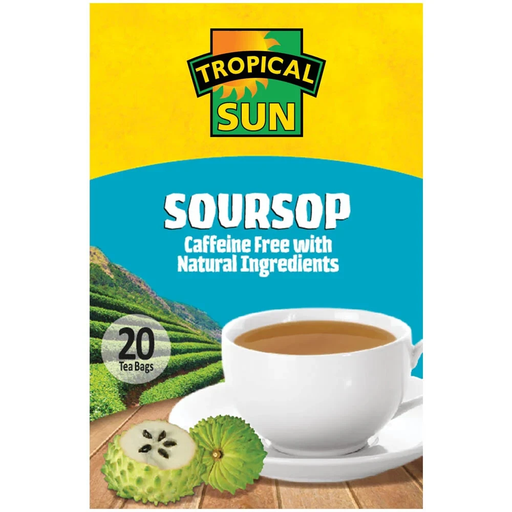
Tropical Sun Soursop Tea, 20 tea bags
Described as a caffeine-free soursop-leaf infusion for a hot-drink routine, this is a herbal leaf tea rather than a fruit-ingredient blend. If pregnancy or prescribed medicine is relevant, check the current ingredients and seek advice from a clinician or pharmacist.
View on Joybuy
 No image available
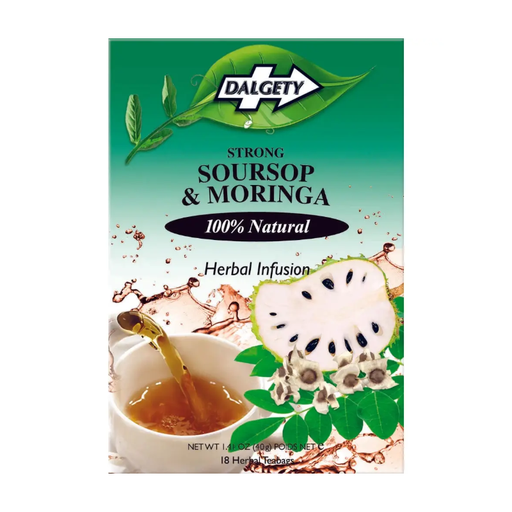
Dalgety Soursop & Moringa Tea, 40g
Described as a caffeine-free infusion of soursop and moringa leaves, this offers a leaf-based drink rather than a fruit-ingredient blend. The product name specifies 40g; check the current ingredients and seek professional advice if pregnancy or prescribed medicine is relevant.
View on Joybuy
 No image available
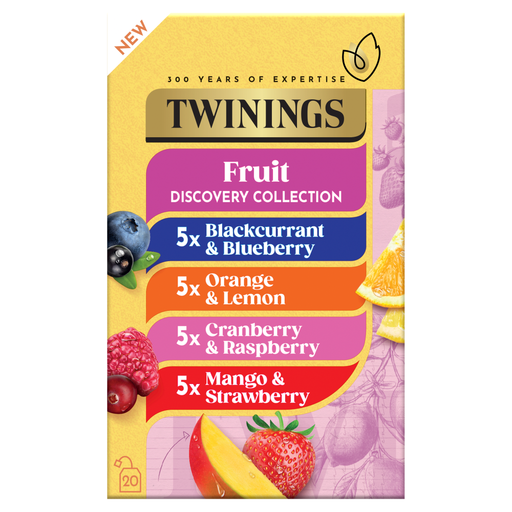
Twinings Fruit Selection, 20 tea bags, 40g
This mixed fruit-infusion pack is described as naturally caffeine-free. Joybuy’s ingredient listing names liquorice root in Cranberry & Raspberry, Mango & Strawberry, and Blackcurrant & Blueberry; if you are pregnant or might be pregnant, check every flavour against NHS advice to avoid teas containing liquorice root. Compare the current basket total, including delivery, before ordering.
View on Joybuy
Questions about fruit tea
Are all fruit teas caffeine-free?
No. Check the individual blend for an explicit caffeine-free claim and read its ingredients. Twinings describes its fruit and herbal infusions as free from tea leaves, but Pukka lists green tea among ingredients used across its fruit-tea range.
Can I choose fruit tea while breastfeeding?
An explicitly caffeine-free fruit infusion can replace some ordinary tea without adding caffeine from that cup. The NHS says caffeine can pass into breast milk and advises breastfeeding parents who consume caffeine to try not to exceed 300mg a day from all foods and drinks.
What changes if I am pregnant or might be pregnant?
Check each blend for liquorice root and avoid teas containing it. The NHS also advises drinking no more than four cups of herbal tea a day during pregnancy because research on their effects is limited.
What if I take prescribed medicine?
Do not assume a herbal infusion is suitable because it is described as natural or caffeine-free. Guy’s and St Thomas’ NHS Foundation Trust warns that herbal products can interact with conventional medicines and advises discussing them with the healthcare professional responsible for your prescribed medicine.
Should I choose a blend for tiredness, milk supply or sleep?
Choose fruit tea as a drink preference, not as a treatment for tiredness, milk-supply concerns or sleep problems. Ask a healthcare professional about symptoms or breastfeeding concerns rather than relying on a blend’s wellness description.


