Hosts serving a mixed group
Offer fruit or herbal infusion alongside coffee and conventional tea when guests may want different kinds of hot drink. Decaffeinated black tea provides another choice for those who still want black tea.


Serve a fruit or herbal infusion labelled naturally caffeine-free for guests who want a caffeine-free alternative to coffee or conventional tea. Keep decaffeinated black tea as a separate choice for guests who prefer black tea, and check each infusion’s ingredients before serving: a fruit blend can contain herbs, roots and flavourings as well as fruit.
For a mixed coffee morning, the useful distinction is between a caffeine-free infusion and a decaffeinated drink made from black tea.
Offer fruit or herbal infusion alongside coffee and conventional tea when guests may want different kinds of hot drink. Decaffeinated black tea provides another choice for those who still want black tea.
Look for an infusion whose individual pack says it is naturally caffeine-free. Twinings describes fruit tea as made without conventional tea leaves; a product labelled decaffeinated black tea is a different drink.
A larger pack of one infusion can be practical when guests already know they like its flavour. For an unfamiliar group, several flavours give people more choice, but every blend still needs its own ingredient check.
Choose the type of drink first, then check the flavour, ingredients and pack format against the people you are serving.
| Priority | What to check | Your needs |
|---|---|---|
| Caffeine status | Read the exact pack wording. Twinings describes fruit tea as made without conventional tea leaves, while the black-tea products listed by Sainsbury’s and Tesco are described as decaffeinated black tea. | I want guests avoiding caffeine to recognise an infusion labelled naturally caffeine-free, without mistaking decaf black tea for the same drink. |
| Flavour and format | Compare an assortment with a single-flavour pack. Twinings’ Fruit & Herbal Classic Collection has 20 individually wrapped bags; Clipper lists a 250-envelope Berry Burst pack. | For a group with different tastes, I would offer a choice of flavours. A large pack of one flavour makes more sense when I already know what guests prefer. |
| Ingredients | Check each blend’s ingredient list, not just its fruit name. Clipper lists hibiscus, rosehip, liquorice, nettle and flavourings in its Blackcurrant & Blueberry infusion. | If someone needs to avoid a particular ingredient, I need to identify the exact blend before putting it on the drinks table. |
| Pregnancy-related choices | Check the caffeine wording and the full ingredients separately. The NHS advises a limit of 200mg of caffeine a day during pregnancy; that guidance does not establish whether every botanical blend is suitable. | I want a clearly labelled caffeine-free option available, without assuming that its caffeine status answers every question about its ingredients. |
Decaffeinated black tea and a naturally caffeine-free fruit infusion are different drinks. A single label could leave guests unsure which one meets their request.
Label the serving areas separately as ‘fruit or herbal infusion’ and ‘decaffeinated black tea’, using the wording on the packs.
Fruit-named infusions can also contain herbs, roots and flavourings. Clipper’s Blackcurrant & Blueberry infusion, for example, lists hibiscus, rosehip, liquorice, nettle and flavourings.
Keep the carton or ingredient list available so guests can check the particular blend.
A large single-flavour pack gives guests less choice than an assortment. Clipper’s Berry Burst catering pack contains 250 envelopes, while Twinings offers a 20-bag Fruit & Herbal Classic Collection.
Consider an assortment for a small group with varied preferences; consider a larger single-flavour pack when that flavour is already familiar to the group.
A category name does not tell you the caffeine status or ingredients of every product shown within it.
Check the exact product and its pack wording before buying, then leave the ingredient information accessible when serving.
These ranges illustrate different drink types and pack formats; a brand name alone does not establish the ingredients or caffeine status of an individual blend.
Twinings distinguishes fruit and herbal infusions from its decaffeinated black tea. Its Fruit & Herbal Classic Collection is a 20-envelope assortment labelled naturally caffeine-free.
Pukka describes Elderberry & Echinacea as an organic fruit tea that is naturally caffeine-free.
Clipper lists a naturally caffeine-free Berry Burst infusion in a 250-envelope catering format.
Tesco has a decaf fruit-and-herbal shopping category and lists Yorkshire Tea Decaf as decaffeinated black tea.
Sainsbury’s listings include its own Strawberry, Raspberry & Cranberry tea bags and Twinings Decaffeinated Everyday black tea.
These options include a fruit selection and single-flavour herbal drinks for a coffee morning. They are not substitutes for decaffeinated black tea; check each pack’s caffeine wording and ingredients against your guests’ needs.
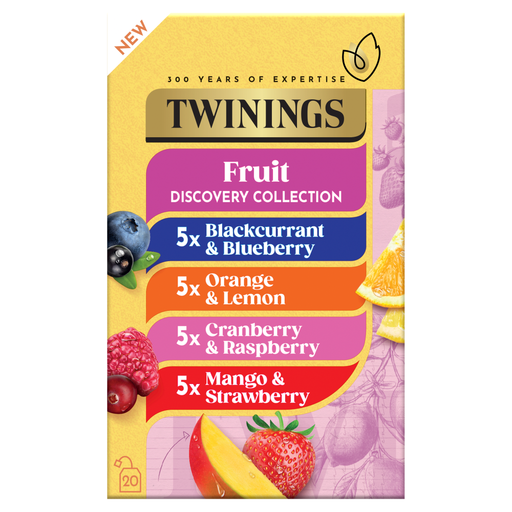 No image available
A fruit selection offers a group a choice of flavours in a 20-bag pack. Check the caffeine wording and each blend’s ingredients before serving.
 No image available
A lemon-and-ginger choice for guests who prefer one flavour to a fruit assortment. It is not a berry-style fruit blend; check the pack’s ingredients and caffeine wording.
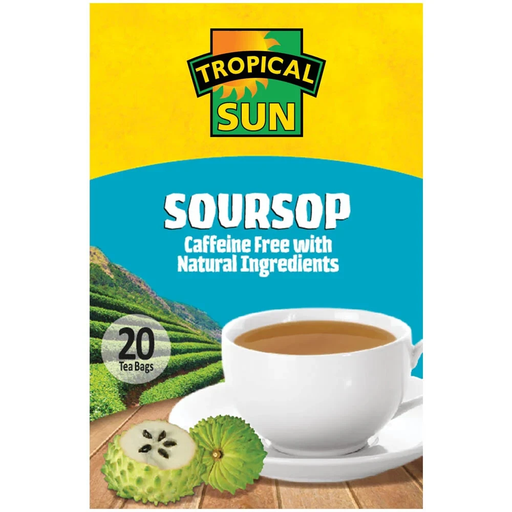 No image available
A single soursop option rather than a selection of fruit flavours. Check the ingredient, caffeine and preparation details on the pack before offering it as an alternative.
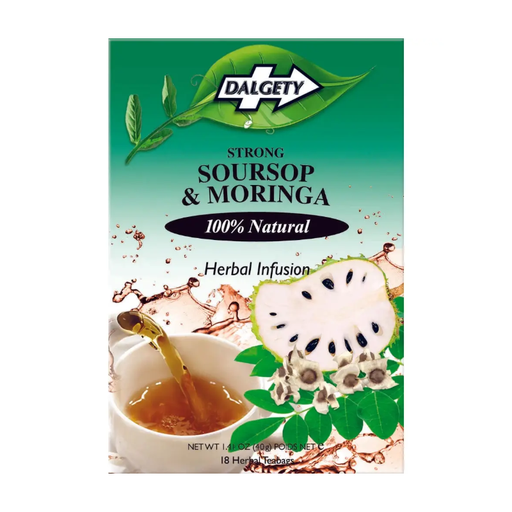 No image available
A soursop-and-moringa choice for guests interested in a botanical drink rather than a fruit selection. Check both botanicals against guests’ needs, along with the pack’s caffeine wording.
No. Twinings describes fruit tea as made without conventional tea leaves, while its Decaffeinated Everyday product is decaffeinated black tea. For a caffeine-free choice, check that the particular infusion is labelled naturally caffeine-free.
Offer both when guests may want different drinks: a fruit or herbal infusion labelled naturally caffeine-free for those seeking that option, and decaffeinated black tea for those who prefer black tea. Label them separately so guests can choose.
A blend explicitly labelled naturally caffeine-free answers the caffeine question, but its ingredients still need checking. The NHS advises no more than 200mg of caffeine a day during pregnancy; that guidance does not establish the suitability of every botanical blend. A guest with questions about a particular ingredient should seek individual clinical advice.
Read the ingredients and dietary information for each blend, not just the assortment’s name. Fruit-named infusions can also contain herbs, roots and flavourings, so keep the pack available for guests who need to check an ingredient.
Use each product’s preparation directions rather than one time for every blend. Check the instructions before the coffee morning, particularly if you are serving several different infusions.