For a fruity drink without caffeine, choose an unsweetened fruit or herbal infusion labelled naturally caffeine-free. If you prefer traditional black or green tea, decaf is another option, but Twinings notes that traces of caffeine can remain. Check the prepared drink’s sugar information, any additions and the blend’s ingredients rather than treating fruit flavour or botanicals as a diabetes benefit.
Who is this choice for?
People replacing sweet drinks
If you are managing diabetes and want flavour without sweetening the cup, start with the prepared drink rather than its fruit-themed name. Diabetes UK includes unsweetened tea among drink options for people living with diabetes and advises cutting back on sugar added to tea and coffee.
Evening drinkers avoiding caffeine
A fruit or herbal infusion labelled naturally caffeine-free serves a different need from decaffeinated traditional tea. Twinings explains that decaf tea can retain traces of caffeine, so the distinction matters if you want to avoid it.
Shoppers considering botanical blends
Cinnamon, liquorice root and other herbs are ingredients to identify, not reasons to expect diabetes treatment. Diabetes UK cautions against replacing prescribed care with herbal remedies.
What should you check before buying?
Naturally caffeine-free infusion
Choose it when: You want fruit or herbal flavours and a blend labelled naturally caffeine-free.
Keep in mind: Flavour and ingredient lists vary, and a fruity taste does not establish the sugar content of the prepared drink.
Decaffeinated traditional tea
Choose it when: You prefer black or green tea and accept reduced caffeine rather than necessarily none.
Keep in mind: Twinings notes that decaffeinated tea can retain minor traces of caffeine; it is not interchangeable with a naturally caffeine-free infusion.
Once you have chosen the type of drink, compare the prepared infusion, its caffeine statement and the ingredients in the particular blend.
| Priority |
What to check |
Your needs |
| Sugar in the cup |
Read sugars per 100ml or serving for the prepared drink where stated. Account for sugar, syrup, honey or juice added after brewing. |
I want an unsweetened replacement for a sweet hot drink. Diabetes UK includes unsweetened tea among drink options for people living with diabetes. |
| Caffeine |
Check whether the blend is labelled naturally caffeine-free or decaffeinated. Read the ingredients for tea leaves, mate or guarana, and check any stated caffeine level. |
For a later-day drink, I may want to avoid caffeine rather than simply reduce it. Twinings says decaffeinated tea can retain traces. |
| Botanicals |
Read the full ingredient list for liquorice root, cinnamon and other botanicals. Check the particular flavour variant rather than relying on the front-of-pack fruit name. |
I want to know what is in a blend I plan to drink regularly, without assuming its herbs provide a diabetes benefit. Diabetes UK says herbal remedies should not replace treatment. |
What is easy to overlook?
-
Assuming fruit flavour means no sugar
A fruit-themed name does not establish the sugars in every brewed blend, and sweetening a drink after brewing changes what is in the cup.
Compare the prepared-drink nutrition information where available and consider how you will serve the tea. Diabetes UK advises cutting back on sugar in tea and coffee.
-
Treating decaf as caffeine-free
Decaffeinated traditional tea may retain traces of caffeine, according to Twinings.
If avoiding caffeine is important, look for a clearly labelled naturally caffeine-free infusion and check its ingredients. Choose decaf when reduced caffeine meets your needs.
-
Expecting a botanical blend to treat diabetes
Diabetes UK states that cinnamon is not a cure for diabetes and that herbal remedies should not replace a treatment plan.
Choose a blend for its flavour, not an implied blood-glucose effect. If regular herbal-product use raises a question about your care, discuss it with your healthcare team.
-
Missing liquorice root in a berry blend
Fruit infusions can combine fruit flavours with other botanicals; the ingredient profile can change between variants.
Read the ingredients on the specific pack, particularly if you expect to drink the blend frequently or have a condition or medication-related concern.
Which brands offer relevant examples?
These brand examples illustrate different tea and infusion types; compare the details of an individual product rather than assuming every blend from a brand is alike.
Twinings
Twinings provides examples of both fruit infusion and decaffeinated traditional tea.
- Twinings describes Strawberry & Raspberry as sugar-free and naturally caffeine-free, and states 0g sugars per 100ml brewed infusion.
- That fruit blend contains liquorice root. Twinings English Breakfast Decaffeinated is a different type of drink: the brand states 0.02% caffeine for that blend.
Clipper
Clipper Berry Burst is an organic fruit-and-herbal infusion rather than decaffeinated traditional tea.
- Clipper describes Berry Burst as naturally caffeine-free and lists ingredients including hibiscus, rosehip and liquorice root.
- Check the current pack’s prepared-drink nutrition information if sugars are important to your comparison.
Pukka
Pukka Wild Apple & Cinnamon is a fruit-and-spice herbal infusion.
- Pukka describes this blend as naturally caffeine-free and made with organically grown ingredients including apple, cinnamon and ginger.
- Cinnamon does not make the drink a diabetes treatment. Check the current pack for the ingredient and nutrition details relevant to your choice.
Joybuy fruit and decaf tea options
These options include a fruit-infusion selection, other caffeine-free herbal infusions and decaffeinated green and black teas. The herbal options are not all fruit blends, and the decaf teas are alternatives for people who prefer traditional tea.
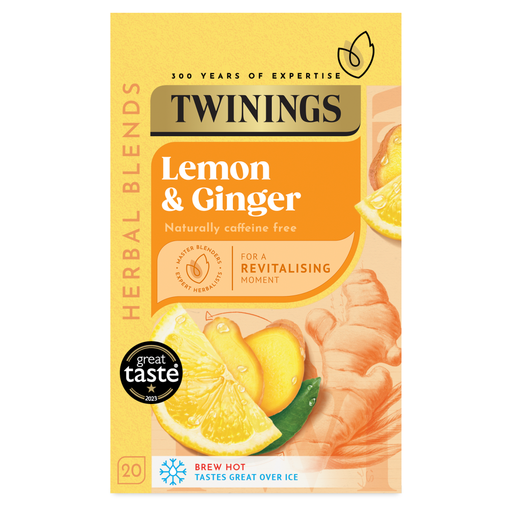 Image unavailable
Twinings Lemon & Ginger 20 tea bags
A citrus-and-ginger herbal infusion for someone seeking an unsweetened hot drink rather than a fruit blend. Its product description calls it naturally caffeine-free and states 0g sugars per 100ml brewed infusion; additions to the cup change the prepared drink.
View on Joybuy
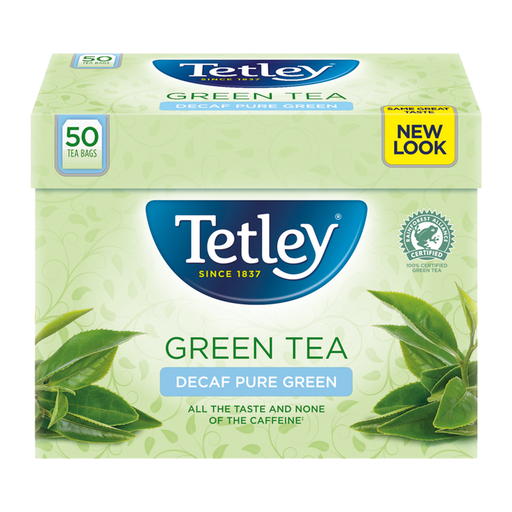 Image unavailable
Tetley Decaffeinated Green Tea, 50 tea bags, 100g
A green-tea alternative if you prefer traditional tea and accept decaf rather than a naturally caffeine-free fruit infusion. The product description states 0.2% caffeine and 0g sugars per 100ml infusion; use the stated caffeine figure rather than treating broader caffeine-free wording as a zero-caffeine specification.
View on Joybuy
 Image unavailable
Tetley Decaffeinated Black Tea, 80 tea bags, 250g
A black-tea alternative for someone who prefers traditional tea to a fruit infusion. Its product description states 0g sugars per 100ml brewed infusion. Decaffeinated does not necessarily mean caffeine-free, so check the current pack if the remaining caffeine level matters to you.
View on Joybuy
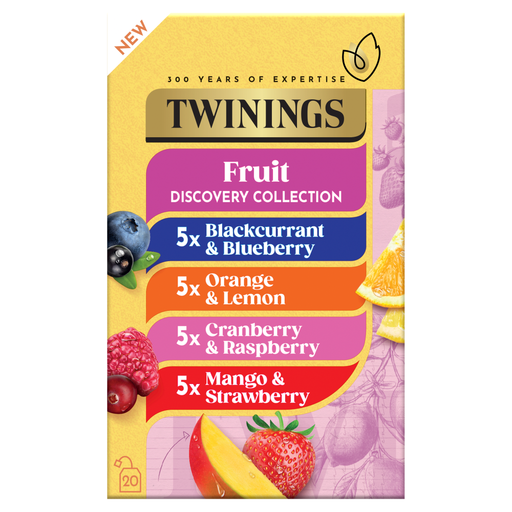 Image unavailable
Twinings Fruit Selection, 20 tea bags, 40g
A selection of four fruit-infusion blends described as naturally caffeine-free. The listed Cranberry & Raspberry, Mango & Strawberry, and Blackcurrant & Blueberry blends contain liquorice root; check the ingredients of the flavour you choose and the current pack’s prepared-drink nutrition information.
View on Joybuy
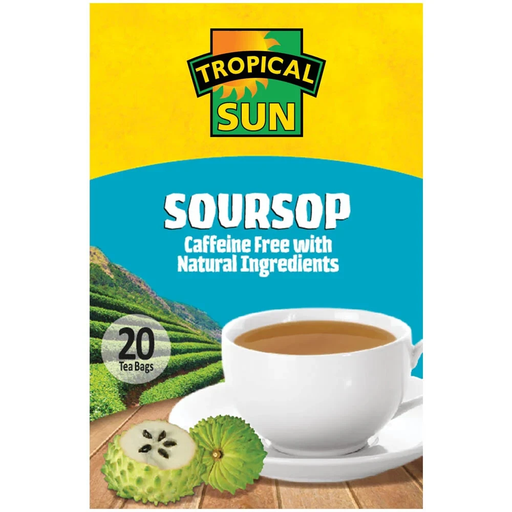 Image unavailable
Tropical Sun Soursop Tea, 20 tea bags
A soursop-leaf herbal infusion, not a fruit blend, with hot- and cold-brewing instructions. Its product description states that it is caffeine-free and gives sugars as below 0.5g per 100ml prepared infusion; check the current pack before relying on that figure. Do not treat botanical claims as diabetes-treatment evidence.
View on Joybuy
Frequently asked questions
Is fruit tea automatically suitable if I have diabetes?
No. Fruit flavour alone does not establish what is in the prepared drink. Check its nutrition information and ingredients, and account for anything you add after brewing. Diabetes UK includes unsweetened tea among drink options for people living with diabetes and advises cutting back on added sugar.
Is naturally caffeine-free fruit tea the same as decaf tea?
No. Fruit and herbal infusions are generally naturally caffeine-free, but ingredients still need checking; decaffeinated black or green tea can retain traces of caffeine. Twinings states 0.02% caffeine for its English Breakfast Decaffeinated blend, a figure specific to that product.
Can cinnamon or herbal fruit tea treat diabetes?
Do not use a tea as diabetes treatment. Diabetes UK says cinnamon is not a cure for diabetes and herbal remedies should not replace a treatment plan. Discuss regular herbal-product use with your healthcare team if it raises a question about your care.
Should I check fruit tea for liquorice root?
Yes, particularly if you plan to drink a blend regularly or have a condition or medication-related concern. Twinings Strawberry & Raspberry and Clipper Berry Burst are examples that list liquorice root, but ingredients vary by product and flavour; read the current pack.


