For a student who wants to avoid caffeine, choose a fruit or herbal infusion explicitly labelled caffeine-free and check its ingredients rather than relying on the flavour name. Decaffeinated black or green tea is a different choice: it keeps a conventional tea-leaf flavour, but can retain traces of caffeine. Before stocking a new cupboard, check the exact pack’s ingredients, brewing directions and tea-bag count.
Who needs which kind of tea?
The useful distinction for a student’s first tea box is whether the priority is a caffeine-free label, a familiar tea-leaf flavour or a smaller quantity of an unfamiliar infusion.
Students avoiding caffeine in halls
An infusion explicitly labelled caffeine-free is the clearer choice for a late-study or evening drink. Check the ingredients as well as the label, particularly when a blend contains botanicals such as mate or guarana.
Students who prefer conventional tea
Decaffeinated black or green tea offers tea-leaf flavour rather than a berry or herbal infusion. It is a reduced-caffeine choice, not a substitute for a product specifically labelled caffeine-free.
Students buying their first tea box
A smaller box lets you try a flavour before giving it space in a shared cupboard. Compare the tea-bag count and check the individual pack’s caffeine claim; a fruit-tea category name alone does not settle it.
How should you choose fruit tea or decaf?
Decide first whether a caffeine-free label or conventional tea flavour matters more. Then compare the ingredients and pack size of products that meet that requirement.
Caffeine-free fruit or herbal infusion
Choose when: You want a fruit-led or herbal drink and need a product explicitly labelled caffeine-free.
Trade-off: Its flavour comes from the blend’s fruit, herbs or other botanicals rather than conventional black or green tea leaves.
Decaffeinated black or green tea
Choose when: You prefer tea-leaf flavour and want less caffeine than in ordinary tea.
Trade-off: Decaffeinated tea can retain traces of caffeine and may not have a fruit-led flavour.
| Priority | What to check | Your needs |
|---|
| Caffeine status |
Look for an explicit caffeine-free claim on an infusion, or decaffeinated wording on tea made from tea leaves. Check the full ingredients, including any mate or guarana. |
I want a drink for evenings and need to know whether the pack says caffeine-free, rather than assuming fruit flavour or a decaf label means the same thing. |
| Flavour and brewing |
Read the named ingredients to distinguish berry, herbal and tea-leaf flavours. Follow the pack’s water and infusion instructions before judging the drink. |
A small box makes sense if I have not tried the flavour; I also need preparation instructions that work with my accommodation’s permitted equipment. |
| Ingredients |
Check the current pack’s full ingredient list and allergen information. Look for botanicals such as liquorice root if they matter to your choice. |
Some ingredients may not suit me, so I cannot decide from a plant-based description or the word “fruit” alone. |
| Pack size |
Compare tea-bag counts and storage instructions. Consider whether the quantity fits the space you have and how familiar you are with the flavour. |
I would rather try an unfamiliar infusion in a smaller box than keep a large pack I may not finish in a shared cupboard. |
Mistakes to avoid when buying tea
-
Assuming every fruit tea is caffeine-free
Twinings describes most fruit and herbal infusions as naturally caffeine-free, but a flavour name does not establish the status of a particular blend.
When avoiding caffeine is the reason for buying, choose an infusion with an explicit caffeine-free statement and check its ingredients, including for mate or guarana.
-
Using “decaf” and “caffeine-free” interchangeably
Decaffeinated black or green tea can retain traces of caffeine. It answers a different flavour preference from a fruit or herbal infusion.
Choose decaf for reduced-caffeine tea-leaf flavour; choose a product explicitly labelled caffeine-free when that label is essential to your decision.
-
Buying a large pack of an unfamiliar flavour
A large quantity commits cupboard space to a blend you have not tried.
Consider a smaller box first, then follow its brewing instructions before deciding whether to buy more.
Unfinished tea bags also take up space in a small room or shared cupboard.
-
Skipping the ingredient and allergen information
Fruit and herbal blends can contain ingredients such as liquorice root or flavourings. In the UK, GOV.UK says any of the 14 regulated allergens used as ingredients in prepacked food or drink must be clearly labelled.
Read the current pack’s ingredient and allergen information, particularly if an ingredient is unsuitable for you; do not rely on the blend’s name or an older product description.
Brand and own-brand options to check
These examples show why the individual product matters more than the brand name: fruit infusions, herbal blends and decaffeinated tea can sit alongside one another in a range.
Twinings
Twinings distinguishes fruit and herbal infusions from its decaffeinated black and green teas.
- Twinings labels its Strawberry & Raspberry infusion naturally caffeine-free and provides ingredients and brewing directions.
- Check each blend separately rather than applying one infusion’s caffeine claim to the whole range.
Pukka
Pukka offers fruit-led herbal blends, including Elderberry & Echinacea and Night Time Berry.
- Pukka describes Elderberry & Echinacea as naturally caffeine-free; the Sainsbury’s listing for Night Time Berry also states naturally caffeine-free.
- Read the exact blend’s ingredients rather than treating its bedtime-themed name as a claim about what it will do.
Teapigs
Teapigs lists a berry-led herbal infusion and a separate decaf English Breakfast tea.
- Teapigs describes Super Fruit as a naturally caffeine-free herbal infusion.
- Its decaf English Breakfast is black tea, not a fruit infusion; check the exact pack for the flavour and caffeine wording you want.
Clipper
Clipper is an option to consider when comparing decaffeinated conventional tea with herbal infusions.
- Clipper identifies Organic Everyday Decaf as decaffeinated organically grown black tea.
- That black-tea description does not establish the caffeine status of a separate fruit or herbal blend; check its own label.
Tesco
Tesco own-brand fruit and herbal tea can be considered when adding a first box to a grocery shop.
- A Tesco fruit and herbal tea listing includes Red Berries tea bags.
- Confirm the chosen pack’s ingredients and caffeine claim rather than assuming every own-brand fruit blend is caffeine-free.
Sainsbury’s
Sainsbury’s own-brand fruit infusions provide flavours to compare during a grocery shop.
- Its fruit and herbal category lists Strawberry, Raspberry & Cranberry tea bags in a 20-bag format.
- A category listing does not confirm every blend’s caffeine status or ingredients; use the exact product label.
Joybuy herbal infusion options
These are herbal infusion options for a student cupboard, not a selection of decaffeinated black or green teas. The Pukka pack is berry-led; the soursop, soursop-and-moringa and peppermint packs offer other herbal flavours. If avoiding caffeine is essential, check the current pack’s claim and ingredients before choosing.
 No image available
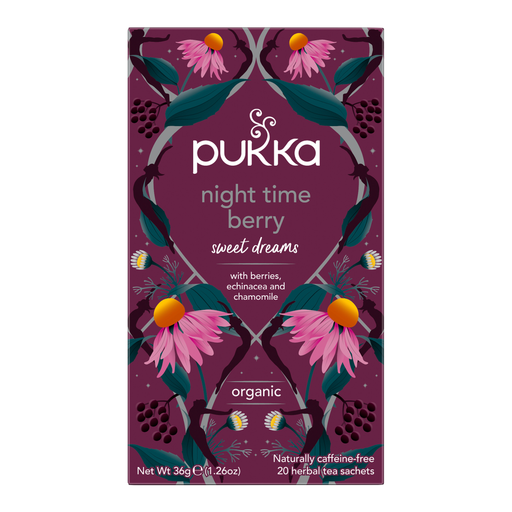
Pukka Night Time Berry Organic, 20 sachets, 36g
For a berry-led infusion in a smaller first box, this pack contains 20 sachets and weighs 36g. Sainsbury’s describes the corresponding Pukka Night Time Berry product as naturally caffeine-free. Check the current ingredients if liquorice root or valerian root is unsuitable for you.
View on Joybuy
 No image available
Tropical Sun Soursop Tea, 20 tea bags
Consider this 20-tea-bag soursop option if you want to try a herbal drink rather than a berry-flavoured infusion. Check the current pack’s ingredients and caffeine wording before choosing it for caffeine avoidance.
View on Joybuy
 No image available
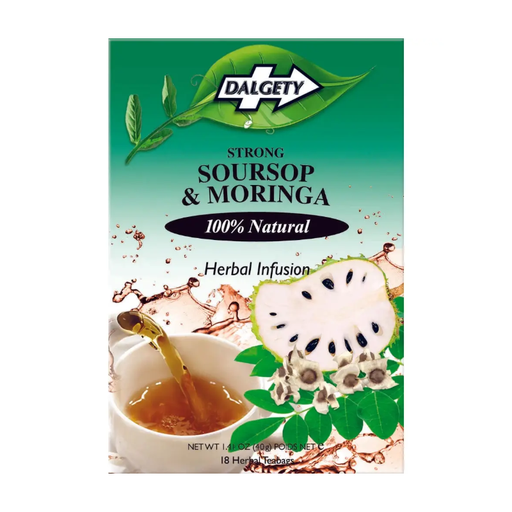
Dalgety Soursop & Moringa Tea, 40g
The 40g soursop-and-moringa blend is a herbal alternative to a berry-flavoured tea. Check its current ingredients and caffeine statement if either is central to your choice.
View on Joybuy
 No image available
Twinings Pure Peppermint 80 Pack
This larger peppermint pack suits someone who already wants a non-fruit herbal flavour, rather than a first trial of berry tea. It does not offer conventional tea-leaf flavour; check the current pack’s caffeine wording before buying it for caffeine avoidance.
View on Joybuy
Questions about fruit tea and decaf
Is decaf fruit tea the same as caffeine-free fruit tea?
No. Twinings describes most fruit and herbal infusions as naturally caffeine-free, while decaffeinated black or green tea is tea that has undergone caffeine removal and can retain traces. If a caffeine-free label matters to you, look for that wording on the exact infusion and check its ingredients rather than relying on “fruit” or “decaf” alone.
What should I check on a fruit-tea pack?
Start with the caffeine claim and full ingredients, then check the brewing directions and tea-bag count. If allergens or particular botanicals matter to you, use the current pack’s information: GOV.UK says the 14 regulated allergens must be clearly labelled when used as ingredients in prepacked food or drink.
Can I make fruit tea in a student room?
Check your accommodation’s rules for kettles or other hot-water appliances, then follow the tea’s brewing directions. Twinings, for example, instructs buyers to brew its Strawberry & Raspberry infusion with one bag in 200 ml of freshly boiled water for three minutes; directions for another blend may differ.
What if a fruit infusion contains liquorice root?
Read the exact blend’s ingredient list and choose one without liquorice root if you need to avoid it. A fruit or herbal name does not tell you whether liquorice root is present, and ingredients can differ between blends.


