What should you check before buying?
Choose the kind of breakfast cup you want first, then check the exact blend for caffeine status, ingredients and preparation.
| Priority |
What to check |
Your needs |
| Caffeine status |
For a fruit or herbal infusion, look for an explicit naturally caffeine-free statement and read the ingredients. Twinings identifies mate and guarana as exceptions among some blends; decaffeinated tea can retain traces of caffeine. |
I want a fruity breakfast drink without caffeine, rather than black tea that has been decaffeinated. |
| Cup style and flavour |
Compare the named fruit and herbal ingredients with the flavour you want. If you prefer a conventional tea-style cup, check that the alternative is decaffeinated black tea rather than a fruit infusion. |
A berry or apple-led drink appeals to me more than traditional tea—or I would rather keep the familiar black-tea character. |
| Preparation |
Read the instructions for the exact product, including water volume and infusion time. Twinings specifies one bag in 200ml of freshly boiled water for three minutes for its Strawberry & Raspberry infusion, or longer for a stronger cup. |
I want to know how to make the breakfast cup I have chosen, and whether that blend can also be served cold later. |
| Ingredients in pregnancy |
Check the full ingredient list for liquorice root. The NHS advises pregnant shoppers to avoid teas containing it, limit herbal tea to no more than four cups a day and keep total caffeine to no more than 200mg a day. |
If I am pregnant, a caffeine-free statement alone is not enough to choose a herbal blend. |
Relevant brand ranges
These brand examples illustrate different drink styles; the details apply to the named products, not every blend in a range.
Twinings
Twinings offers both fruit infusions and a separate decaffeinated tea range, making the distinction between the two breakfast cups particularly clear.
- Twinings labels Strawberry & Raspberry naturally caffeine-free and gives a three-minute brewing instruction.
- That infusion lists liquorice root among its ingredients, which matters for pregnant shoppers under NHS guidance. Twinings also says its UK decaffeinated teas can retain traces of caffeine.
Pukka
Pukka has organic fruit and herbal blends for shoppers seeking a fruit-led infusion rather than decaffeinated black tea.
- Pukka describes Elderberry & Echinacea and Wild Apple & Cinnamon as naturally caffeine-free; it says the latter contains 100% organically grown ingredients.
- Check the ingredients of the particular blend you choose rather than applying one product’s details to the whole range.
teapigs
teapigs Super Fruit is a fruit-flavour reference for shoppers who prefer a berry and hibiscus profile.
- teapigs describes Super Fruit as a naturally caffeine-free herbal infusion with a hibiscus base and a slightly tart berry taste.
- That flavour description is the brand’s own; check the ingredients if you have a specific dietary or pregnancy-related concern.
Clipper
Clipper is a reference for the conventional decaf-tea route when fruit flavour is not what you want at breakfast.
- Clipper identifies Organic Everyday Decaf as decaffeinated organically grown black tea.
- It is a black tea, not a fruit infusion or a naturally caffeine-free herbal blend.
Joybuy options for both routes
The first two options are soursop-leaf herbal infusions for a tropical-style cup, not fruit-piece or berry blends. The other two are decaffeinated black teas for a conventional breakfast cup; check the exact pack if trace caffeine matters to you.
 No image available
Tropical Sun Soursop Tea, 20 tea bags
Consider this for a tropical herbal cup rather than a berry or fruit-piece blend: the product information describes a soursop-leaf infusion and calls it caffeine-free. Check the pack’s caffeine and ingredient statements if those details determine your choice.
View on Joybuy
 No image available
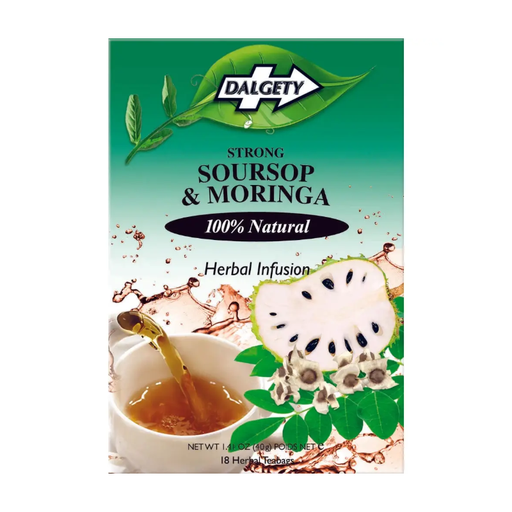
Dalgety Soursop & Moringa Tea, 40g
This is a herbal-infusion option rather than a fruit-piece tea: the product information describes soursop and moringa leaves and calls the drink caffeine-free. Check the pack for its preparation instructions and full ingredients before choosing it for breakfast.
View on Joybuy
 No image available
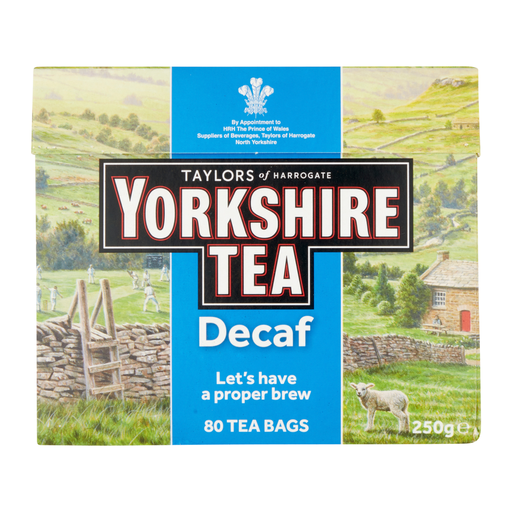
Taylors of Harrogate Yorkshire Tea Decaf, 250g
Choose the decaf black-tea route if you want a conventional tea-style breakfast cup rather than fruit flavour. This is a 250g pack; if avoiding even traces of caffeine matters, check the product’s caffeine information before buying.
View on Joybuy
 No image available
Tetley Decaffeinated Tea, 80 tea bags, 250g
This 80-bag, 250g option is for a decaffeinated black-tea breakfast cup, not a fruit infusion. Check the pack’s brewing directions and caffeine information if preparation or trace caffeine affects your choice.
View on Joybuy
Frequently asked questions
Is fruit tea the same as decaf tea?
No. A fruit or herbal infusion can be naturally caffeine-free, whereas decaf tea is made from tea that has been decaffeinated and can retain traces of caffeine. Twinings notes that some fruit and herbal blends contain mate or guarana, so check the exact pack rather than relying on its fruit-flavour name.
Which should I choose for a caffeine-free weekend breakfast?
Choose a fruit or herbal infusion explicitly labelled naturally caffeine-free if you want fruit flavour without caffeine. If you want a conventional black-tea cup instead, decaf tea is the relevant alternative, provided trace caffeine is acceptable.
How can I make fruit tea taste stronger?
Follow the instructions for the particular blend rather than using one brewing time for all fruit teas. Twinings specifies one Strawberry & Raspberry tea bag in 200ml of freshly boiled water for three minutes, or a longer infusion for a stronger cup.
Is caffeine-free fruit tea suitable during pregnancy?
A caffeine-free label does not settle whether the herbal ingredients are suitable. The NHS advises avoiding teas containing liquorice root, drinking no more than four cups of herbal tea a day and keeping total caffeine to no more than 200mg a day during pregnancy. Check the exact ingredients: Twinings Strawberry & Raspberry, for example, lists liquorice root.


