Buyers serving varied tastes
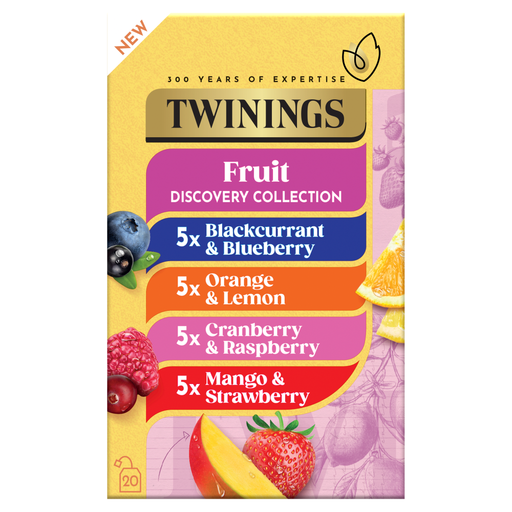
A selection of individually enveloped blends offers berry, citrus and other fruit profiles without opening a separate box for each one. Twinings describes four blends in its Fruit Discovery Collection.


For a workplace canteen where staff tastes are uncertain, start with a mixed fruit-infusion selection; consider a bulk single blend once a small trial shows that staff will use it regularly. Check each exact pack’s caffeine statement, ingredients, brewing instructions and allergen information before adding it to lunch service.
The useful pack format depends on whether the canteen needs flavour choice, a repeatable serving routine or clear information at self-service.
A selection of individually enveloped blends offers berry, citrus and other fruit profiles without opening a separate box for each one. Twinings describes four blends in its Fruit Discovery Collection.
Once a flavour has proved popular at lunch, a catering pack may make repeat ordering simpler. Clipper lists 250-envelope formats for its Berry Burst and Lemon & Ginger infusions; either pack commits the canteen to one blend.
Keep the current supplier information for each tea available to staff and canteen workers, particularly where people choose their own drinks. GOV.UK and Food Standards Agency guidance, alongside Food Standards Scotland guidance, addresses allergen information for catering food and drink.
Choose the flavour format first, then check the exact product’s composition and preparation instructions against the way lunch drinks are served.
| Priority | What to check | Your needs |
|---|---|---|
| Flavour choice | Count the distinct blends and servings of each. Check whether bags are individually enveloped or the pack contains one repeated flavour. | I would rather offer a choice while staff preferences are uncertain. Twinings lists four blends with five bags of each in its Fruit Discovery Collection. |
| Repeat orders | Trial a single flavour before committing to a larger pack. Confirm its pack count and whether the same preparation routine works for lunch service. | When one blend is used consistently, I can consider a larger pack; Clipper lists Berry Burst in a 250-envelope format. |
| Caffeine statement | Read the declaration on the exact pack or supplier specification. Do not infer caffeine status from the words ‘fruit tea’. | If I need a caffeine-free choice, I want a product that explicitly says so. Twinings Fruit Discovery, Clipper Berry Burst, Pukka Wild Apple & Cinnamon and teapigs Super Fruit are each described as naturally caffeine-free by their respective brands. |
| Ingredients and allergens | Check each blend’s current ingredient information, including liquorice root where relevant. Keep the information accessible at service. | I need people to be able to check what is in their drink. Clipper lists liquorice root in Berry Burst and Lemon & Ginger, and its Lemon & Ginger pack warns people with hypertension against excessive consumption. |
| Brewing routine | Compare the pack’s infusion time with the time available at lunch. Give self-service users the product’s preparation instructions. | For a short lunch break, I want a preparation routine people can follow. Clipper states two to five minutes for Berry Burst; teapigs states at least three minutes for Super Fruit. |
A large pack offers little choice if its single flavour does not appeal to the people using the canteen.
Try a mixed selection or a smaller quantity first, observe which blends staff choose at lunch, then consider a larger pack of a regularly used flavour.
Unused bags also take up storage space until the pack is finished or replaced.
Fruit and fruit-and-spice infusions can contain liquorice root. Clipper’s Lemon & Ginger product also carries a warning for people with hypertension about excessive consumption.
Check the current ingredients and warnings for each blend, and make the relevant ingredient and allergen information available where drinks are served.
Infusion times differ between products: Clipper gives two to five minutes for Berry Burst, while teapigs specifies at least three minutes for Super Fruit.
Put the exact pack instruction where people prepare their drinks, and consider whether there is enough time and hot water for that method during lunch.
These examples illustrate different fruit-infusion formats; a brand’s inclusion here does not mean every one of its blends has the same ingredients or preparation method.
Fruit Discovery Collection is a mixed option for a canteen testing several flavours.
Berry Burst and Lemon & Ginger are listed in 250-envelope catering formats for established single-flavour demand.
Wild Apple & Cinnamon is a fruit-and-spice option when certified-organic ingredients are a purchasing requirement.
Super Fruit offers a fruit-led blend in a 15-tea-temple pack.
Lemon, Manuka Honey & Ginger is a 20-bag, single-profile fruit-and-spice infusion.
These options include a mixed tea-bag selection, two single-serve drinks mixed with water and a berry-led herbal tea. Check the preparation method and exact ingredients before treating them as interchangeable for canteen service.
 No image available
A mixed tea-bag option when lunch users want a choice of fruit flavours. The 20-bag selection lists Cranberry & Raspberry, Mango & Strawberry, Blackcurrant & Blueberry, and St Clements; check the ingredients of each blend, as three list liquorice root. Check the pack’s brewing instructions when setting up service.
 No image available
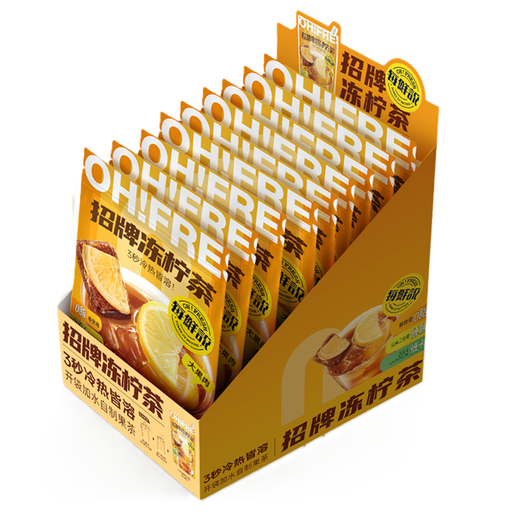
Single-serve sachets provide a portioned lemon-tea option mixed with water rather than a brewed tea bag. Each 6g sachet is described as mixing with about 300ml of water. Check the current pack’s sugar wording against its ingredient list, and confirm caffeine status if the canteen needs a caffeine-free drink.
 No image available
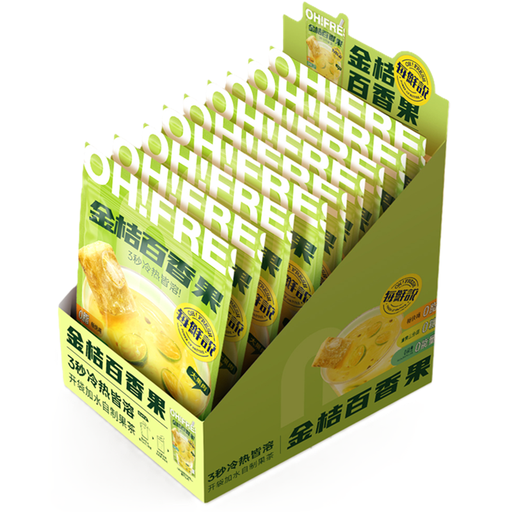
This is a portioned drink mixed with water, not a brewed tea bag; the serving description gives about 300ml of water for each 6g portion. Confirm the exact fruit variant before ordering: the product title and ingredient details identify kumquat, while its English description names golden pomelo. Check the pack for caffeine information if that affects the canteen’s choice.
 No image available
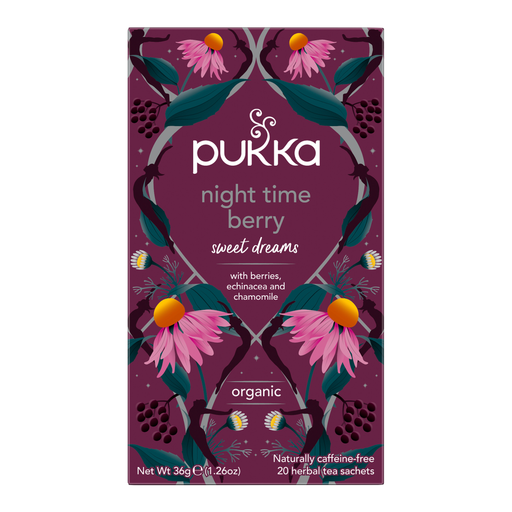
A single berry-led herbal blend in a 20-sachet pack, positioned by its name for night-time use rather than specifically for lunch. Its listed ingredients include blackcurrant, elderberry and liquorice root. Check the exact pack’s caffeine statement and brewing instructions before adding it to the canteen menu.
Yes, where the canteen is a food business, allergen-information requirements apply to food and drink. GOV.UK and Food Standards Agency guidance for retail and catering businesses in England, Wales and Northern Ireland covers both prepacked and non-prepacked items; Food Standards Scotland guidance also requires businesses to provide allergen information for both. Keep current information for each tea available to consumers before they choose it.
No. Check the statement on the exact product rather than relying on its category name. Twinings Fruit Discovery, Clipper Berry Burst, Pukka Wild Apple & Cinnamon and teapigs Super Fruit are described as naturally caffeine-free by their respective brands, but that does not establish the status of other blends.
Several fruit and fruit-and-spice blends list liquorice root, including Clipper Berry Burst and Lemon & Ginger, Twinings Cranberry & Raspberry, and Sainsbury's Lemon, Manuka Honey & Ginger. Clipper’s Lemon & Ginger warning says people with hypertension should avoid excessive consumption. Keep the ingredient list and any pack warning available so people can make an informed choice.
Follow the instructions for the exact blend. Clipper specifies two to five minutes for Berry Burst, while teapigs specifies at least three minutes for Super Fruit. For self-service, display the relevant instruction where people can see it while preparing their drink.