What matters when choosing?
Decide how much fruit you can use from one tin, then check the packing liquid and the form in which the fruit is cut.
| Concern |
What to check |
Who this matters to |
| Opened-tin leftovers |
Compare tin size with the number of servings you need, and read the instructions for storing any remainder. |
If I only need fruit for one breakfast, I want to avoid opening more than I can use or store. About 36% of consumers would put manageable leftovers first. |
| Juice or syrup |
Check the exact variant’s packing liquid and ingredients, rather than relying on the fruit name. |
I may want fruit packed in juice and would check that the tin is not a syrup variant. For about 29% of consumers, the packing liquid would be the primary concern. |
| Fruit form |
Look for slices, halves or mixed fruit that suit how you intend to serve it. |
When fruit will be served alongside breakfast, I want pieces that suit the plates I am preparing. Roughly 21% of consumers would make fruit form their first consideration. |
| Usable fruit quantity |
Compare net weight with drained weight where both are shown; the liquid is part of the net weight. |
If the amount of fruit matters more to me than the overall tin weight, I need to look at the drained quantity. About 14% of consumers would prioritise that distinction. |
Single-tin options on Joybuy
These tins cover a smaller 220g peach option and larger fruit tins for sharing or planned later use. Check the named juice or light-syrup variant before choosing.
 Image unavailable
Morrisons Peach Slices in Juice 220g
Consider this smaller single tin when you want peach slices for one breakfast and would rather limit leftovers. It is a 220g juice-packed variant; if any remains after opening, follow its refrigeration instructions. The product information also cautions that stone fragments may occasionally remain.
View on Joybuy
 Image unavailable
Del Monte Pineapple Slices in Juice 435g
Consider this larger tin if several people will have fruit or you have another use planned. The named variant contains pineapple slices in juice and weighs 435g; follow its instructions for transferring and refrigerating any remainder.
View on Joybuy
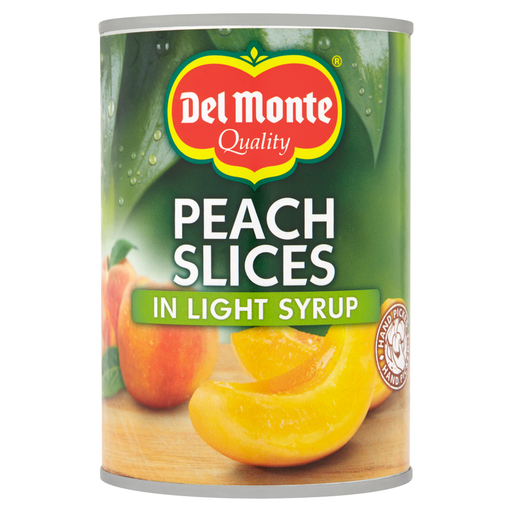 Image unavailable
Del Monte Peach Slices in Light Syrup 420g
This 420g tin is an option for sharing peach slices or planning a later serving. It is packed in light syrup, not juice, so check that this is the variant you want and follow the tin’s instructions for leftovers.
View on Joybuy
 Image unavailable
Del Monte Peach Halves in Juice 415g
Choose between these peach halves and sliced options according to how you want to serve the fruit. This is a 415g tin in juice, so consider who will share it and follow its storage instructions if you keep any remainder.
View on Joybuy
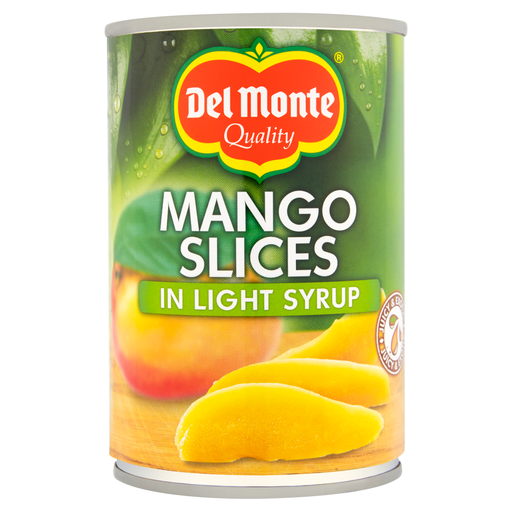 Image unavailable
Del Monte Sliced Mango in Light Syrup 425g
Consider this 425g tin if you want mango slices and can use the larger quantity. The named variant is packed in light syrup rather than juice; transfer and refrigerate leftovers according to its instructions.
View on Joybuy
Questions about tinned fruit
What tin size should I compare for one breakfast?
Start with a smaller tin if you have no use planned for leftovers. Princes Food and Drinks lists 220g peach slices, and Tesco Groceries lists a 227g pineapple tin. A larger tin can still suit one breakfast shop when it will be shared or the remainder can be stored and used as directed.
Is fruit in juice the same variant as fruit in syrup?
No. Juice, syrup and light syrup are distinct packing liquids in the listed products. Read the exact variant name and ingredients, and use the nutrition panel if you want to compare their stated values.
What should I do with fruit left after opening a tin?
Follow the instructions for the product you bought. For Del Monte Pear Halves in Juice, Sainsbury’s instructs shoppers to transfer unused contents to a suitable non-metallic container, cover and refrigerate them, and use them within 3–4 days. Other tins may give different instructions.
Is the best-before date the only label detail to check?
No. Check the date marking and the storage instructions, including what to do after opening. The Food Standards Agency explains that a best-before date concerns quality rather than safety; the tin’s own directions remain important when you expect leftovers.


