What to check before choosing
Decide whether you want to finish one container or divide it. Then compare labels using the amount of fruit and liquid you actually intend to consume.
| Concern |
What to check |
Who this matters to |
| Predictable portions |
Check servings per pack and the energy and sugars for the portion you plan to eat. Compare net and drained weights where shown. |
If I intend to finish a tin in one sitting, I want to know what that whole tin contains before opening it. About 36% of consumers would put a predictable portion first. |
| Packing liquid and nutrition |
Identify juice or syrup in the ingredients, then compare energy and sugars on the same portion basis. |
When choosing between fruit in juice and fruit in syrup, I want the label to show what I would actually consume, not just a front-of-pack description. For about 29% of consumers, comparing the packing liquid and nutrition is the primary need. |
| Leftovers |
Read the after-opening storage instructions and choose a container size you can use within the stated period. |
If I open a large tin for a small portion, I need a practical plan for the rest. Avoiding leftover fruit is the main concern for about 21% of consumers. |
| Finding the intended format |
Confirm whether the listing is one tin, a larger tin or a multipack of pots; check the packing liquid for that exact product. |
When shopping for one tin, I do not want to mistake several small pots for a single can. About 14% of consumers would make finding the intended format their first priority. |
Joybuy fruit selections
These selections include a smaller peach tin, larger juice-packed tins to portion after opening, and individual peach pots as an alternative to a single tin. Compare the format and the nutrition for your planned portion before choosing.
 Image unavailable
Princes Pineapple Chunks With Juice 432g
Consider this larger tin if you intend to divide the pineapple rather than finish it at once. The pack is 432g and says the chunks are with juice; check the label for the nutrition of your chosen portion and how to store any remainder.
View on Joybuy
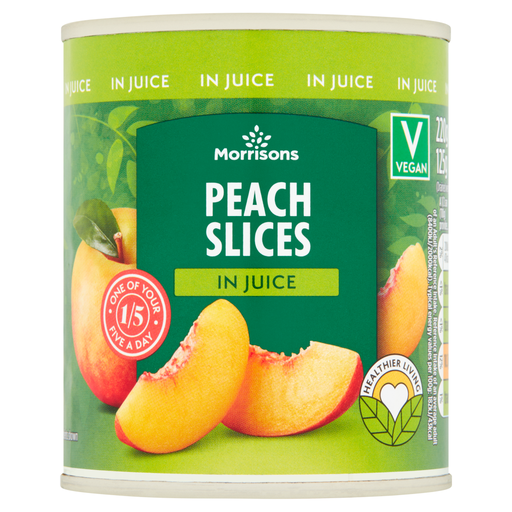 Image unavailable
Morrisons Peach Slices In Juice 220g
This 220g tin is a smaller-tin option if you want to assess one container at a time. It contains peach slices in juice; check whether you plan to eat the whole tin or part of it before using the nutrition panel.
View on Joybuy
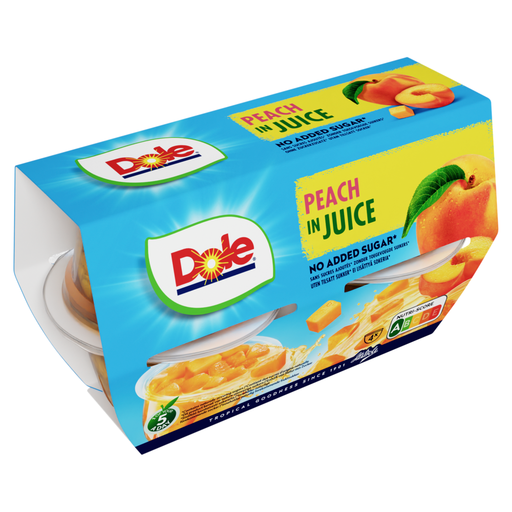 Image unavailable
Dole Peaches In Juice 4 x 113g
Choose this format if separate pots suit you better than opening a tin. It is a multipack of four 113g peach portions in juice, not a single metal tin; use the label for the nutrition of each pot.
View on Joybuy
 Image unavailable
Del Monte Pineapple Slices in Juice 435g
This 435g tin suits a plan to divide pineapple slices over more than one occasion. It is labelled as fruit in juice; decide on your portion and check the pack's nutrition and after-opening instructions.
View on Joybuy
 Image unavailable
Del Monte Peach Halves In Juice 415g
Consider this 415g tin if you want peach halves and are prepared to portion a larger container. It is labelled as fruit in juice; read the nutrition for the amount you intend to eat and plan for any leftovers.
View on Joybuy
Questions about tinned fruit
Is fruit in juice enough to tell me which tin to choose?
No. The NHS advises choosing fruit canned in natural juice rather than syrup, but you still need to read the ingredients and compare energy and sugars for the amount you intend to eat.
Does one small tin count as one fruit portion?
Not necessarily. The NHS describes an adult fruit and vegetable portion as 80g, while Sainsbury's labels its 213g peach tin as one pack serving. Use the pack serving for its nutrition information and decide separately how much fruit you want from it.
Should I include the juice when comparing nutrition?
Use figures that match what you plan to consume. If you eat or drink both the fruit and liquid, check the nutrition basis for that amount; if you discard the liquid, do not assume whole-pack figures describe the drained fruit alone.
What should I do with fruit left after opening a tin?
Follow that product's after-opening instructions, including its directions for transferring, refrigerating and using the contents. Check these before choosing a large tin if you expect to eat only part of it.
What if the online listing and the tin label differ?
Check the label on the product you receive before relying on its ingredients, serving size or nutrition. GOV.UK says food labels must carry required information and be accurate and not misleading; the physical pack gives you the details for that item.


