Batch pastry bakers
If several people need turnovers ready together, look beyond the number of cooking modes. Tray space and dependable browning matter more; Which? assesses heat distribution and temperature accuracy when testing built-in ovens.


Choose a built-in single oven if you regularly bake full trays and have suitable kitchen housing; consider a double oven when separate cooking space matters, or a countertop oven for occasional small batches where installation is impractical. For fruit turnovers, compare independent evidence on heat distribution and temperature accuracy, then check the exact model’s usable tray space, electrical connection and cleaning instructions.
If several people need turnovers ready together, look beyond the number of cooking modes. Tray space and dependable browning matter more; Which? assesses heat distribution and temperature accuracy when testing built-in ovens.
For occasional small batches, a countertop oven may avoid a built-in installation. Check its usable tray space before choosing one: Which? identifies mini ovens as an option for limited living space, while cavity sizes vary by model.
If fruit filling and pastry residue make cleaning a priority, compare the exact model’s cleaning method. Bosch describes pyrolytic cleaning on selected ovens, but a cleaning feature does not establish how evenly an oven bakes.
Choose it when: You regularly bake a full tray and have suitable permanent kitchen housing.
Allow for: Cabinet fit and the exact model’s electrical connection requirements.
Choose it when: You often need separate space for turnovers and another dish.
Allow for: A larger built-in installation; two cavities alone do not establish baking consistency.
Choose it when: You make small batches occasionally and cannot accommodate a built-in oven.
Allow for: Potentially limited tray space, even where the appliance fits on your worktop.
Whichever format fits your kitchen, judge the baking space and model-specific performance against the batch you plan to make.
| Concern | What to check | Who this matters to |
|---|---|---|
| Even browning | Look for independent heat-distribution and temperature-accuracy results for the exact model; a fan setting alone is not proof. | I want the turnovers across my tray to brown dependably, rather than relying on a cooking-mode name. Around 33% of consumers put consistent baking first. |
| Batch space | Compare your intended tray with the usable cavity dimensions, shelf positions and supplied accessories. | If I need enough turnovers for a group, the number I can bake together matters more than headline cavity capacity. Batch space comes first for around 27% of consumers. |
| Kitchen fit and connection | Check installation dimensions and the exact model’s plug or hard-wiring instructions. Electrical Safety First notes that connection requirements differ between ovens. | My kitchen needs to accommodate the oven and its electrical connection before I can use it. Around 27% of consumers prioritise space and installation fit. |
| Cleaning effort | Confirm the model’s cleaning method and any preparation or accessory-removal steps in its manual. | After baking with fruit filling, I would rather spend less time dealing with residue. For around 13% of consumers, cleaning effort is the main consideration. |
Which? assesses heat distribution and temperature accuracy separately when testing built-in ovens; the presence of a fan does not settle either question for a particular model.
Check independent results for the oven you intend to buy before relying on a cooking-mode label.
Electrical Safety First says some ovens have a standard plug and fuse, while others need hardwiring into a dedicated circuit. NEFF specifies electrician connection for its B3ACE4AG3B.
Read the exact model’s installation instructions and seek professional advice if the required connection or existing circuit is unclear.
Depending on the appliance and your kitchen, installation may involve electrician work or changes to the electrical setup.
A compact appliance may still be too small for your intended tray. De'Longhi specifies a 12-litre internal volume for its EO12012, illustrating why exterior fit and baking space are different checks.
Compare the tray you plan to use with the exact oven’s internal dimensions, rack positions and supplied accessories.
A cleaning function has model-specific preparation steps and does not replace safe handling of the oven and its accessories.
Follow the model manual for cleaning cycles. For manual cleaning, Bosch advises switching the oven off and letting it cool first.
A reference point for built-in single and double ovens.
A built-in option for buyers comparing model-specific multi-level baking features.
Relevant when comparing built-in ovens with airflow and cleaning features.
A countertop route for kitchens where a built-in appliance is impractical.
These built-in ovens are options to examine if a permanent kitchen installation suits your picnic baking. Compare each exact model’s usable tray space, baking evidence and installation instructions before choosing.
 No image available
Consider this single oven if you have space for a built-in appliance and want to bake a tray of turnovers. Compare your tray with its usable cavity and check independent baking results and the installation instructions.
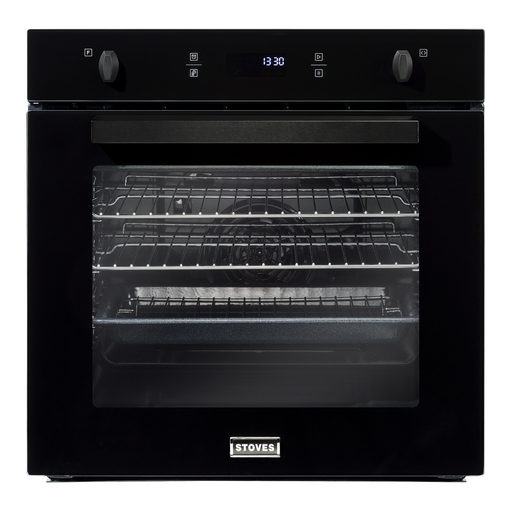 No image available
Consider this model only after confirming that its oven format fits the cooking space you need: the available product information describes it inconsistently as single and double. Check the exact cleaning system, cabinet fit, tray space and connection instructions as well.
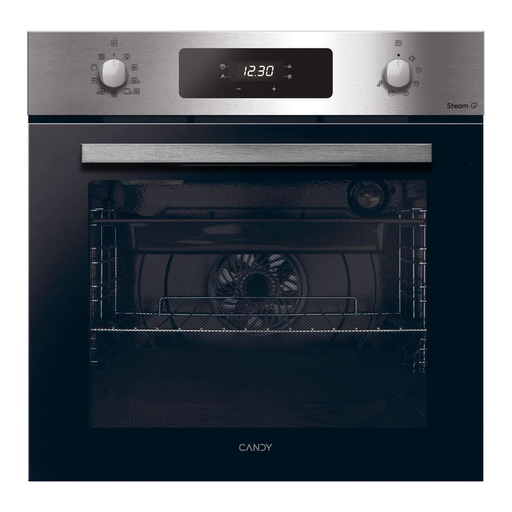 No image available
This built-in single oven may suit regular batches where cleaning fruit-filling residue is also a consideration. Its title specifies pyrolytic cleaning; check the manual’s cycle preparation steps, along with usable tray space, baking results and electrical requirements.
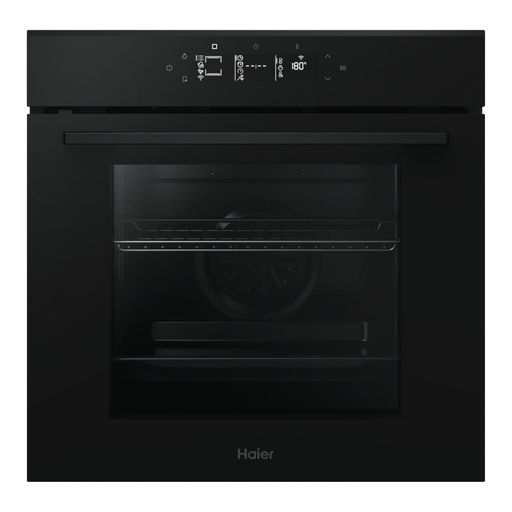 No image available
Consider this 70 L built-in model if you want to assess a single-oven batch against your intended tray. Check independent baking results and the usable cavity dimensions; also confirm the maximum temperature, as the available product information gives conflicting figures, and follow the exact installation instructions.
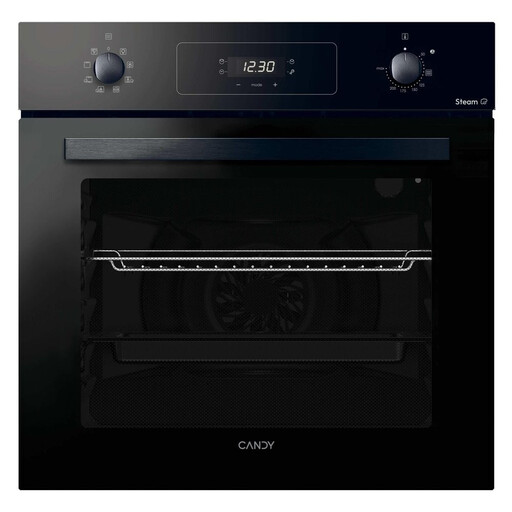 No image available
This 65 L built-in single oven is an option if its usable tray space accommodates your turnover batch. Check independent baking results and the cleaning instructions, and confirm its electrical connection method before ordering.
No: a fan setting does not by itself establish even browning. Which? tests built-in ovens for heat distribution and temperature-control accuracy, so compare results for the exact model where available.
That depends on the oven’s specified connection and your existing circuit. Electrical Safety First says some ovens use a standard plug and fuse while others need hardwiring into a dedicated circuit; read the model’s installation instructions and consult a qualified electrician if you are unsure.
No. A pyrolytic cycle still has model-specific preparation steps, and residue may need wiping away afterwards. Follow the oven manual; for manual cleaning, Bosch advises that the oven should be switched off and cool.
Yes, registration helps the manufacturer contact you about a fault or safety issue, according to Electrical Safety First. Keep the model and serial number to hand when registering.