What matters when choosing?
For fruit turnovers in a shared kitchen, establish where the oven can be fitted and whether one cavity can cover the cooking schedule. Then compare the space available for trays, baking controls and cleaning arrangements.
Built-in single fan oven
Choose when: One cavity can accommodate the planned batches and other users can work around the baking time.
Trade-off: It cannot provide a separate oven cavity when cooking schedules clash; a fan setting alone does not establish even browning.
Double oven
Choose when: Separate cooking times or another dish regularly call for a second cavity.
Trade-off: The housing must suit the particular double-oven format, and its main cavity is not necessarily larger than a single oven’s.
| Concern |
What to check |
Who this matters to |
| Consistent batches |
Look for relevant independent heat-distribution and temperature-control findings; check the timer and intended tray arrangement. |
If I bake repeated trays, I want results I can plan around rather than relying on a fan label. Around 28% of consumers would put batch consistency first. |
| Fit and installation |
Compare the model’s installation drawing with the cabinet opening, ventilation provisions and electrical arrangement. |
Before committing to an oven in a shared kitchen, I need to know it can be fitted and connected in the available space; roughly 28% of consumers would make that their primary concern. |
| Cleaning between uses |
Review the cleaning method and removable parts; for food-business use, plan separate cleaning and allergen-management procedures. |
When several people use the oven, I need a workable way to leave it ready for the next person. Around 22% of consumers would prioritise cleaning and shared-use hygiene. |
| Access and capacity |
Check the number of cavities, main-cavity shelf layout and whether your turnover trays fit. |
If other dishes compete for oven time, I need enough access to complete my batches without blocking the kitchen; about 22% of consumers would put access and capacity first. |
Joybuy oven choices
These Joybuy choices include single built-in ovens for kitchens where one cavity can cover turnover batches, plus a built-in double oven for separate cooking schedules. Check each model’s housing and installation instructions before deciding which format suits the shared space.
 No image available
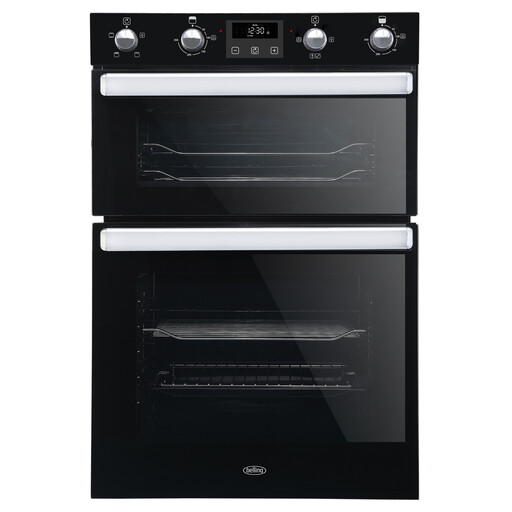
Belling BEL BI902FP Built-In Double Electric Oven, Black
The double-oven arrangement is worth considering when kitchen users need separate cooking schedules. Check that the intended eye-level housing and electrical arrangement suit this built-in model; do not assume it fits a built-under opening.
View on Joybuy
 No image available
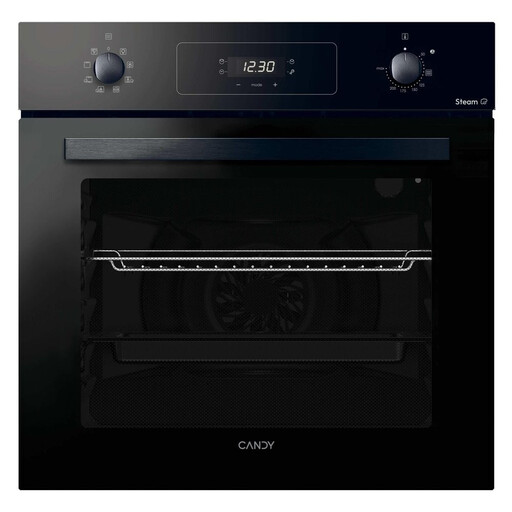
Candy FIDCN605 65L Built-In Single Electric Oven, Black
If one cavity can cover your turnover batches, compare the usable shelf and tray layout with your planned batch size. This is a 65 L built-in single oven; check its cabinet opening, ventilation and electrical instructions for the shared kitchen.
View on Joybuy
 No image available
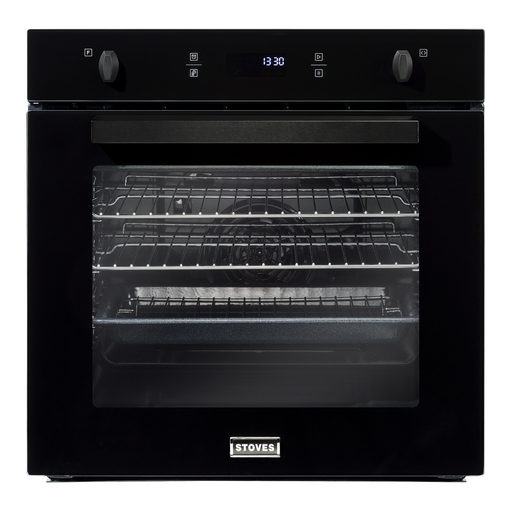
ST SEB602PY 60cm Pyrolytic Built-In Single Oven, Black
This single-oven option is relevant when cleaning cooking residue between shared uses is a priority. Its title identifies a 60 cm format and pyrolytic cleaning; check the usable cavity, installation opening and electrical requirements before choosing it. Cleaning cycles do not replace allergen procedures for food-business use.
View on Joybuy
 No image available
Bosch HHF113BA0B Series 2 Built-In Single Electric Oven, Black
For batches cooked in one cavity, compare the shelf layout with your turnover trays and check independent baking findings where available. Confirm the timer function you need, the cabinet opening and the electrical connection in this model’s instructions.
View on Joybuy
 No image available
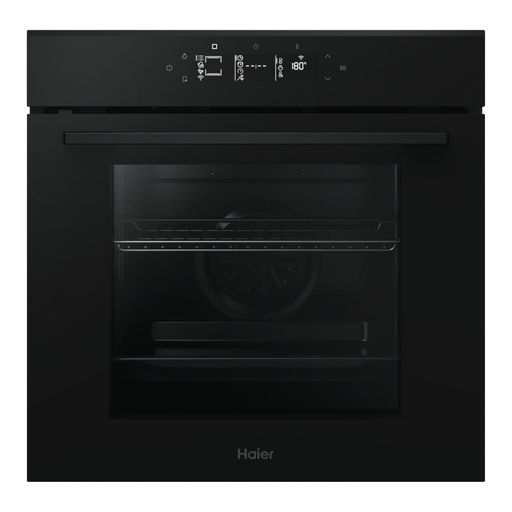
Haier H6 ID25G3HTB2 Series 6 70L Built-In Smart Oven, Black
The stated 70 L capacity gives you a starting point for batch planning, but check whether your trays fit the shelf layout. Confirm the required temperature range and timer functions against this model’s instructions before arranging shared-kitchen baking.
View on Joybuy
Frequently asked questions
Do I need a fan oven for fruit turnovers?
A fan oven is a practical option for repeated tray baking, but the fan setting alone does not establish even results. Which? assesses oven heat distribution and temperature-control accuracy; compare model-specific findings where available and try a small batch before relying on a new oven for a larger run.
When does a double oven make sense in a shared kitchen?
A double oven makes sense when separate cooking schedules or simultaneous dishes regularly justify a second cavity. If one cavity covers the expected turnovers, a single oven may suffice; in either case, compare the actual tray layout and installation opening rather than assuming the double oven has a larger main baking space.
What should I check before installing an oven in a shared workplace kitchen?
Check premises approval, the model’s cabinet and ventilation instructions, and its electrical connection requirements before ordering. The Health and Safety Executive says employers sharing a workplace must co-ordinate health-and-safety measures; connection requirements also vary by appliance.
Do food-business rules apply if I only bake turnovers for colleagues?
Informal personal sharing is not automatically the same as operating a food business. If the activity is a food business, check registration with the local authority before starting: the Food Standards Agency advises doing so at least 28 days before trading or food operations begin, while Food Standards Scotland states at least 28 days before opening in Scotland. Ask the local authority if the status of the activity is unclear.
Does a self-cleaning oven take care of allergens in turnovers?
No cleaning programme replaces effective allergen management when turnovers are supplied through a food business. Food Standards Scotland notes that high-temperature cooking does not remove allergens; follow appropriate cleaning, separation, storage and allergen-information practices for the business and its location.


