Hosts serving an alternative to black tea
A fruit infusion can offer a different flavour alongside scones, jam and clotted cream. If avoiding caffeine matters, check the statement on the exact blend you plan to serve.


For a cream tea, choose a tart berry infusion if you want a bright contrast to scones, jam and clotted cream; choose apple and cinnamon if you would rather serve a warmer spice flavour. A mixed selection gives guests a choice, but check the ingredients and caffeine information for each blend rather than assuming every fruit tea is alike.
The useful starting point is whether guests want one shared flavour, a choice of flavours or a particular ingredient profile.
A fruit infusion can offer a different flavour alongside scones, jam and clotted cream. If avoiding caffeine matters, check the statement on the exact blend you plan to serve.
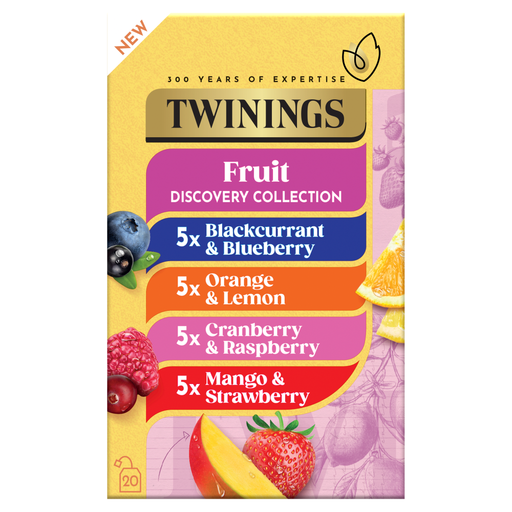
An assortment lets guests choose between fruit flavours. Twinings describes its Fruit Discovery Collection as four flavours supplied in individually sealed envelopes.
Read each blend’s ingredient list, particularly if liquorice root or another botanical matters to someone at the table. The flavours in an assortment need not share the same ingredients.
Decide on the flavour direction, then check the exact pack for serving requirements and ingredients.
| Priority | What to check | Your needs |
|---|---|---|
| Flavour | Look for the named fruits and botanicals, and read the maker’s flavour description. Teapigs calls Super Fruit tart; Twinings describes Cranberry & Raspberry as fresh and bright. Pukka’s Wild Apple & Cinnamon takes an apple-and-spice direction. | I would like a sharper drink alongside jam and cream, or I would rather offer a warm spice flavour than a tart berry one. |
| Guest choice | Compare a single blend with a mixed box. Check the named flavours and whether guests can identify the ingredients of each one. | Several people will be choosing a drink, and I do not want to commit everyone to the same fruit flavour. |
| Caffeine | Check the caffeine statement and ingredient list for the exact blend. Pukka describes Wild Apple & Cinnamon as naturally caffeine-free; a fruit-flavoured name alone does not establish this for another product. | I want an alternative to conventional tea leaves later in the day, so the caffeine information on the pack matters to me. |
| Ingredients | Read the full ingredient and allergen information for each flavour, especially in an assortment. Check for liquorice root where it is relevant to the drinker. | Before serving guests, I need to know what is in the particular infusion they choose. |
Teapigs describes Super Fruit as tart, while Pukka’s Wild Apple & Cinnamon combines fruit with warming spice. A fruit-tea label alone will not tell guests which flavour direction they are getting.
Choose between a tart berry blend, an apple-and-spice blend and a selection of flavours before settling on a pack.
Liquorice root appears in some fruit infusions. The British Heart Foundation says glycyrrhizin in liquorice can raise blood pressure and notes that herbal teas may contain it.
Check the exact blend’s ingredients. If liquorice is a concern for you or a guest, seek advice from a pharmacist or clinician about a suitable choice.
Twinings’ four-flavour Fruit Discovery Collection contains distinct blends. A guest choosing citrus may need different ingredient information from someone choosing berries.
Keep the individual envelopes or ingredient information available so guests can check their chosen flavour.
These examples illustrate different fruit-infusion styles; the flavour and ingredient details apply to the named products, not every tea made by each brand.
Its Fruit Discovery Collection offers a way to serve several fruit flavours at one table.
Organic Blackcurrant & Blueberry is an option for a dark-berry flavour direction.
Wild Apple & Cinnamon offers an apple-and-spice direction rather than a berry-led one.
Super Fruit is a berry infusion that Teapigs describes as tart.
These options cover a mixed fruit selection and a separate berry-named infusion. Check each pack against your guests’ flavour and ingredient needs.
 No image available
A mixed selection for guests who want a choice: the Joybuy product description names Cranberry & Raspberry, Mango & Strawberry, Blackcurrant & Blueberry, and St Clements. Check the ingredients of each flavour, particularly if a guest needs to avoid liquorice root, and confirm the caffeine information on the exact pack if that matters.
 No image available
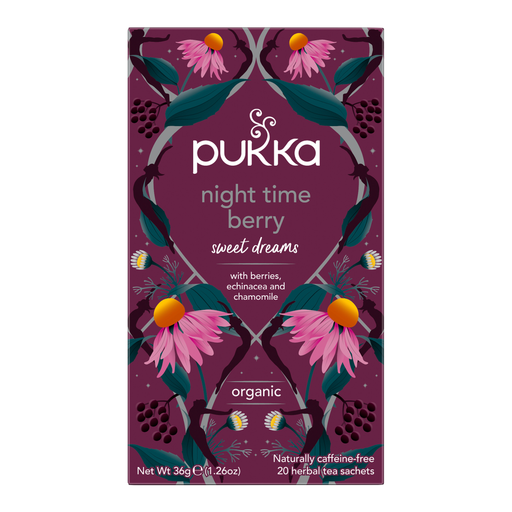
A berry-named sachet option if guests prefer one blend to an assortment. Check the pack’s ingredients, brewed-flavour description and caffeine information before choosing it for a cream tea; its name alone does not settle those questions.
Choose a berry blend if you want a brighter or tart fruit flavour beside the scones: Twinings describes Cranberry & Raspberry as fresh and bright, and Teapigs calls Super Fruit tart. Pukka’s Wild Apple & Cinnamon is an alternative when you would rather serve apple and warming spice.
No: check the caffeine information and ingredients on the exact product instead of relying on its fruit-flavoured name. Pukka describes Wild Apple & Cinnamon as naturally caffeine-free, but that statement does not establish the status of another blend.
Some fruit infusions contain liquorice root, and the British Heart Foundation says its glycyrrhizin can raise blood pressure. Read the individual blend’s ingredients and, if this is relevant to a guest’s circumstances or medicines, ask a pharmacist or clinician for advice.
Read the ingredient and allergen information on the exact pack you serve, including each flavour in a selection box. The pack is especially important to check if you previously viewed a product listing or bought an earlier version of the blend.