Morning-break drinkers avoiding caffeine
Look for an explicit naturally caffeine-free claim on the individual fruit or herbal infusion, then read its ingredients rather than relying on the category name.


Choose a fruit or herbal infusion explicitly labelled naturally caffeine-free if avoiding caffeine matters more than retaining the taste of conventional tea. Choose decaffeinated black tea if you prefer a tea-leaf drink while reducing caffeine; check the exact pack before buying, because a fruit-tea name or the word “decaf” alone does not establish that a drink is caffeine-free.
Look for an explicit naturally caffeine-free claim on the individual fruit or herbal infusion, then read its ingredients rather than relying on the category name.
Check the claim on the exact blend. Twinings labels its Cranberry & Raspberry infusion sugar-free and naturally caffeine-free; those claims should not be assumed for other fruit teas.
Check the botanical ingredients as well as the caffeine wording. NHS pregnancy guidance advises avoiding teas containing liquorice root and drinking no more than four cups of herbal tea a day.
Decide whether caffeine avoidance or a familiar tea-leaf flavour matters more, then check the claims and ingredients on the particular pack.
| Priority | What to check | Your needs |
|---|---|---|
| Caffeine wording | Look for “naturally caffeine-free” on a fruit or herbal infusion. Do not treat “decaffeinated” on tea made from tea leaves as the same claim. | I want to avoid caffeine in my morning cup, rather than simply choose a drink with less of it. |
| Drink style | Read the blend name and ingredients to distinguish a fruit or herbal infusion from decaffeinated black tea. Clipper describes Everyday Decaf as black tea blended with Assam. | A fruity cup appeals more than a conventional tea-leaf taste—or I would rather keep the familiar black-tea profile. |
| Ingredients and claims | Check the full ingredient list, including any herbs or roots, and read sugar claims on the exact product. Twinings labels Cranberry & Raspberry sugar-free, but that does not describe every blend. | I want to know what gives the drink its flavour and whether this particular pack makes the sugar claim I am looking for. |
| Suitability | Check for ingredients you need to avoid. During pregnancy, NHS guidance advises avoiding liquorice-root teas and limiting herbal tea to no more than four cups a day. | If I am pregnant or need to avoid a particular botanical ingredient, the fruit-tea name is not enough to choose safely. |
| Preparation | Check whether the product uses bags or loose tea, and read its stated water quantity and brewing time where given. | For a short break, I would rather know how many steps making the cup involves before choosing a format. |
Decaffeinated leaf tea and a naturally caffeine-free fruit infusion answer different needs. The word “decaf” is not, by itself, a zero-caffeine claim.
If caffeine avoidance is your priority, check for an explicit naturally caffeine-free statement and read the infusion’s ingredients.
A fruit-flavoured blend can also contain roots or other botanicals. Twinings Cranberry & Raspberry includes liquorice root; NHS pregnancy guidance advises avoiding teas containing it.
Read the ingredient list on the exact pack, particularly if an ingredient affects your choice.
Fruit and herbal infusions offer a different flavour profile from tea made with black-tea leaves.
Choose by the cup you want: a fruit-led infusion, or decaffeinated black tea for a conventional tea-leaf profile.
Its UK range includes fruit infusions as well as a separate decaffeinated-tea route.
Pukka offers fruit and herbal blends; its Elderberry & Echinacea product is described as a naturally caffeine-free fruit tea.
Clipper’s Everyday Decaf is an option for shoppers seeking decaffeinated black tea rather than a fruit infusion.
These options include herbal infusions, a berry-and-herb blend and decaffeinated black tea. Their ingredients and caffeine wording matter more to this choice than the word “tea” in the product name.
 No image available
Consider this for a soursop-leaf herbal infusion rather than a fruit blend. The listing describes it as caffeine-free; check the ingredients and pack guidance if the exact blend’s suitability matters to you.
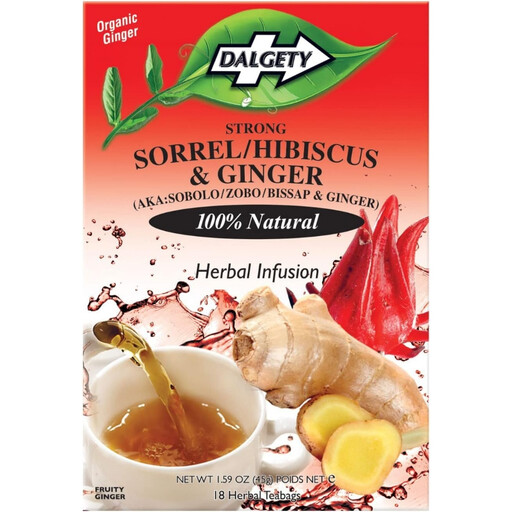 No image available
Consider this herbal infusion if a tart hibiscus profile appeals. The listing describes it as caffeine-free; its loose-tea preparation involves measuring and straining, which adds steps to a short break.
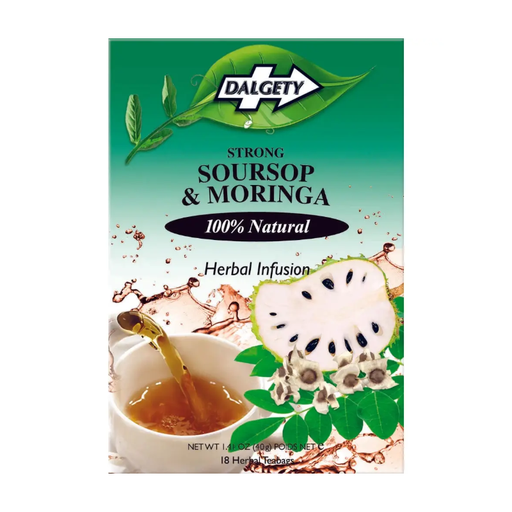 No image available
Consider this for a portioned herbal drink rather than a fruit-led blend. The listing describes the soursop-and-moringa-leaf infusion as caffeine-free; check the pack’s brewing directions if preparation time matters.
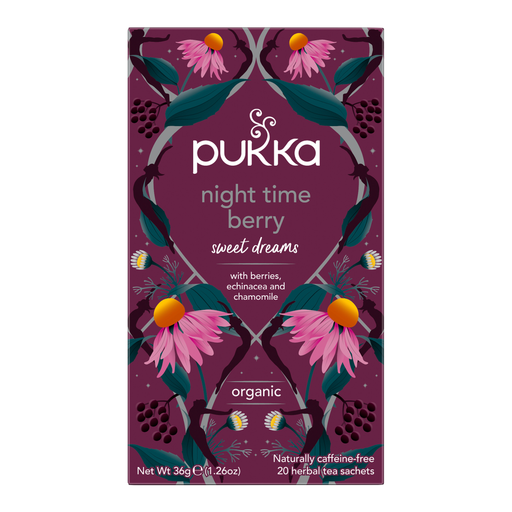 No image available
Consider this if a berry-and-herb blend interests you, but check this exact pack for a caffeine-free claim before choosing it to avoid caffeine. Its listed ingredients include liquorice root, which NHS pregnancy guidance advises avoiding in tea.
 No image available
Choose this route if you want decaffeinated black tea rather than fruit flavour. The decaf wording describes caffeine reduction, not a naturally caffeine-free fruit infusion.
No. Decaf describes tea that has been decaffeinated; it is not itself a caffeine-free claim. If avoiding caffeine is the priority, choose a fruit or herbal infusion explicitly labelled naturally caffeine-free and check its ingredients.
Check the caffeine wording, ingredients, bag or loose-tea format and brewing directions. A bag may involve fewer preparation steps than loose tea that needs measuring and straining, but follow the method stated for the product you choose.
No; check the exact ingredients rather than relying on the fruit-tea name. NHS pregnancy guidance advises avoiding teas containing liquorice root and drinking no more than four cups of herbal tea a day. Twinings Cranberry & Raspberry, for example, contains liquorice root.
Read the ingredient and allergen information on the exact product before buying, and check it again if the recipe or packaging changes. A blend’s flavour name does not list every botanical ingredient it contains.