For a guest who wants to avoid caffeine, choose a fruit or herbal infusion explicitly described as naturally caffeine-free, and check the individual blend: Twinings notes that mate and guarana are exceptions that contain caffeine. If a guest would rather have the familiar taste of black or green tea, decaffeinated tea is another option, but it can retain traces of caffeine.
Who is this for?
Hosts offering an alternative to coffee
A fruit-led infusion gives guests a different flavour choice. Twinings describes its fruit and herbal infusions as naturally caffeine-free and gives hot and iced directions for its Strawberry & Raspberry blend.
Guests comparing caffeine claims
Someone avoiding caffeine may prefer an infusion explicitly labelled naturally caffeine-free. Someone who mainly wants a familiar tea taste may prefer decaffeinated black or green tea, while accepting that traces of caffeine can remain.
Shoppers checking ingredients for guests
Fruit and herbal blends can contain different botanicals. Checking the exact pack matters when guests have ingredient preferences or need to know what is in the drink.
What should you check?
Naturally caffeine-free infusion
Choose it when: Avoiding caffeine matters more than serving a conventional tea flavour.
Bear in mind: Fruit and herbal blends vary in flavour and ingredients; check for exceptions such as mate or guarana.
Decaffeinated black or green tea
Choose it when: A guest prefers a familiar black- or green-tea drink while reducing caffeine.
Bear in mind: Twinings explains that decaffeinated tea can retain traces of caffeine.
Once you know which kind of drink guests would welcome, check the caffeine statement, ingredients and serving directions on the particular pack.
| Priority |
What to check |
Your needs |
| Caffeine status |
Look for an explicit naturally caffeine-free statement if a guest is avoiding caffeine. Check the ingredients for mate or guarana; do not treat a decaf claim as the same thing. |
I want to offer a drink to someone avoiding caffeine while others have coffee. |
| Flavour and serving |
Compare berry, citrus and more botanical blends. Follow the particular pack's hot or cold preparation directions rather than assuming every infusion can be made the same way. |
A fruity drink would suit some guests, but others may prefer a familiar decaf tea. If serving it cold matters, I need directions for that blend. |
| Ingredients |
Read the full ingredients list and any applicable allergen information. Clipper lists liquorice root in its Berry Burst and Lemon & Ginger infusions, showing why flavour names alone are not enough. |
Before sharing a flavoured drink, I want to know which herbs and other botanicals it contains. |
| Pack format |
Compare the number of bags or envelopes with how often you expect to serve the blend. Twinings lists Strawberry & Raspberry in a 20-bag pack; Clipper lists Berry Burst in a 250-envelope catering format. |
For an occasional gathering, I would rather establish whether guests like a flavour before choosing a large box. |
Common buying mistakes
-
Treating decaf and naturally caffeine-free as identical
Decaffeinated conventional tea can retain traces of caffeine. Twinings also notes that some fruit or herbal blends contain naturally caffeinated mate or guarana.
For a guest avoiding caffeine, check that the particular product is described as naturally caffeine-free, then read its ingredients.
-
Choosing from the flavour name alone
Berry and citrus infusions can include herbs and other botanicals. Clipper, for example, lists liquorice root in both its Berry Burst and Lemon & Ginger blends.
Compare the ingredients of the exact blend with what your guests would be comfortable drinking.
-
Buying a large box before trying the blend
Clipper lists Berry Burst in a 250-envelope catering format, whereas Twinings lists Strawberry & Raspberry in a 20-bag pack. The larger format is a substantial commitment to one flavour.
For occasional gatherings, consider a smaller pack before choosing a catering format.
If guests do not enjoy the chosen blend, a large box may leave more unused envelopes.
Brand references for these drink choices
These brand examples illustrate different infusion styles; check the individual product rather than applying a range-wide description to every blend.
Twinings
Twinings distinguishes its naturally caffeine-free fruit and herbal infusions from its decaffeinated conventional teas.
- Twinings gives both hot and iced preparation directions for Strawberry & Raspberry.
- Its decaffeinated tea is a different choice from a naturally caffeine-free infusion; check which claim appears on the particular pack.
Pukka
Pukka describes its Elderberry & Echinacea fruit tea as naturally caffeine-free and says its products are certified organic.
- Elderberry & Echinacea offers a botanical fruit-infusion option.
- Check the individual blend's ingredients and flavour before choosing it for guests who expect a straightforward berry drink.
Clipper
Clipper lists naturally caffeine-free berry and citrus infusions, as well as rooibos for a different kind of drink.
- Its Berry Burst is listed in a 250-envelope format for those who regularly serve the same blend.
- Berry Burst and Lemon & Ginger both list liquorice root; Clipper's single-ingredient rooibos is not a fruit infusion.
Joybuy drink options
These Joybuy options are fruit and herbal infusions for offering alongside coffee, including berry, citrus and leaf-based choices. They are not a selection of decaffeinated black or green teas.
 No image available
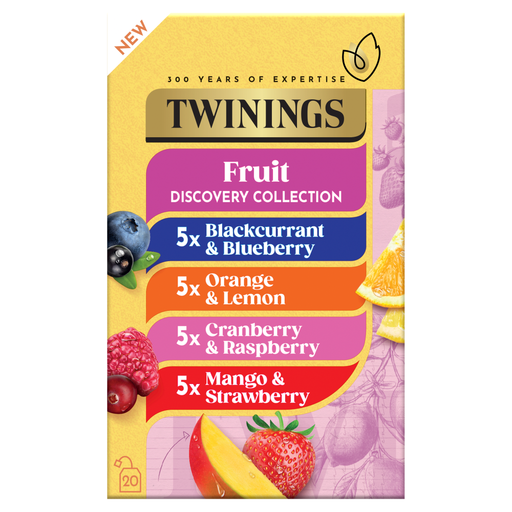
Twinings Fruit Selection, 20 tea bags, 40g
A fruit selection to consider when guests would welcome a choice of flavours; the product description calls these infusions naturally caffeine-free. Check the individual blend's ingredients and follow its preparation directions if you plan to serve it cold.
View on Joybuy
 No image available
Twinings Lemon & Ginger, 20 tea bags
Consider this citrus-and-ginger option for guests who would rather have a herbal infusion than a berry flavour. Its product description calls it naturally caffeine-free; follow the pack's directions when serving it.
View on Joybuy
 No image available
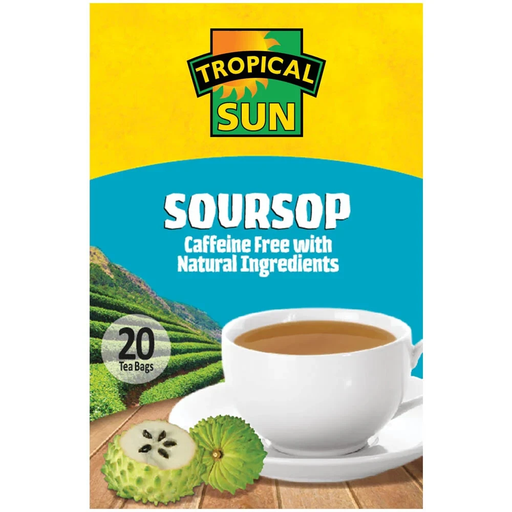
Tropical Sun Soursop Tea, 20 tea bags
This is a choice for guests open to a soursop-leaf infusion rather than a fruit-flavoured blend. The product description calls it caffeine-free and gives separate hot- and cold-brewing directions.
View on Joybuy
 No image available
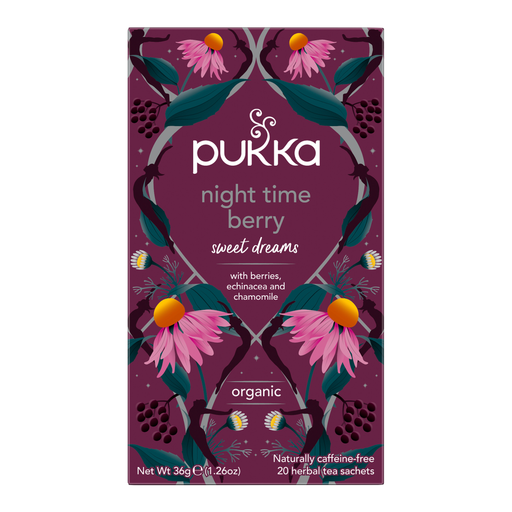
Pukka Night Time Berry Organic, 20 sachets, 36g
A berry-and-botanical option for guests who welcome a more varied ingredient blend. Check the current pack for its caffeine status before serving it to someone avoiding caffeine, and review the ingredients rather than assuming it contains only berries.
View on Joybuy
 No image available
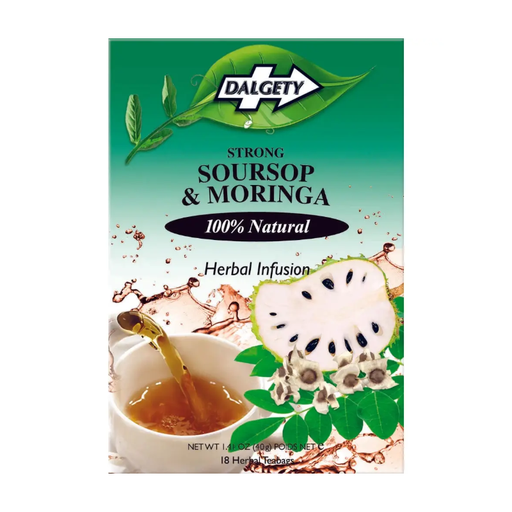
Dalgety Soursop & Moringa Tea, 40g
Consider this for guests who want a leafy herbal drink rather than a fruit-flavoured tea. The product description calls it caffeine-free; check the pack's brewing directions before preparing it for a group.
View on Joybuy
Questions about fruit tea and decaf
Is fruit tea the same as decaffeinated tea?
No. A fruit or herbal infusion without conventional tea leaves is generally naturally caffeine-free, whereas decaffeinated black or green tea has undergone a process to remove caffeine and can retain traces. Twinings notes that mate and guarana are exceptions to check for in fruit and herbal blends.
What could I offer a guest who wants to avoid caffeine?
Choose a blend explicitly described as naturally caffeine-free and check its ingredients. Twinings Strawberry & Raspberry is one example for which the brand gives a naturally caffeine-free statement and both hot and iced serving directions.
Can decaf tea still contain caffeine?
Yes. Twinings says its decaffeinated teas can retain a small amount of caffeine and describes its range as decaffeinated to 0.2%. If a guest's priority is avoiding caffeine, check an explicitly naturally caffeine-free infusion instead.
What should I read on a packaged fruit infusion?
Start with the ingredients and any applicable allergen information, then check the caffeine statement and preparation directions for that product. UK food-labelling guidance from the Department for Environment, Food & Rural Affairs and the Food Standards Agency requires an ingredients list for pre-packed food; blends sold under similar fruit-flavour names can still contain different botanicals.


