A reliable frying pan is the cornerstone of any kitchen, yet finding the right one can be a challenge. From food that sticks to surfaces that scratch after a few uses, a poor-quality pan can make cooking a chore. Whether you're flipping pancakes, searing a steak or sautéing vegetables, the pan you use directly impacts the result.
This guide is designed to cut through the marketing clutter. We'll walk you through the key considerations for choosing a new frying pan and share some of our top recommendations to help you find a pan that suits your cooking style, hob type and daily needs.
Your Frying Pan Buying Guide
Before you decide, it's helpful to understand a few key features. Focusing on material, hob compatibility and practical features will ensure you make a choice you're happy with for years to come.
1. Material Matters: Non-Stick, Stainless Steel or Ceramic?
The cooking surface is the most important feature of a frying pan. Each material offers distinct advantages.
- Non-Stick Frying Pan: Ideal for everyday cooking and delicate foods like eggs, fish and pancakes. A quality non-stick frying pan allows for easy food release and requires less oil, making cleanup simpler. Modern coatings are often designed for durability and are made without PFOA or PFAS.
- Stainless Steel Frying Pan: Favoured by many cooking enthusiasts, an uncoated stainless steel frying pan excels at high-heat searing, creating a perfect crust on meats. It's exceptionally durable and allows for the development of a 'fond'—the browned bits at the bottom of the pan that are essential for making rich pan sauces. This type requires a bit more technique to prevent sticking.
- Ceramic Frying Pan: This is a type of non-stick surface made with a sol-gel coating derived from sand. A ceramic frying pan is known for being free from chemicals like PFAS and PFOA. It provides good non-stick performance and is a popular choice for health-conscious cooks.
2. Hob Compatibility and Oven Safety
With modern kitchens come modern appliances. It's crucial to match your pan to your hob.
- Induction Hobs: If you have an induction hob, you must use an induction frying pan. These pans have a magnetic base that allows them to work with the hob's technology. Always check the product description or look for the induction symbol (a coil-like icon) on the packaging or base of the pan.
- Oven Use: An oven safe frying pan adds great versatility to your cooking, allowing you to start a dish on the hob and finish it in the oven. Pay attention to the maximum oven-safe temperature and check that the handle is also made from an oven-proof material like stainless steel or heat-resistant silicone.
Top Product Recommendations
Here are a few standout frying pans that cater to different needs and cooking styles, selected for their features and performance.
Tefal Titanium Force Frying Pan 28cm
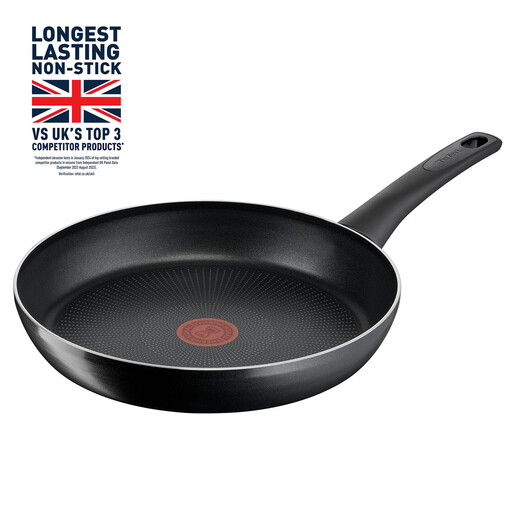
- Why It Stands Out: This Tefal pan is a reliable workhorse for daily cooking. Its titanium-reinforced non-stick coating is designed for durability and longevity, ensuring food slides out easily time after time. The aluminium body provides excellent, even heat distribution, preventing hot spots that can lead to unevenly cooked food.
- Pros:
- Durable, titanium-reinforced non-stick surface.
- Generous 28cm size is perfect for family meals.
- Lightweight and easy to handle.
- Who is it for? Anyone seeking a dependable, large-capacity non-stick pan for everyday frying, sautéing and general meal preparation.
Circulon ScratchDefense Aluminium Non-Stick Induction Frying Pan - 25cm
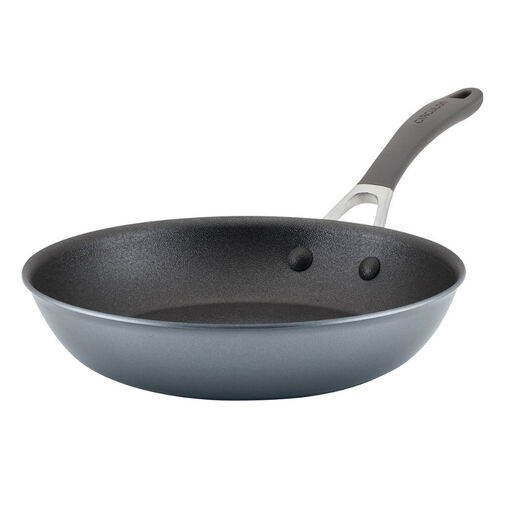
- Why It Stands Out: If durability is your top priority, this scratch resistant pan from Circulon is a compelling option. According to Circulon's own laboratory tests, its non-stick technology is engineered to withstand significant wear. It is also metal utensil safe, a feature not common in many non-stick pans. Its solid stainless steel base makes it suitable for all hobs, including induction.
- Pros:
- Engineered for extreme scratch resistance.
- Induction compatible and oven safe up to 200°C.
- Dishwasher safe for convenient cleaning.
- Who is it for? The home cook who uses their non-stick pan frequently and wants a premium, long-lasting option that can withstand the rigours of a busy kitchen.
Prestige Made to Last Stainless Steel Uncoated Induction Frying pan - 29cm
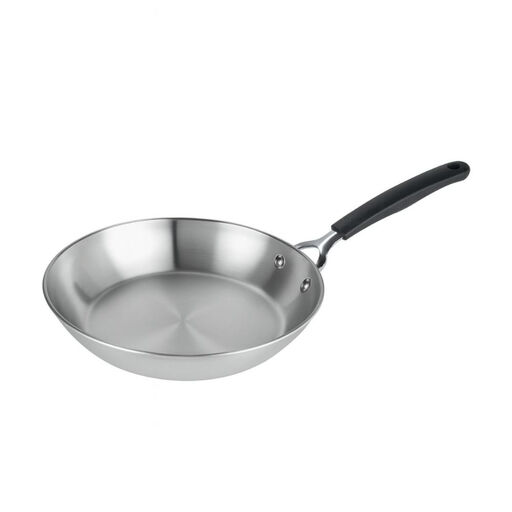
- Why It Stands Out: This pan is for those who love the control and searing power of traditional cookware. Made entirely from polished stainless steel without any coating, it's built for high-heat cooking. It's the perfect tool for achieving a deep, flavourful crust on steaks and for deglazing to create professional-quality pan sauces.
- Pros:
- Durable 100% stainless steel construction for superior heat control.
- Compatible with all hobs, including induction.
- Oven safe up to 180°C, allowing for hob-to-oven cooking.
- Who is it for? Culinary enthusiasts and experienced cooks who prefer the performance of an uncoated stainless steel frying pan for searing and browning.
SENSARTE Ceramic Nonstick Frying Pan Skillet, 9.5'' (24cm)
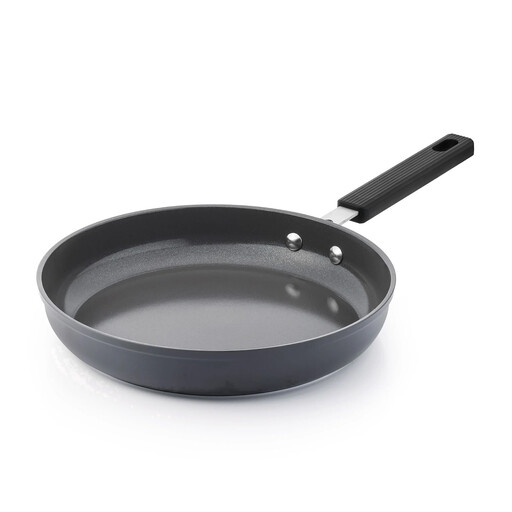
- Why It Stands Out: This SENSARTE pan combines a healthy cooking focus with everyday convenience. Its ceramic non-stick coating is made without PFAS, lead or cadmium. The 9.5-inch (24cm) size makes it an excellent omelette pan and is perfect for cooking eggs, single portions or side dishes.
- Pros:
- PFAS-free ceramic non-stick coating.
- Ideal size for breakfast and smaller meals.
- Induction compatible and features an anti-scald handle.
- Who is it for? Health-conscious individuals looking for a PFAS-free option, or anyone needing a compact, reliable non-stick pan for daily breakfast duties.
Looking for More Options?
If you haven't found the perfect match yet, or if you're looking for a different size or style, there are many more choices available.
Explore our full range of cookware and skillets to find the ideal pan for your kitchen.
Frequently Asked Questions
1. How do I know if a frying pan is induction compatible? To check if a pan is an induction frying pan, look for the induction symbol (which looks like a horizontal coil) on the base or packaging. Alternatively, you can perform a simple magnet test: if a magnet sticks firmly to the bottom of the pan, it will work on an induction hob.
2. How can I make my non-stick pan last longer? To prolong the life of any non-stick surface, avoid using excessively high heat, which can damage the coating. Use wooden, silicone or nylon utensils instead of metal ones. While many pans are dishwasher safe, hand washing with a soft sponge is often gentler and can help maintain the non-stick properties for longer.
3. What is the main difference between a non-stick and a ceramic frying pan? A ceramic frying pan is a specific type of non-stick pan. Traditional non-stick coatings are typically made with Polytetrafluoroethylene (PTFE), whereas ceramic non-stick coatings are made from a sand-derived sol-gel. Ceramic pans are often chosen by consumers looking for cookware made without chemicals like PFAS and PFOA. Both offer easy food release, but their durability and heat tolerance can vary by brand and quality.


