Bakers checking the Fairtrade claim
If you are making chocolate-fudge biscuits or a traybake, check the claims on the sugar and chocolate you actually use. A claim on one ingredient does not automatically cover the finished bake.


For biscuit baking where a verifiable Fairtrade claim matters, choose sugar and chocolate or cocoa with claims that cover the ingredients you intend to use, rather than assuming a ready-made fudge bar is Fairtrade. Check the recipe’s required sugar format, the exact scope of each Fairtrade claim and the current allergen labels before baking.
If you are making chocolate-fudge biscuits or a traybake, check the claims on the sugar and chocolate you actually use. A claim on one ingredient does not automatically cover the finished bake.
For a plain chocolate-fudge flavour, check whether a Fairtrade chocolate bar contains additions such as raspberry. Check its cocoa content against the result your recipe is intended to produce.
Read the current label on every ingredient, including any may-contain statement. Chocolate and ready-made fudge can carry different ingredient and cross-contact warnings.
Choose when: You want to check the sugar claim separately and your biscuit or fudge recipe specifies a sugar format you can match.
Bear in mind: Sugar alone does not establish the Fairtrade status of any chocolate or cocoa added to the bake.
Choose when: Chocolate is part of the recipe and its cocoa or sugar sourcing claim matters to you.
Bear in mind: A claim may cover named ingredients rather than every ingredient; flavour additions also change the intended bake.
Choose when: Your traybake recipe calls for chopped fudge or a soft-centred fudge bar.
Bear in mind: Confirm a Fairtrade claim on that fudge’s own pack if certification is part of your buying decision.
| Priority | What to check | Your needs |
|---|---|---|
| Claim scope | Read the mark and the named ingredients. The Fairtrade Foundation says the classic FAIRTRADE Mark covers ingredients that can be Fairtrade-certified; its Fairtrade Sourced Ingredient mark identifies one Fairtrade-sourced ingredient. | If both cocoa and sugar matter to me, I want the wording to cover both rather than assuming a cocoa-only claim also covers the sugar. |
| Mass balance | Check for mass-balance wording instead of assuming physical separation. Sainsbury’s says its Fairtrade Light Soft Brown Sugar may be mixed with non-certified sugar; Waitrose gives a mass-balance claim for the cocoa and sugar in its No.1 Uganda 85% dark chocolate. | I want to understand what the sourcing statement means before describing the ingredients in my bake. |
| Recipe fit | Match caster, soft brown or granulated sugar to the recipe. Good Food’s chocolate-fudge crinkle biscuit recipe, for example, specifies caster sugar and cocoa powder; Sainsbury’s describes its Fairtrade Light Soft Brown Sugar for fudge, cakes and cookies. | My recipe calls for a particular sugar and chocolate or cocoa format, so a Fairtrade claim is only one part of the choice. |
| Flavour and allergens | Check flavour additions and the current ingredients and may-contain statements. Waitrose’s Divine 70% dark chocolate with raspberries listing identifies raspberry granules and warnings for milk, cereals containing gluten and nuts. | For plain chocolate-fudge biscuits, I would check that a flavoured bar suits the recipe; when serving others, I also need their ingredients to be suitable. |
The Fairtrade Foundation distinguishes the classic FAIRTRADE Mark from the Fairtrade Sourced Ingredient mark, which covers the named ingredient. A mass-balance statement does not establish physical separation of certified material in an individual pack.
Read the mark and accompanying wording. If both cocoa and sugar matter to you, check that both are named or choose separately labelled ingredients.
A fudge bar’s ingredients and its Fairtrade status are separate questions. The Marks & Spencer Vanilla Fudge Bar description identifies a milk-chocolate fudge product but does not itself make a Fairtrade claim.
Check the current pack for an explicit claim before relying on ready-made fudge for a Fairtrade-focused bake.
Waitrose lists a Divine 70% dark chocolate containing raspberry granules and a No.1 Uganda dark chocolate with 85% cocoa solids. Neither should be treated as an unflavoured, interchangeable ingredient without checking the recipe.
Choose chocolate whose flavour and stated cocoa content suit the biscuit or traybake you intend to make.
Chocolate and fudge listings can carry may-contain or other allergy warnings, and the relevant details are those on the product being used.
Check each current physical pack before baking and again before serving someone with an allergy.
A reference for checking Fairtrade sugar and chocolate ingredients separately.
A reference when a recipe calls for light soft brown sugar.
A chocolate reference for bakers who want the bar’s stated Fairtrade cocoa and sugar claims and its raspberry flavour.
A reminder to check the claim on a specific fudge product, not infer it from a retailer’s wider Fairtrade commitments.
These sugar options are for bakers choosing an ingredient for fudge or chocolate-fudge biscuits. Match the sugar format to your recipe, and select chocolate or cocoa separately where needed.
 No image available
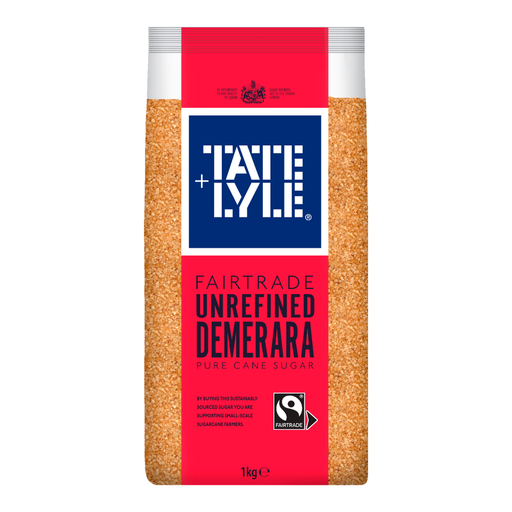
Consider this demerara sugar if your biscuit recipe calls for its crunchy texture; the product description also notes caramel flavour. It is sugar rather than a complete chocolate-fudge ingredient set. The description states that it is packed in a factory that also handles peanuts and nuts, so check the current label when baking for someone with an allergy. Read the pack wording for the precise scope of its Fairtrade claim.
 No image available
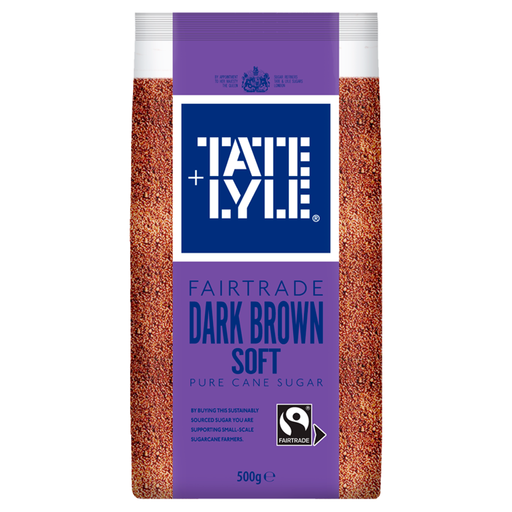
For a recipe that specifies dark soft brown sugar, this 500g cane sugar is described as soft and sticky with deep caramel notes. Check the biscuit recipe before substituting it for another sugar format, and read the current pack for the scope of its Fairtrade claim. Chocolate or cocoa must be chosen separately if the recipe calls for it.
 No image available
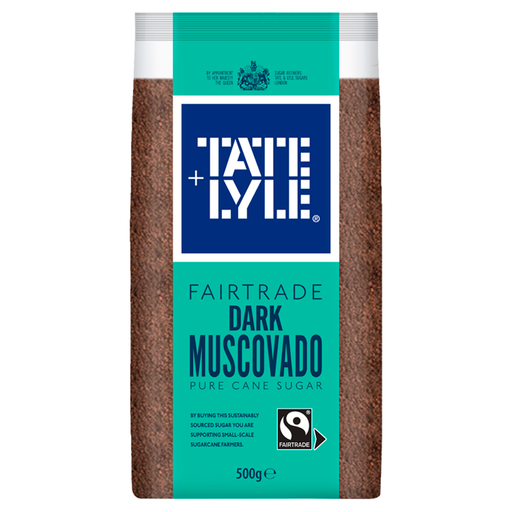
Consider this 500g dark muscovado sugar when your recipe calls for a dark, molasses-rich sugar; its description associates it with moist, chewy bakes. Check whether that format suits your particular biscuit recipe. Its Fairtrade statement describes mass balance, which does not establish physical separation of certified sugar in the pack.
 No image available
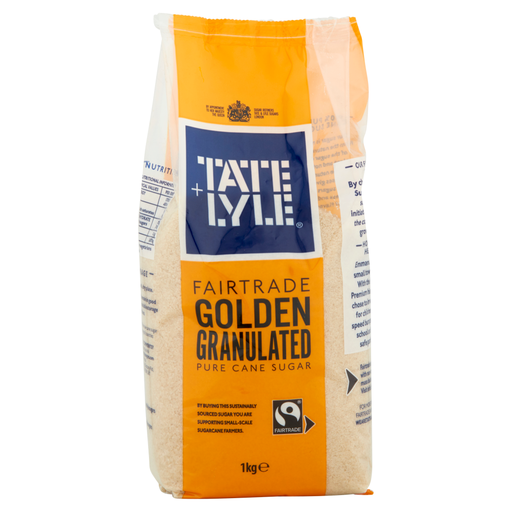
This 1kg golden granulated cane sugar is an option when the recipe specifies granulated sugar. The product description suggests golden caster sugar for baking, so check the recipe before using this in place of caster sugar. Read the current pack for the precise scope of its Fairtrade claim, and choose chocolate or cocoa separately if required.
No. Chocolate in a fudge bar does not establish a Fairtrade claim for the bar. Check its own pack for a relevant mark or explicit ingredient claim; the Fairtrade Foundation says the classic FAIRTRADE Mark and the Fairtrade Sourced Ingredient mark cover different ingredient scopes.
Start with the recipe’s specified sugar and chocolate or cocoa formats, then check the Fairtrade claim on each ingredient. Good Food’s chocolate-fudge crinkle biscuit recipe uses caster sugar and cocoa powder, while Sainsbury’s describes its Fairtrade Light Soft Brown Sugar for fudge, cakes and cookies; those are different recipe choices, not automatic substitutes.
No: a mass-balance claim does not establish physical separation in the individual pack. Sainsbury’s says its Fairtrade Light Soft Brown Sugar may be mixed with non-certified sugar, and Waitrose gives equivalent mass-balance wording for the Fairtrade cocoa and sugar in its No.1 Uganda 85% dark chocolate.
Use it if raspberry flavour suits the recipe, but not as a neutral plain-chocolate choice. The Waitrose listing for Divine 70% dark chocolate with raspberries identifies 3% freeze-dried raspberry granules and may-contain warnings for milk, cereals containing gluten and nuts; check the current pack before baking for others.