Selecting the right head protection is the single most important decision you will make as a rider. Whether you are commuting on a moped, touring on a motorcycle or tackling a downhill trail on a mountain bike, a well-chosen full face helmet is a critical piece of equipment. With so many styles, features and safety standards to consider, finding the right one can feel overwhelming.
This guide is designed to simplify your search. We will walk you through the key considerations for UK riders, explain important safety certifications and highlight a few recommended options to help you make an informed choice with confidence.
What to Look for in a Full Face Helmet
Before diving into specific models, it is useful to understand the features that define a quality helmet. Focusing on these three areas will help you narrow down your options effectively.
1. Safety Certification: The ECE 22.06 Standard
For any motorcycle helmet or moped helmet sold in the UK, safety certification is non-negotiable. The latest and most stringent standard is ECE 22.06. This regulation, which became mandatory for all new helmets manufactured from 2024, involves a more comprehensive range of impact tests than its predecessor (ECE 22.05). An ECE 22.06 certified helmet has been tested for:
- Rotational Impacts: Simulating the twisting forces on the head during an angled crash.
- Varying Impact Speeds: Testing at both high and low speeds to ensure protection across different scenarios.
- Accessory Integrity: Ensuring that official accessories like sun visors do not compromise the helmet's structural safety.
Always check for the ECE 22.06 label to ensure you are getting protection that meets current UK and European road safety laws.
2. Helmet Type: Full-Face vs. Modular
While both offer full-face coverage, there is a key difference in their construction.
- Traditional Full-Face: This is a single-piece shell with a fixed chin bar. It is generally considered to offer the highest level of structural integrity due to its one-piece design.
- Modular (or Flip-Up) Helmet: A modular helmet features a chin bar and visor that can be pivoted upwards. This is a popular choice for touring riders and commuters who appreciate the convenience of being able to talk, drink or get some fresh air without removing the entire helmet. When choosing a flip up helmet, look for one with a "P/J" approval, which means it is certified for use in both the closed (P for protective) and open (J for jet) positions.
3. Comfort and Convenience Features
Modern helmets come with a variety of features designed to improve the riding experience. A built-in helmet with sun visor (often a secondary, retractable internal visor) is incredibly useful for adapting to changing light conditions without needing to carry separate sunglasses.
Other features to consider include the quality of the ventilation system for airflow, the material of the inner lining (look for removable and washable options) and whether the helmet has space allocated for communication systems.
Recommended Full Face Helmets
Based on these key criteria, here are some standout options available for different types of riders.
MY Motorcycle Flip-Up Helmet 935
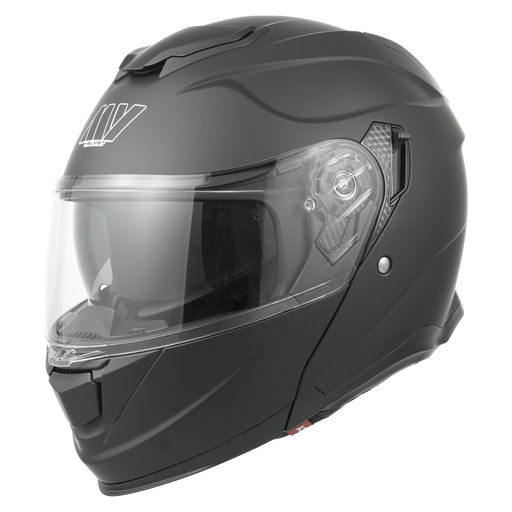
- Why It Stands Out: This helmet combines the convenience of a modular design with the assurance of the latest ECE 22.06 certification. Its versatility makes it a strong contender for daily commuters and long-distance tourers.
- Pros:
- Modular Design: The flip-up chin bar offers excellent practicality for stops.
- Double Visor System: Features a clear outer visor and an integrated inner sun visor to handle all light conditions.
- Communication Ready: Includes a reserved slot for easy installation of a Bluetooth intercom headset.
- Durable Construction: Built with a high-strength ABS shell and a high-density EPS buffer for shock absorption.
- Who is it for? This unisex motorcycle helmet is ideal for riders who prioritise convenience and flexibility for commuting or touring, without compromising on modern safety standards.
MY Motorcycle Full-Face Helmet 936
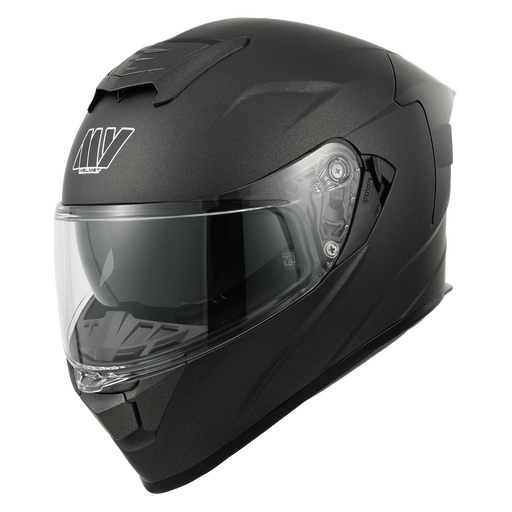
- Why It Stands Out: A classic, no-fuss full face helmet that delivers on the core requirements of safety and comfort. It is also ECE 22.06 approved, offering top-tier protection in a traditional, robust package.
- Pros:
- Integrated Sun Visor: The internal sun visor can be deployed easily, improving visibility on bright days.
- Comfort-Focused Interior: The skin-friendly inner lining is removable and washable, helping to keep the helmet fresh.
- Maximum Protection: The one-piece shell design and high-density EPS liner are engineered for excellent shock absorption.
- Sleek Design: Features a modern, matte finish suitable for a wide range of motorcycles and mopeds.
- Who is it for? Riders looking for a dependable and highly protective motorcycle helmet for everyday use, from city commuting to weekend rides.
OutdoorMaster Full Face Mountain Bike Helmet
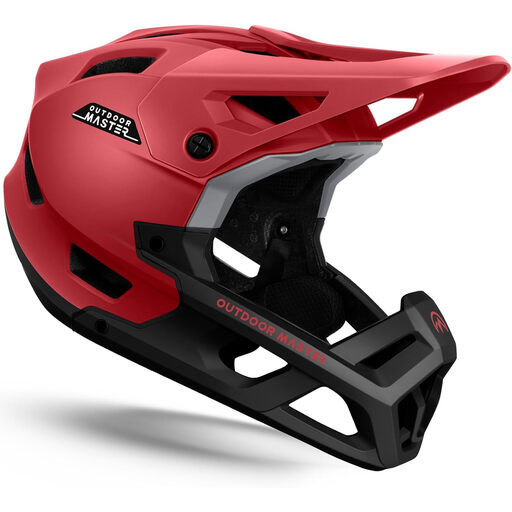
- Why It Stands Out: This helmet is specifically engineered for the demands of off-road cycling. Its focus on ventilation and low weight, combined with robust protection, makes it a prime choice for gravity-focused disciplines.
- Pros:
- Exceptional Ventilation: With 27 high-flow cooling channels, it is designed to keep you cool during intense physical exertion.
- Lightweight Construction: Weighing under 750g, it reduces neck fatigue on long rides and during technical manoeuvres.
- Targeted Protection: The EPP collarbone impact system and chinbar shock pads provide protection in areas critical to mountain biking falls.
- Practical Features: Includes a pivoting visor for sun and debris protection and a goggle-strap channel to keep your eyewear secure.
- Who is it for? The ideal full face MTB helmet for downhill bike helmet users, BMX riders and aggressive trail riders who require maximum airflow and specialised impact protection.
Looking for More Options?
The helmets featured here represent a selection of popular styles, but the world of protective headgear is vast. If you are looking for different designs or other types of cycling helmets, there are many more to discover.
? Explore our full range of Mens cycling helmets to find your perfect fit.
Frequently Asked Questions
How do I know what size full face helmet to get?
To find your size, use a flexible measuring tape to measure the circumference of your head. Wrap the tape about one inch above your eyebrows and ears at the widest part of your head. Compare this measurement (in centimetres) to the manufacturer's sizing chart. A new helmet should feel snug all around, with no pressure points. It should not move when you shake your head.
Is a modular helmet as safe as a full face helmet?
When ridden with the chin bar securely locked in the down position, a high-quality, ECE 22.06 certified modular helmet offers a very high level of protection. However, the single-piece construction of a traditional full-face helmet is inherently stronger, as it lacks the hinge mechanism. For track use or performance riding, a traditional full-face is often the required choice. For general road use, a certified modular helmet is a very safe option.
How often should I replace my helmet?
Most manufacturers recommend replacing your helmet every 3-5 years, depending on use. This is because the protective materials, like the EPS foam liner, degrade over time due to exposure to sweat, hair products and UV light. Crucially, you must replace your helmet immediately after any impact, even if there is no visible damage, as its protective integrity may be compromised.


