Full Scottish breakfast hosts who want sourdough
Plan the cooked breakfast around its familiar toast component and choose sourdough for its tangy flavour and chewy texture rather than using pastry as a substitute.


Choose sourdough bread when you want a tangy, chewy toast element alongside a full Scottish breakfast; VisitScotland describes toast as a typical part of the meal. An all-butter croissant works better as an optional pastry side, while a sourdough croissant is a specialist choice that needs its own ingredient and allergen check.
Plan the cooked breakfast around its familiar toast component and choose sourdough for its tangy flavour and chewy texture rather than using pastry as a substitute.
Choose croissants as an optional bakery side when flaky texture and butter flavour matter, while keeping the cooked breakfast and its toast component separate.
Look for a product explicitly labelled as a sourdough croissant, then check its individual recipe, fat source and allergens rather than treating it as interchangeable with an all-butter croissant.
Start by choosing the role the bakery item will play at the table, then check the label, ingredients and local availability for that specific product.
Choose when: Sourdough is the essential part of the meal and you want a tangy, chewy toast-style accompaniment alongside the cooked breakfast.
Trade-off: A sourdough loaf is not a croissant, so it will not provide laminated pastry texture or a buttery pastry finish.
Choose when: You want a flaky pastry with coffee or an additional item for diners who prefer a sweet pastry beside the cooked breakfast.
Trade-off: It is an accompaniment rather than the usual toast component, and ingredients and availability can vary by product and store.
Choose when: You specifically want both sourdough fermentation and croissant-style pastry from a bakery that names the product clearly.
Trade-off: Recipes vary: one artisan listing describes a vegan product made with plant-based butter, so it should not be assumed to be all-butter.
| Priority | What to check | Your needs |
|---|---|---|
| Bread format | Decide whether you need sliced sourdough for toast or a separate pastry. Check whether the item is intended to be toasted, baked or served as bought. | I want sourdough to fill the toast role in the meal. VisitScotland describes toast as a typical full Scottish breakfast component. |
| Sourdough recipe | Read the ingredient list and fermentation description. Check for added yeast, oils, flour types and other ingredients if your preferred sourdough style matters. | I want to know what the individual product means by “sourdough”. Which? notes that the term is not legally protected in the UK. |
| Pastry style | Look for an explicitly all-butter recipe if butter flavour and flaky pastry are important. Check pack size and whether the product needs baking before serving. | I am adding a rich, flaky pastry as an extra alongside the cooked breakfast, rather than replacing toast with it. |
| Allergens and diet | Check the current pack label or ask for bakery-counter allergen information. Confirm the fat source and dietary statement for the exact product. | I need to check suitability before serving bakery items to someone with an allergy, coeliac disease or a specific dietary requirement. |
Supermarket listings commonly present sourdough bread and croissants as separate products, while a specialist sourdough croissant can use a different recipe and fat source.
Decide first whether the table needs toast, a buttery pastry side or the specialist hybrid, then buy an item whose description matches that role.
Which? explains that “sourdough” is not a legally protected term in the UK, and products can use ingredients that affect flavour, texture or production time.
Read the full ingredient list when natural fermentation, no added yeast or a particular flour profile matters to you.
Croissant examples can contain wheat, milk and egg, and loose-food allergen information may appear on a label, shelf sign, menu or be provided verbally.
For an allergy or coeliac requirement, obtain current allergen information from the store before purchase rather than relying on an earlier recipe or online image.
Some retailer listings show products as out of stock or require a selected store to show local offers and availability.
Check the chosen branch or retailer stock tool before planning the breakfast, especially for in-store bakery and specialist sourdough items.
A same-retailer option for shoppers choosing an all-butter croissant or a separate sourdough loaf for the breakfast table.
A supermarket route for an all-butter croissant alongside a separate Tesco Finest sourdough loaf.
A premium own-label bakery range with butter croissants and several sourdough bread styles.
A sourdough-toast option for shoppers prioritising a sliced fermented loaf alongside the cooked breakfast.
An in-store all-butter croissant option for shoppers who want a simple pastry accompaniment and can check their branch.
Joybuy product options for adding an all-butter croissant as an optional pastry side to a cooked breakfast.
 No image available
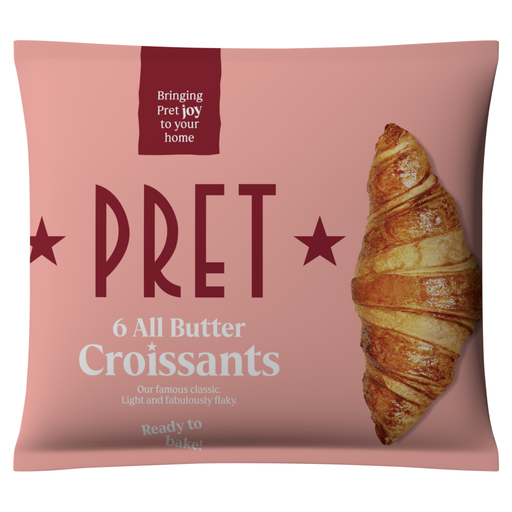
An optional buttery pastry accompaniment for a cooked breakfast, rather than a sourdough toast or sourdough-croissant option.
Requires frozen storage and oven preparation. Check suitability carefully for wheat/gluten, milk, egg, nuts, sesame and soya requirements.
Not typically. VisitScotland lists toast alongside eggs, bacon, sausages, baked beans, tattie scones and optional haggis or black pudding as typical components. Treat a croissant as an optional brunch pastry, while sourdough toast is the closer fit when you want sourdough in the meal.
No. Which? says that sourdough is not legally protected as a term in the UK and that supermarket products may include added ingredients or yeast. Check the individual ingredient list and fermentation description if that distinction matters to you.
Ask before purchase and use the retailer’s written or verbal allergen information. Food Standards Scotland says businesses must make information about the 14 legally declared allergens available to consumers, including before purchase for non-prepacked foods.
No. Recipes vary: one artisan sourdough-croissant listing describes a vegan product made with plant-based butter. Check the individual ingredients and dietary statement instead of assuming an all-butter recipe.