Who is each tea for?
The useful distinction at breakfast is whether you want to keep the black-tea serving style or change to an infusion.
Breakfast-tea drinkers reducing caffeine
If a cup of black tea, perhaps with milk, is part of your Full Scottish breakfast, look at decaffeinated black tea. Twinings describes its English Breakfast Decaffeinated as black tea and gives serving guidance that includes milk.
Fruit-infusion drinkers avoiding caffeine
If you would welcome a different flavour alongside breakfast, choose a fruit or herbal infusion explicitly labelled naturally caffeine-free. Twinings Strawberry & Raspberry and Pukka Elderberry & Echinacea are examples identified as naturally caffeine-free by their brands.
Shoppers checking particular ingredients
Compare the ingredient panels of individual infusions rather than relying on the words ‘fruit tea’. Twinings Strawberry & Raspberry, for example, lists liquorice root alongside fruit, herbs and flavourings.
What should you check before buying?
Decide which type of drink you want first, then compare the caffeine wording, ingredients and preparation instructions on the particular pack.
Decaffeinated black tea
Choose it when: You want to retain a conventional black-tea cup at breakfast, with milk as a possible serving choice.
Bear in mind: Decaffeination removes nearly all caffeine, but Twinings says minor traces can remain.
Naturally caffeine-free infusion
Choose it when: You want a fruit or herbal drink instead of the flavour of black tea.
Bear in mind: Ingredients differ by blend, and a fruit infusion is not a like-for-like substitute for black tea with milk.
| Priority | What to check | Your needs |
|---|
| Caffeine route |
Look for ‘naturally caffeine-free’ on a fruit or herbal infusion, or ‘decaffeinated’ on black tea. If traces matter to you, check the statement on the specific decaf pack. |
I want to know whether the drink is naturally caffeine-free or has had caffeine removed from tea leaves. |
| Breakfast flavour |
Check whether the ingredients identify black tea or a fruit-and-herbal blend. For a milk-served cup, look for preparation guidance for that product. |
A familiar black-tea cup matters to me more than fruit flavour—or I would rather have a fruity drink with breakfast. |
| Ingredients |
Read the full ingredient list and any pack warnings. Fruit infusions can include botanicals and flavourings; Twinings Strawberry & Raspberry lists liquorice root. |
I avoid a particular ingredient, so I need to check this blend rather than assume all fruit teas contain the same things. |
| Brewing |
Follow the product's own water, brewing-time and serving directions. Twinings gives a two- to three-minute brew for English Breakfast Decaffeinated, with longer brewing for a stronger cup. |
I want a preparation method that fits my breakfast routine, without assuming a fruit infusion brews or serves like black tea. |
Brand ranges to compare
These brand examples illustrate the two drink styles; compare the individual product, not the brand name alone.
Twinings
Its UK product information covers both decaffeinated English Breakfast black tea and a naturally caffeine-free Strawberry & Raspberry infusion.
- English Breakfast Decaffeinated is listed as 100% black tea, with brewing guidance that allows a splash of milk.
- Strawberry & Raspberry is a different type of drink and lists liquorice root among its ingredients.
Clipper
Organic Everyday Decaf is a decaffeinated black-tea option for shoppers comparing breakfast-style tea.
- Clipper lists decaffeinated organically grown black tea as the ingredient and describes the blend as Fairtrade and Organic.
- It is a decaf black tea, not a naturally caffeine-free fruit infusion; check its pack if your choice depends on the caffeine statement.
Pukka
Its fruit-tea range includes Elderberry & Echinacea, which Pukka identifies as naturally caffeine-free.
- Elderberry & Echinacea offers an organic fruit-and-herbal infusion rather than a black-tea base.
- Check the particular blend's ingredients and flavour if you are looking for something to replace a milky breakfast tea.
Joybuy tea options
These options include decaffeinated teas for a familiar breakfast cup and herbal teas for a different drink alongside breakfast. Check each pack's caffeine wording and ingredients against the choice you want to make.
 No image available
Tetley Decaffeinated Tea Bags, 80 bags, 250g
Consider these tea bags if you want a decaf option for a familiar breakfast-tea routine. If avoiding traces of caffeine matters, check the current pack's caffeine statement rather than treating ‘decaffeinated’ as an assurance of none.
View on Joybuy
 No image available
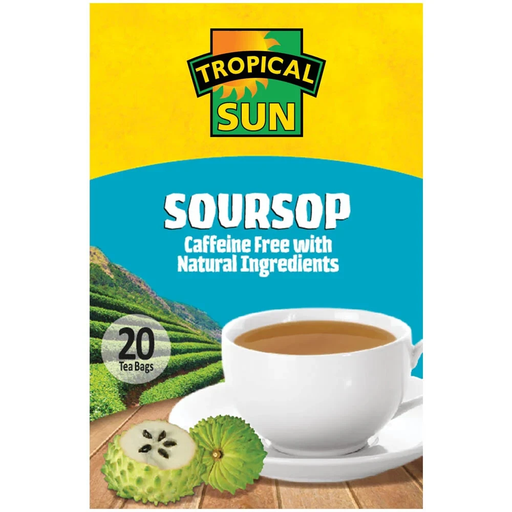
Tropical Sun Soursop Tea, 20 tea bags
This soursop tea is an option to consider if you want a different hot drink with breakfast. Check its ingredient list and caffeine wording if you specifically want a fruit-flavoured or naturally caffeine-free infusion.
View on Joybuy
 No image available
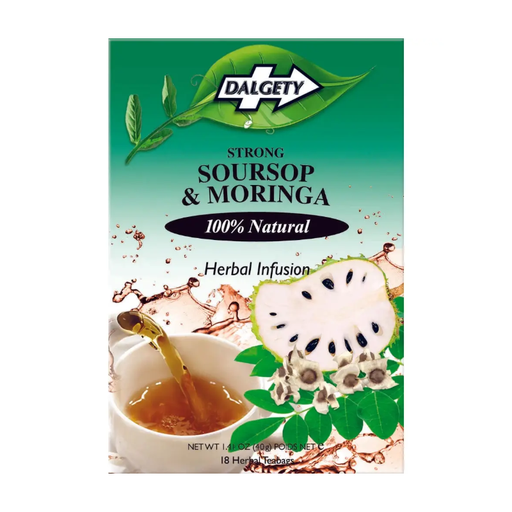
Dalgety Soursop & Moringa Tea, 40g
Consider this soursop-and-moringa tea if you would prefer a herbal-style drink to a conventional breakfast tea. Check the pack for its ingredients, caffeine wording and brewing directions before choosing it for that purpose.
View on Joybuy
 No image available
Taylors of Harrogate Yorkshire Tea Decaf, 250g
This decaf tea fits a preference for a traditional tea rather than a fruity infusion alongside breakfast. Check the current pack for its caffeine statement and preparation directions if either affects your choice.
View on Joybuy
Questions about fruit tea and decaf
Is fruit tea the same as decaf tea?
No. Fruit and herbal infusions are generally naturally caffeine-free, while decaffeinated tea is made from tea leaves that have undergone a process to remove nearly all their caffeine. Twinings notes that minor traces can remain in decaf tea, so check the wording on the product you choose.
Which suits a Full Scottish breakfast?
Choose decaffeinated black tea if you want to keep a familiar breakfast-tea flavour and perhaps add milk. Choose a naturally caffeine-free fruit infusion if avoiding caffeine and having a fruity drink matter more than reproducing that black-tea cup.
Should I brew fruit tea and decaf black tea the same way?
Follow the instructions for the particular tea rather than assuming they are interchangeable. Twinings advises brewing its English Breakfast Decaffeinated for two to three minutes, or four minutes for a stronger cup; check the fruit infusion's own pack for its directions.
Do fruit-tea ingredients need checking?
Yes, especially if you avoid a particular ingredient. Twinings Strawberry & Raspberry lists hibiscus, fruit components, flavourings and liquorice root; read the current pack's full ingredient list and warnings when choosing a blend.


