
24/7 Customer Support

Free returns

Same-day & Next-day Delivery

Quality Guaranteed

Unlock Your Welcome Offers: FREE Delivery | Up to 80% OFF | Free 30-day JoyPlus trial
Download the APP
As devoted dog owners, we're always looking for ways to support our companions' health and happiness. You might notice your older dog seems a bit stiff after a long walk, or perhaps your younger pup gets anxious during thunderstorms. Maybe you've just accepted that "dog breath" is a fact of life. This is where functional dog treats come in.
Unlike standard biscuits, these treats are formulated with specific ingredients to offer targeted support for common canine concerns. This guide will walk you through how to choose the right ones and offer some of our top recommendations to help you make an informed decision for your four-legged friend.
Navigating the world of dog treats can be overwhelming. Here are a few practical points to consider to ensure you're choosing a high-quality product that meets your dog's needs.
The foundation of any good treat is its ingredients. Look for a clear, understandable list that features high-quality protein sources (like chicken or salmon meal) as a primary component. Natural dog treats that avoid artificial colours, flavours and unnecessary fillers are often a better choice, especially for dogs with sensitive stomachs. Many owners also opt for grain-free dog treats to avoid common allergens and digestive issues, though the most important factor is a well-balanced recipe.
Functional treats are designed for specific purposes. Before you buy, identify what you want to address:
The physical form of the treat matters. Soft-bite treats are excellent for puppies, senior dogs with sensitive teeth or for use as a quick training reward. They are often easy to break into smaller pieces for portion control. Hard, crunchy biscuits can help with dental cleaning but may not be suitable for all dogs. Always choose a size appropriate for your breed to prevent choking.
After reviewing the market for natural, effective and well-formulated options, we've selected a few standout products. The Forthglade soft bites range, made in Devon, is a great example of treats that combine high-quality, natural ingredients with targeted functional benefits.
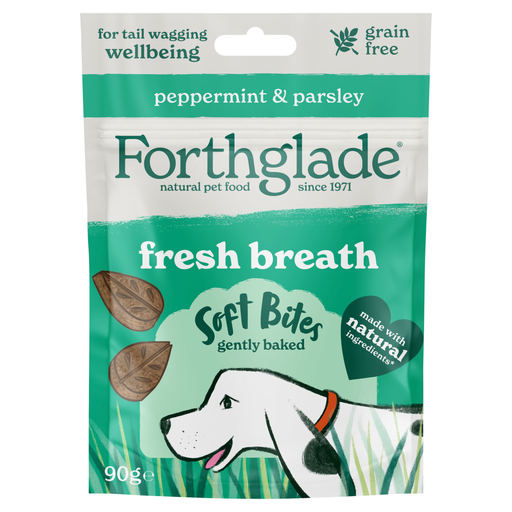
Why It Stands Out: These treats tackle bad breath from the inside out. The recipe combines dried parsley (1.5%) and peppermint oil (0.4%), two well-known natural breath fresheners. With chicken meal as the main ingredient, they are a high-protein, flavourful reward that also serves a practical purpose.
Pros:
Who is it for: Dog owners looking for a simple, daily treat to help manage their dog's breath between brushings.
View Forthglade Fresh Breath Treats
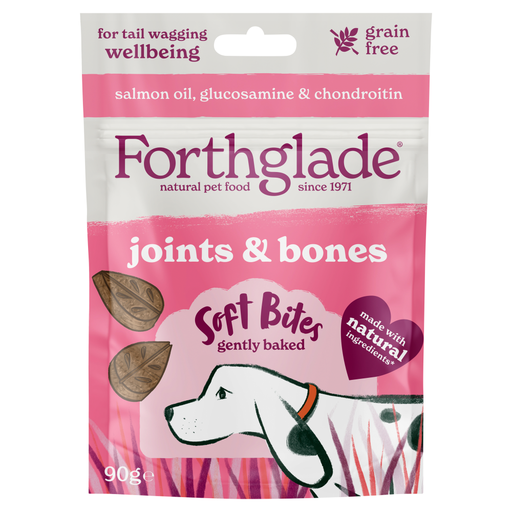
Why It Stands Out: Specifically formulated to support mobility, these treats are packed with beneficial ingredients. The recipe includes salmon meal (28%) and salmon oil (5%), which are rich in omega-3s. Crucially, it's also fortified with glucosamine (0.1%) and chondroitin (0.1%) to help maintain healthy joints and cartilage.
Pros:
Who is it for: Owners of active, large-breed or ageing dogs who need extra support for their joints and bones.
View Forthglade Joints & Bone Treats
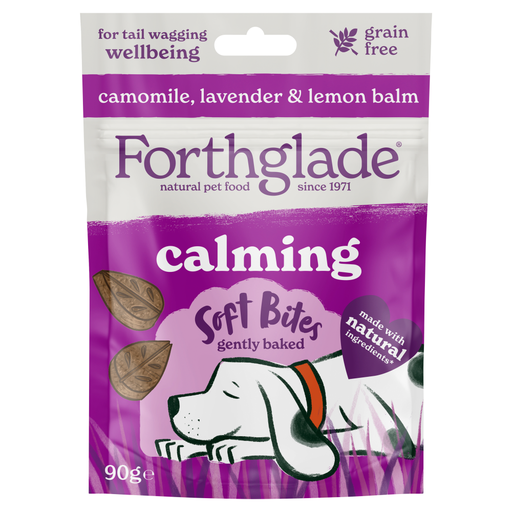
Why It Stands Out: These treats are designed to be given during quiet moments to help a dog relax. They contain a carefully selected blend of botanicals, including camomile, valerian root, lemon balm and lavender. With turkey meal as a gentle protein source, this grain-free recipe is ideal for helping to soothe an anxious dog without causing digestive upset.
Pros:
Who is it for: Owners of dogs that experience anxiety due to separation, travel, loud noises or other stressful situations.
View Forthglade Calming Treats
Soft-bite treats are a fantastic option, but some dogs (and owners) prefer a classic crunchy biscuit. If the recommendations above aren't quite right, there are many other choices available that still offer functional benefits.
Explore our wider selection of grain-free biscuits to find the perfect crunchy reward for your companion.
Functional dog treats are rewards that have been formulated with specific ingredients to provide a health or behavioural benefit beyond basic nutrition. This can include supporting joint health, promoting calmness, improving dental hygiene or aiding digestion.
It's important to remember that these are complementary foods, not a replacement for a balanced diet. A widely accepted guideline is that treats should make up no more than 10% of your dog's daily calorie intake. Always check the feeding guide on the packaging for specific advice and ensure fresh drinking water is available.
For dogs with a diagnosed grain allergy or sensitivity, a grain-free diet is essential. For most other dogs, the presence of grains is not inherently unhealthy. The key is the overall quality of the ingredients. A recipe, whether grain-free or not, should be built around high-quality protein and wholesome, natural components rather than cheap fillers.