
24/7 Customer Support

Free returns

Same-day & Next-day Delivery

Quality Guaranteed

Unlock Your Welcome Offers: FREE Delivery | Up to 80% OFF | Free 30-day JoyPlus trial
Download the APP
As dog owners, we often look for ways to give our pets a little something extra. A treat is more than just a reward; it can be a tool for training, a way to show affection or even a supplement to support their well-being. This is where functional dog treats come in. These are not just empty calories; they are snacks formulated with specific ingredients to offer a targeted benefit, from helping a nervous dog relax to supporting their dental health.
Navigating the growing market for these treats can be confusing. With so many options available, how do you choose a product that is both effective and made with quality ingredients? This guide is designed to help you understand what to look for when selecting functional treats for your dog, ensuring you can make an informed choice for your companion.
Choosing the right treat involves looking beyond the marketing on the front of the pack. Here are a few practical tips to help you identify high-quality options.
The composition list is the most reliable source of information about a treat. For natural dog treats UK residents can trust, look for a short list of recognisable ingredients. A high-quality protein source like chicken, turkey or fish should ideally be listed first.
Many owners are now opting for grain free dog treats, which can be particularly beneficial for dog treats for sensitive stomachs. These recipes often use alternatives like sweet potato or pea flour, which can be easier for some dogs to digest than common grains like wheat or corn. Avoid products with vague terms like "meat and animal derivatives" or a long list of artificial colours, flavours and preservatives.
Functional treats are designed for specific purposes. Consider what you want to achieve:
The physical form of the treat matters. Soft-bite treats are excellent for puppies, senior dogs with dental issues or for use as quick training rewards. They are easy to break apart for portion control. Harder, chewier treats can provide longer-lasting enjoyment and may offer more significant dental benefits by encouraging chewing. Always choose a size appropriate for your dog to avoid any choking hazards.
Based on their ingredient transparency and targeted formulas, here are a few functional treats that stand out.
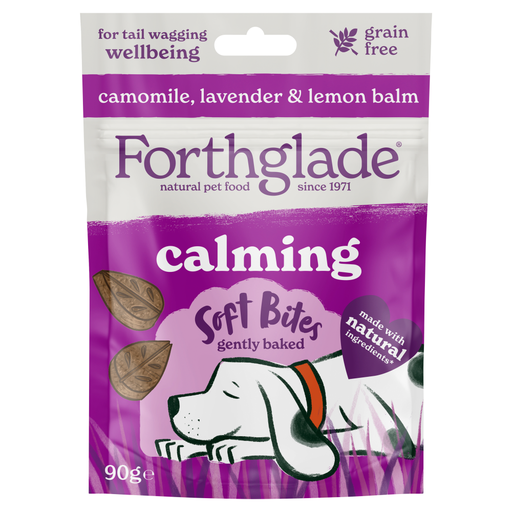
Why It Stands Out: These treats are specifically formulated with a blend of botanicals to help dogs relax. The recipe includes lavender, ginger, lemon balm, camomile and valerian root. Made with 15% turkey meal, they offer a gentle protein source in a grain-free formula.
Pros:
Who is it for? This is a great option for owners looking to help their dog settle during quiet moments, at bedtime or in mildly stressful situations. They are suitable for dogs from 2 months old.
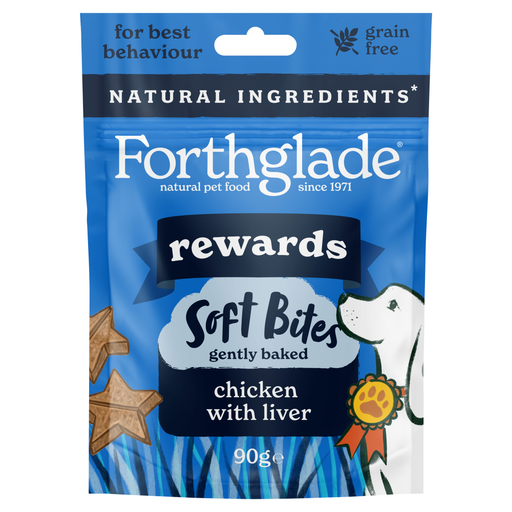
Why It Stands Out: Designed as a high-value reward, these treats contain 34% chicken (chicken meal and liver), making them highly palatable and motivating for training sessions. The soft texture means they can be given quickly without interrupting the flow of training.
Pros:
Who is it for? Ideal for dog owners who are actively training their pet and need a tasty, motivating reward that won't be full of fillers. Suitable for dogs and puppies from 2 months old.
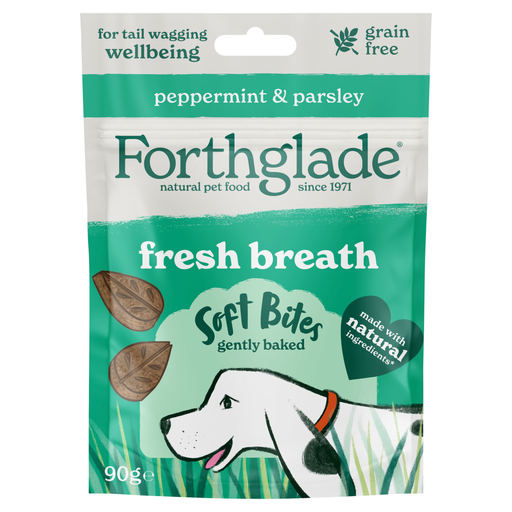
Why It Stands Out: These treats tackle bad breath with natural ingredients. The formula includes dried parsley (1.5%) and peppermint oil (0.4%), both well-known for their breath-freshening properties. The primary ingredient is chicken meal, ensuring they are still a desirable snack for your dog.
Pros:
Who is it for? A practical choice for owners looking for a simple, natural way to help manage their dog's breath as part of their daily routine.
The products highlighted here are just a starting point. Every dog is an individual, and you may be looking for different proteins, textures or functional benefits. If these specific Forthglade dog treats aren't the perfect fit, you can explore a wider variety in our full collection.
Discover more options in our range of natural dog snacks.
Many functional treats are safe for puppies, but it is crucial to check the product's packaging for age suitability. For example, the Forthglade treats featured here are suitable for dogs from 2 months of age. Always choose soft dog treats for puppies to protect their developing teeth and consider breaking them into smaller pieces to prevent choking and manage portion sizes during training.
When choosing dog treats for sensitive stomachs, simplicity is key. Opt for grain free dog treats with a limited number of ingredients and a single, high-quality protein source. Ingredients like sweet potato, peas and chicken or turkey are often well-tolerated. Avoid treats with artificial additives, high fat content or complex protein blends that could trigger sensitivities.
Treats should always be given in moderation and should not replace a complete and balanced diet. As a general rule, treats should make up no more than 10% of your dog's total daily calorie intake. Always refer to the feeding guide on the packaging for specific recommendations and ensure fresh drinking water is always available.