
24/7 Customer Support

Free returns

Same-day & Next-day Delivery

Quality Guaranteed

Unlock Your Welcome Offers: FREE Delivery | Up to 80% OFF | Free 30-day JoyPlus trial
Download the APP
Functional drinks are no longer limited to traditional energy drinks. UK shoppers can now choose from electrolyte drinks, protein shakes, pre-workout drinks, meal replacement drinks and ready-to-drink nutrition for almost any routine. The wide choice is useful, but attractive packaging can make comparing products unnecessarily difficult.
Before buying a multipack drinks offer, look beyond phrases such as “performance formula” or “clean energy”. The useful information is usually found in the nutrition panel, ingredient list, serving size and usage instructions.
A drink marketed for active lifestyles may be a sugary energy drink rather than a practical hydration product. Energy drinks often contain caffeine and carbohydrates, while electrolyte drinks are primarily compared by their sodium, potassium and magnesium content.
For everyday hydration, check whether the drink contains meaningful electrolytes and how much sugar or sweetener it uses. For longer or sweat-heavy activity, a sports drink may contain carbohydrates as well as minerals. These serve a different purpose from zero-sugar hydration drinks.
Zero-sugar energy drinks can be useful for shoppers reducing sugar intake, but this does not automatically make them suitable for every occasion. Some contain substantial caffeine, including around 100–200mg per can. Check the caffeine amount per serving and consider other sources such as coffee, tea and pre-workout drinks.
Also review sweeteners, acidity regulators and preservatives if you have dietary sensitivities. “Zero calorie” describes energy content, not necessarily the full suitability of a product for your routine.
A 12-pack may appear economical, but bottle or can size varies. A 330ml can, 380ml bottle and 500ml nutrition shake provide different amounts per serving. Calculate the cost per bottle or can, then compare protein, caffeine, sugar and electrolyte quantities on the same serving basis.
Check best-before dates too, particularly when buying larger multipack drinks for occasional use.
For adults, UK Food Standards Agency guidance commonly references up to 400mg of caffeine per day as an amount unlikely to cause negative effects in healthy adults, while pregnancy guidance is lower. Individual sensitivity varies, so always follow the product label.
A standard energy drink may contain 32mg caffeine per 100ml, equivalent to 80mg in a 250ml can. By comparison, some pre-workout drinks contain around 200mg per 330ml can. Do not compare these products by branding alone.
Look for:
Traditional energy drinks and some sports drinks contain sugar or glucose syrup. That may be relevant during prolonged exercise, but it can be unnecessary for desk work or short gym sessions.
Compare the figures per serving, not just per 100ml. For example, a 325ml isotonic drink may provide 15.9g of sugars, while a zero-sugar electrolyte drink can provide 0g carbohydrate. Neither is automatically right for everyone; the choice depends on the occasion and your overall diet.
For protein drinks and protein shakes, check the actual protein quantity per serving. Some ready-to-drink options provide 20g, while larger 500ml bottles may provide 42g. Consider the drink alongside your normal meals rather than assuming a high-protein product is a complete meal.
Meal replacement drinks should be assessed more broadly. Look for protein, fibre, fat, carbohydrates and vitamins and minerals. A complete meal replacement can be convenient during a rushed commute or workday, but it should be used according to its label and should not replace a varied diet indefinitely without appropriate advice.
Vegan, vegetarian, Halal, dairy-free and gluten-free shoppers should check the current packaging and ingredient list. A milk-based protein shake is not suitable for someone avoiding dairy, while collagen-based sparkling protein drinks are typically bovine-derived and therefore not vegan.
Allergen statements are particularly important for milk, sulphites, nuts and cereals. Product formulations can change, so the label supplied with the item should take priority over older online information.
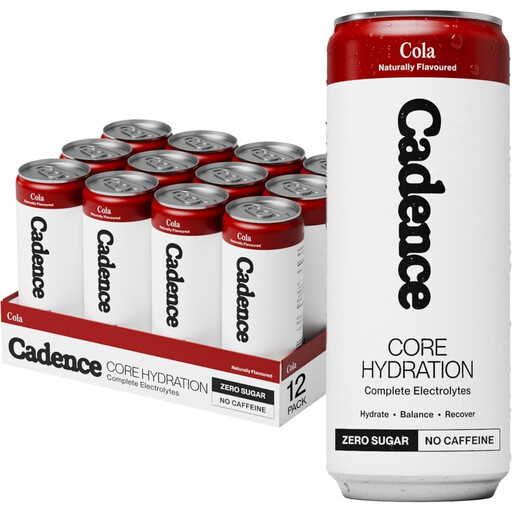
Why This Fits Their Persona: A 12-pack format suits shoppers who want a regular supply for work, commuting or light activity without choosing a high-caffeine formula.
It lists 0g sugar and 5 kcal per 330ml serving, making the nutrition panel easier to assess than a vague “light” claim.
Contains sodium, potassium and magnesium; cola flavour and 12 x 330ml packaging suit chilled, everyday use.
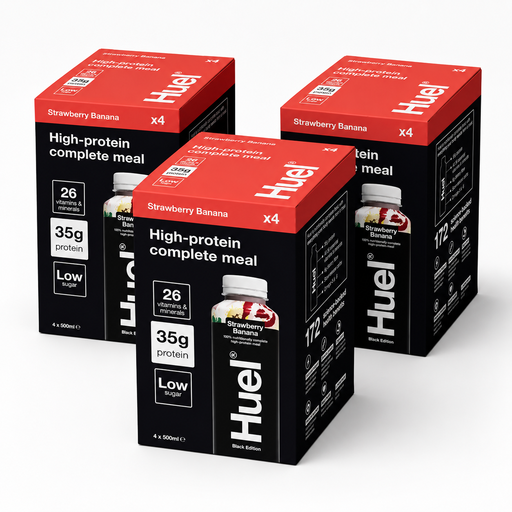
Why This Fits Their Persona: Suitable for adults who want ready-to-drink nutrition during busy office days, commuting or irregular meal times.
Its label provides protein, carbohydrate, fat, fibre and micronutrient information rather than presenting it simply as an energy drink.
Plant-based recipe; 500ml bottle; listed as containing 27 vitamins and minerals and 6.8g protein per 100ml.
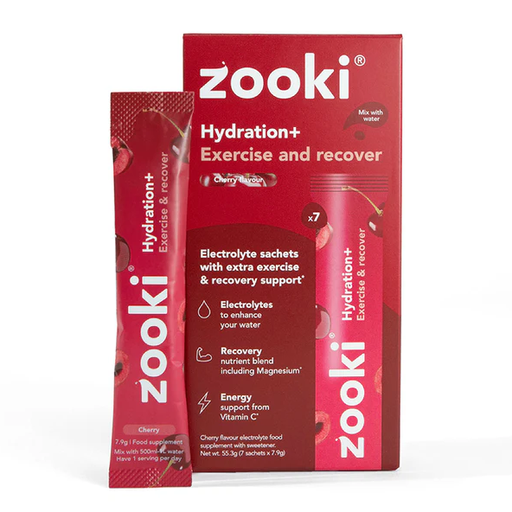
Why This Fits Their Persona: A practical choice for runners, gym-goers and outdoor users who prefer portable sachets over carrying cans or bottles.
The sachet lists quantities for sodium, potassium, magnesium and calcium, so buyers can assess the electrolyte profile directly.
20 sachets per pack; zero sugar; mix one 7.9g sachet with 500–1000ml of water according to the product instructions.
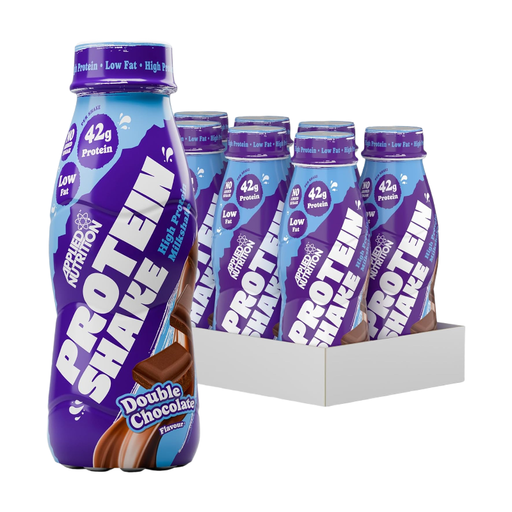
Why This Fits Their Persona: Designed for adults who want a substantial ready-to-drink protein option after training or during a demanding day.
The 500ml serving clearly states 42g protein, 240 kcal and 17g carbohydrate, allowing a more accurate comparison with smaller protein drinks.
Low fat; no added sugar; milk-based and suitable for vegetarians, but not suitable for people avoiding dairy.
We have compiled a complete, real-time list of products that fully satisfy these strict selection criteria and UK safety regulations.
Some are designed for regular consumption, while high-caffeine energy drinks and concentrated pre-workout drinks may be intended for occasional use. Check the serving guidance, caffeine content and warnings. Water and a varied diet remain important parts of normal daily nutrition.
For light activity, water may be sufficient. After heavy sweating, an electrolyte drink or sports drink may be more relevant. If your priority is protein intake, compare protein shakes or ready-to-drink protein drinks by grams per serving. A protein drink does not necessarily replace fluid lost during exercise.
“Zero sugar” only describes the sugar content. Compare caffeine, sweeteners, acidity and serving size as well. A zero-sugar energy drink may suit an adult reducing sugar, but it is not appropriate for children and may not suit people sensitive to caffeine. Always follow the label and consume moderately.