
24/7 Customer Support

Free returns

Same-day & Next-day Delivery

Quality Guaranteed

Unlock Your Welcome Offers: FREE Delivery | Up to 80% OFF | Free 30-day JoyPlus trial
Download the APP
Functional drinks can make busy mornings, gym sessions and packed lunches more convenient. However, a colourful bottle labelled “wellness”, “energy” or “nutrition” does not automatically make it suitable for your routine. The right choice depends on what you need from the drink, how often you will use it and what the nutrition label actually says.
Some drinks use sweeteners such as sucralose or erythritol to reduce sugar, while still containing meaningful calories from milk, protein, fats or carbohydrates. Others may have little sugar but offer limited nutritional value.
Always compare energy, carbohydrate and sugars per serving, not just the front-of-pack wording. A 330ml milk-based drink can contain considerably more calories than a small 150ml vitamin-enriched drink, even when both appear in the wellness drinks category.
Protein shakes, probiotic drinks and vitamin-enriched drinks often highlight one ingredient prominently. That does not tell you whether the product suits your needs. Check the quantity per bottle, serving size and recommended frequency.
For example, one ready-to-drink protein shake may provide 42g of protein in 500ml, while another offers 20g in 250ml. Both can be useful, but they suit different appetites, budgets and daily protein targets.
Fresh or refrigerated products may need different handling from ambient ready-to-drink beverages. Some products must be chilled after opening and consumed within 12 or 24 hours. Others have specific dosage instructions or warnings for children, pregnancy, breastfeeding, medication use or caffeine intake.
Read the full label before buying, particularly for milk, soya, sesame, nuts, barley and other allergens. Food supplements and meal replacement shakes should also be used only as directed rather than treated as a complete substitute for a varied diet unless the packaging specifically states otherwise.
UK nutrition panels commonly show values per 100ml and per serving. The per-bottle figure is usually more useful when comparing protein shakes, nutritional drinks and sports hydration drinks.
Look for:
A product with zero sugar is not necessarily suitable for endurance exercise, where carbohydrates may be the intended fuel. Conversely, a carbohydrate-rich sports drink may be unnecessary for a short, low-intensity workout.
Ingredients are listed in descending order by weight. Compare the first few ingredients and look beyond terms such as “natural”, “clean” or “light”.
A simple protein shake may contain milk and milk protein concentrate, whereas a sesame or nut drink may contain only a modest percentage of its highlighted ingredient. People with allergies should check the bold allergen declaration and the current packaging before consuming.
For vegan, vegetarian, gluten-free or dairy-free requirements, rely on the product label rather than promotional wording. Formulations can change.
A powder can offer a lower cost per serving, but it requires a shaker, liquid and preparation time. Ready-to-drink beverages are convenient for work, university, commuting or the gym, although multi-packs take more storage space.
Check whether the drink is:
For caffeine-containing products, calculate your total intake from coffee, tea, energy drinks and supplements. The label should be followed carefully, especially for younger people and those who are pregnant or breastfeeding.
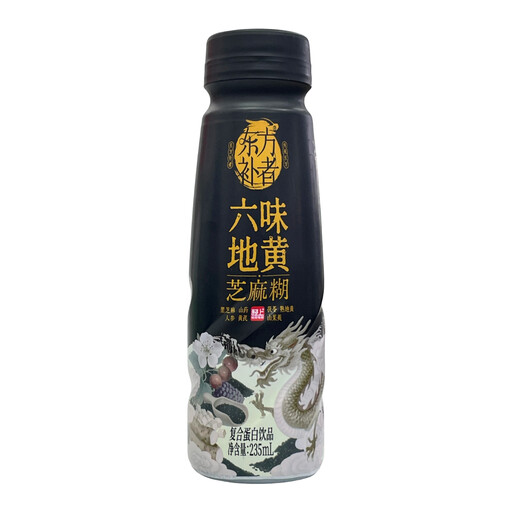
Why This Fits Their Persona: A compact 235ml bottle suits first-time buyers seeking a small breakfast drink or afternoon snack without committing to a large multi-pack.
The label states 50 kcal per 100ml and 0.2g sugars per 100ml, making the small bottle easier to portion. It also clearly identifies sesame and provides a laxative-effect warning linked to excessive consumption.
235ml ready-to-drink format; black sesame paste contributes a creamy, nutty flavour.

Why This Fits Their Persona: Suitable for adults wanting a structured daily probiotic drink routine and a liquid format rather than capsules or powders.
The product gives a defined 70ml daily serving and lists four bacterial strains, helping shoppers compare the format and routine rather than relying on vague wellness language.
Vegan and dairy-free formula; 10 kcal per 70ml serving with vitamin C listed on the nutrition panel.
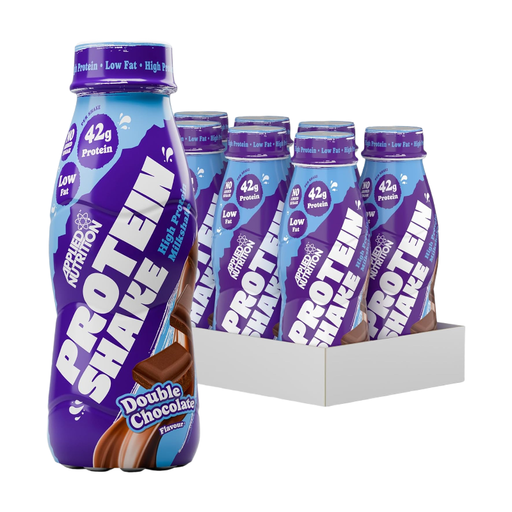
Why This Fits Their Persona: Designed for adults who regularly need a substantial post-workout or on-the-go protein serving without mixing powder.
The nutrition information states 42g protein and 240 kcal per 500ml bottle, so the serving is clear. The label also identifies milk and gives opening, refrigeration and daily-use guidance.
42g protein per bottle; ready-to-drink format with no preparation required.
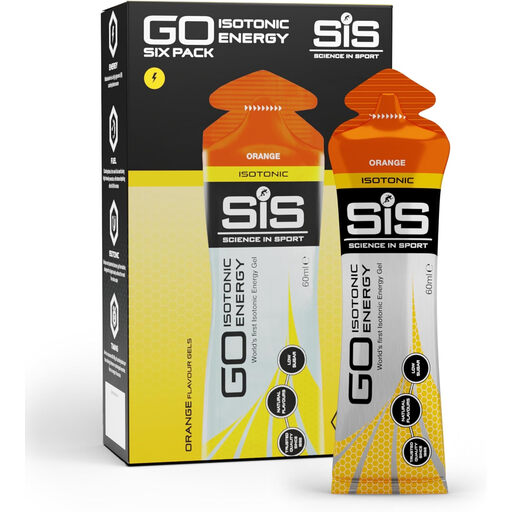
Why This Fits Their Persona: A portable option for runners, cyclists and gym users who need measured carbohydrate intake during longer or more demanding sessions.
Each 60ml pack provides 22g carbohydrate and 87 kcal. This makes it easier to plan intake during exercise rather than accidentally choosing a low-carbohydrate drink for a high-demand session.
Portable squeeze-pack format; zero fat and zero protein per serving.
We have compiled a complete, real-time list of products that fully satisfy these strict selection criteria and UK safety regulations.
Only some products are specifically formulated and labelled as meal replacement shakes. Protein shakes, energy drinks and probiotic drinks generally serve different purposes and should not automatically replace a balanced meal. Check the preparation instructions, calorie content, protein, fibre, vitamins and minerals before using one in place of breakfast or lunch.
It depends on the product. Some labels advise refrigeration and consumption within 12 hours, 24 hours or several days. Follow the product packaging rather than assuming all shelf-stable drinks have the same storage life. Shake products where instructed and avoid consuming anything past its stated use guidance.
Not always. Powders and larger multi-packs may reduce the cost per serving, while individual bottles charge more for convenience. Compare the price per serving, protein or carbohydrate amount, preparation time and storage requirements. For occasional use, ready-to-drink beverages may be practical; for daily use, a powder or larger pack may offer better value.