
24/7 Customer Support

Free returns

Same-day & Next-day Delivery

Quality Guaranteed

Unlock Your Welcome Offers: FREE Delivery | Up to 80% OFF | Free 30-day JoyPlus trial
Download the APP
The world of functional tea can feel overwhelming. Shelves are filled with boxes promising everything from better sleep to a boosted immune system. While a warm cup of herbal tea can be a wonderful part of a daily routine, it's easy to be swayed by clever marketing and end up with a product that doesn't quite meet your expectations. As a Joybuy Product Recommendation Officer, my role is to help you see past the hype and make an informed choice.
Many shoppers find themselves disappointed by teas that taste weak or don't seem to align with their wellness goals. This often comes down to a few common purchasing pitfalls:
By understanding what to look for, you can choose a functional tea that genuinely suits your needs.
Instead of focusing on the front of the box, turn it over and analyse the details. Here are the two most important factors to check before you buy.
The order of ingredients on the label is your most reliable guide. Ingredients are listed by weight, so the first one is the most prominent. If you're buying a chamomile tea for its calming properties, chamomile should be one of the first ingredients, not the last.
Look for clear percentages. A blend that states it contains chamomile flower (68%) is being far more transparent than one that simply lists it in a long blend. This is also crucial for organic tea, where you want to ensure the primary, functional herbs are the ones that are certified organic.
Many modern functional teas are fortified with vitamins and minerals to support their intended purpose. For example, a digestion tea might contain added Zinc, or an immune support tea might be fortified with Vitamin D. When you see this, check the label for the Nutrient Reference Value (% NRV). This tells you what percentage of your daily recommended intake one cup provides, helping you gauge if it's a meaningful contribution.
Finally, always check for caffeine. Many people turn to herbal tea as a caffeine-free alternative to coffee or black tea, especially in the evening. Blends for relaxation or a sleep tea should be explicitly caffeine-free. Be mindful that some "wellbeing" blends use a green tea base, which contains caffeine. If you're looking for a classic soothing brew, simple peppermint tea or lemon and ginger tea are excellent caffeine-free choices.
To help you navigate the options, we've matched some functional teas to common wellness goals.

Why This Fits Their Persona: Ideal for those seeking a comforting, caffeine-free brew after a meal. The combination of mint and fennel is traditionally used for digestive comfort, making it a go-to for anyone feeling bloated or looking to support their digestive system naturally.
This blend avoids the "fairy dust" trap by making its functional ingredients the stars. With Fennel (39%) and Mint (39%), you are getting a high concentration of the herbs you're paying for, not just fillers.
It is fortified with Zinc, which contributes to normal carbohydrate metabolism. The packaging clearly states the %NRV, providing transparent information on its functional contribution.
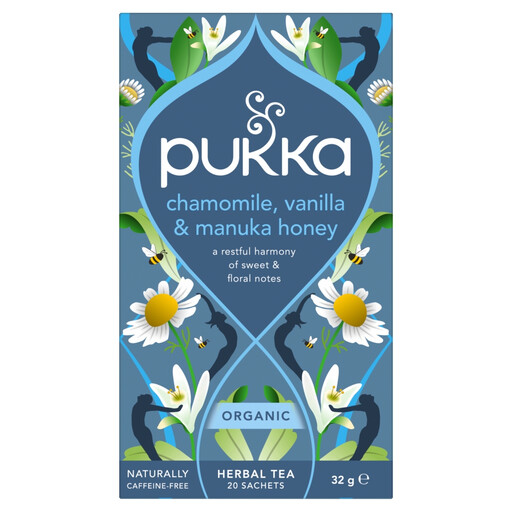
Why This Fits Their Persona: Perfect for someone looking to create a calming nightly ritual. This naturally caffeine-free tea is designed for relaxation, with a smooth, sweet flavour profile that helps you wind down after a busy day without any harsh or bitter notes.
This blend is built on a strong foundation of its primary ingredient, with Chamomile flower (68.5%) listed first. This transparency ensures you are getting a potent chamomile brew, not just a chamomile-flavoured one.
The ingredients are certified organic and ethically sourced. The tea bags are also home-compostable, appealing to environmentally conscious consumers who value sustainability as part of their wellness routine.

Why This Fits Their Persona: A great choice for those looking to proactively support their wellbeing, particularly during the colder months. It's a fruity, pleasant-tasting herbal tea that incorporates ingredients associated with immune support into an easy daily habit.
This blend avoids vague promises by being specific. It is enriched with Vitamin D, which is stated to contribute to the normal function of the immune system, and it clearly lists Echinacea Root (10%) in its ingredients.
The inclusion of Vitamin D provides a verifiable functional benefit. The blend of hibiscus, rosehips and berry flavours creates a juicy and enjoyable taste, making it an easy and pleasant addition to your routine.
We have compiled a complete, real-time list of products that fully satisfy these strict selection criteria and UK safety regulations.
For most herbal and functional teas, daily consumption is perfectly fine as part of a varied and balanced diet. However, it's always a good idea to check the packaging. Some blends, particularly those fortified with vitamins and minerals, may come with a recommended daily limit, such as "Enjoy up to 3 cups a day."
Functional teas are not medicines and should not be expected to provide an instant fix. Their effects are generally subtle and are best viewed as a supportive element within a healthy lifestyle. Consistent use over time, combined with a balanced diet and good habits, is the most effective way to notice the gentle benefits they can offer.
Choosing an organic tea is a personal preference. The "organic" certification ensures that the ingredients have been grown without the use of certain synthetic pesticides and fertilisers. For many people seeking a natural wellness product, this assurance aligns with their values and is worth the slightly higher price point. It guarantees a certain standard of farming and production.