Carers offering a small first portion
A mini naan can be divided further, while a small piece can be cut from a whole naan. The NHS advises offering children small portions and not forcing them to eat a food they reject.


If you want to serve naan, try a plain mini naan or cut a whole plain naan into a small piece; neither choice guarantees that a child will eat it. Choose a medium-sliced loaf instead if ready-cut sandwich slices are what the meal needs. Check the exact pack’s ingredients, allergen information, salt figures and storage instructions before deciding.
The useful distinction is whether the meal calls for a small naan, a piece shared from a whole naan, or a ready-cut slice of bread.
A mini naan can be divided further, while a small piece can be cut from a whole naan. The NHS advises offering children small portions and not forcing them to eat a food they reject.
If others will share a naan, cutting off a small piece gives one child a different portion without serving everyone the same amount. A different presentation may be worth trying, but it does not ensure acceptance.
Read the individual pack rather than treating “plain” or “mini” as an allergen or salt description. Ingredients, precautionary warnings and salt figures differ between the listed naan examples.
Settle the bread format first, then compare the pack details that matter for the portion you intend to serve.
Choose when: You want to offer one small flatbread as the starting portion.
Bear in mind: Mini naans are not ready-cut slices, and pack sizes and storage instructions vary.
Choose when: Others will share the naan and you can cut off a small piece for the child.
Bear in mind: Cutting it at home does not make it a manufacturer-specified medium-sliced product.
Choose when: The meal calls for ready-cut sandwich slices rather than naan.
Bear in mind: Check the particular loaf’s ingredients and slice description; details about naan do not describe the loaf.
| Priority | What to check | Your needs |
|---|---|---|
| Portion and format | Check whether the bread is mini, whole or ready-sliced. For naan, decide whether you will serve one bread or cut off a piece. | I want to offer a small amount without assuming that a particular bread will change how a child responds to the meal. |
| Appearance and flavour | Read the product description for toppings such as kalonji seeds, as well as the stated flavour. “Plain” does not describe every aspect of a naan’s appearance. | Visible seeds or a different shape might matter to the person I am feeding, so I want to see what this particular bread is like. |
| Ingredients and salt | Check the exact ingredients and allergy warnings. Compare salt figures on the same basis, such as per 100 g; also consider the amount served. | I need to match the bread to the eater’s ingredient requirements and understand the figures for the portion on the plate. |
| Pack and storage | Check the number of breads and the pack’s chilling, freezing and opened-pack directions. Do not assume that all naans have the same storage requirements. | If we will use only part of the pack, I want storage instructions that fit how we plan to use the rest. |
The naan examples are described as mini or whole flatbreads, not as ready-cut slices of a specified thickness.
If consistent sandwich slices are the requirement, look at a medium-sliced loaf. If the meal calls for naan, plan the portion you will serve or cut.
The listed recipes include wheat, and Sainsbury’s warns that its mini plain naan is unsuitable for customers with a milk allergy because of manufacturing methods.
Check the exact product’s ingredients and precautionary statements, then check the delivered pack against the eater’s requirements.
Salt per whole naan depends on that product’s serving size; it is not the same measure as salt per 100 g.
Use per-100 g figures to compare recipes on a common basis, then consider how much naan you will actually serve.
These particular mini-naan packs illustrate why portion count, ingredients and storage need checking product by product.
Sainsbury’s lists a four-pack of mini plain naans for individual portions.
Ocado lists an M&S six-pack of mini plain naans.
Waitrose lists a chilled two-pack of tandoori mini naans, each weighing 75 g.
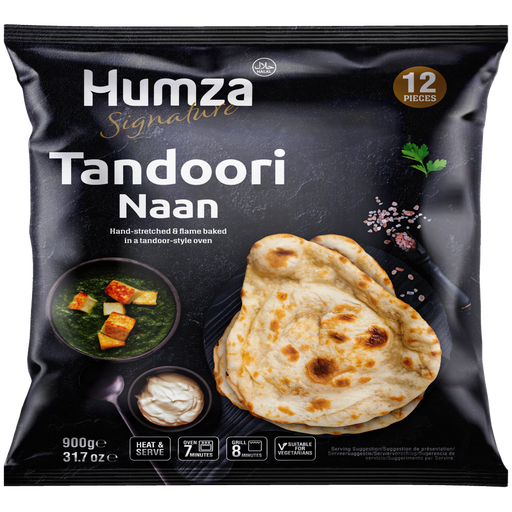
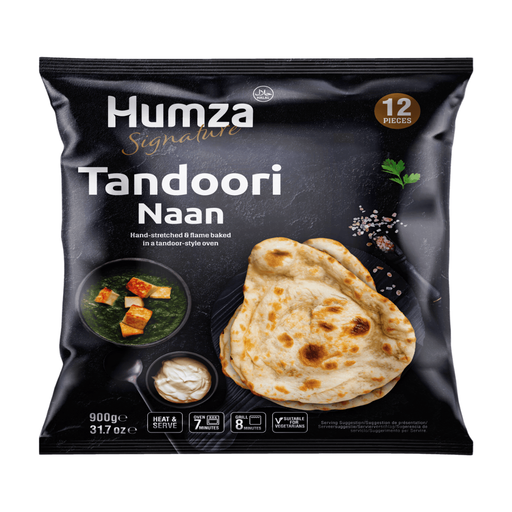
These Humza plain-naan packs are options to portion at home when the meal calls for naan rather than a ready-sliced loaf. Compare the number of breads with how much your household expects to use.
 No image available
Cut off a small piece if the household will share the naan. This is a 900g pack of 12 plain naans, not a medium-sliced loaf; check the pack’s ingredients and storage directions for your needs.
 No image available
Cut a piece from a whole naan when you want to offer a smaller portion. The 300g pack contains four plain tandoori naans; these are not ready-cut medium slices, so check the pack details before serving.
Not necessarily. A mini naan offers one way to start with a small portion, but it cannot guarantee acceptance. The NHS advises offering small portions and not forcing a child to eat food they reject.
No. Follow the heating directions on the naan you buy: the listed products give directions that differ by product, including cooking time and starting temperature.
The Sainsbury’s, M&S and Waitrose mini-naan product information includes freezing directions, but the timing and opened-pack instructions differ. Follow the directions on your purchased pack.
The word “plain” does not establish allergy suitability. Check the ingredients and precautionary warnings on the exact pack: for example, Sainsbury’s warns that its mini plain naan is unsuitable for customers with a milk allergy because of manufacturing methods.