Parents introducing baked beans
If the child may reject the beans, sauce or appearance, offer a small amount without pressure. The NHS advises small portions and trying a rejected food again another time.


If a child has not tried baked beans, start with a small serving of a plain tomato-bean recipe rather than committing to a multipack; the NHS advises small portions and no pressure to eat. Once the household knows it will use the recipe, a larger pack may make sense, but check how much can be used after opening. For reduced sugar-and-salt recipes, compare the labels and ingredients as well as the tin size, particularly when choosing food for a child aged four or under.
Whether beans are new to the child or already part of family meals changes which pack size is practical.
If the child may reject the beans, sauce or appearance, offer a small amount without pressure. The NHS advises small portions and trying a rejected food again another time.
If more than one person eats the same recipe regularly, consider whether larger tins or multipacks fit the household’s use and storage plans.
Standard and reduced recipes can have different sugar, salt and sweetener declarations. Check the exact tin, especially when selecting food for a young child or someone with an allergy.
Start with whether the recipe is accepted, then choose a pack size the household can use and compare labels on the same basis.
| Priority | What to check | Your needs |
|---|---|---|
| First serving | Look for a plain tomato-bean recipe and serve a small amount. The NHS advises against forcing a child to eat rejected food. | “I’d like to find out whether the child accepts the beans and sauce without making the meal a test.” |
| Pack size | Check the weight and number of tins, then read the opened-tin storage instructions. A multipack is more useful when the household expects to use it. | “A small tin suits an uncertain first try; if we regularly eat this recipe, several tins may be practical.” |
| Recipe | Compare sugars and salt per 100g across the exact products. Read the ingredients too: “no added sugar” does not establish that a recipe contains no sweetener. | “If sugar or salt is a household priority, I want the label comparison to reflect the recipe we will actually serve.” |
| Age and allergens | Check the current ingredient and allergen declarations. The NHS advises avoiding foods and drinks with sweeteners or sugar for children aged four years or younger. | “For a young child or someone with an allergy, I need to check the particular tin rather than assume similar-looking recipes are interchangeable.” |
A larger pack leaves more beans unused if the child rejects the meal or the household does not eat the same recipe.
Try a small serving first. Consider a larger pack once you know the household will use it, and follow the tin’s instructions for opened leftovers.
Unused tins or leftovers are a practical burden when the recipe does not become part of regular meals.
Heinz No Added Sugar Beanz lists steviol glycosides from stevia. The NHS advises avoiding foods and drinks with sweeteners or sugar for children aged four years or younger.
For this age group, read the full ingredient list alongside the nutrition panel before choosing a reduced recipe.
Pressure to eat is at odds with NHS advice to offer small portions and avoid forcing a child who refuses food.
Serve a small amount and follow the product’s storage instructions for any usable leftovers.
These ranges illustrate differences in pack format and recipe; check the label of the specific tin you are considering.
Tesco Groceries lists own-label plain baked beans in a 220g tin and a 4 x 420g multipack.
Heinz has standard and no-added-sugar baked-bean recipes; the recipe name alone does not describe every ingredient.
Waitrose & Partners lists standard Essential baked beans in 220g and 420g tins, as well as a reduced salt-and-sugar recipe.
M&S lists an Only 7 Ingredients baked-bean tin and a separate No Added Sugar recipe.
These Branston options cover a small plain tin, larger plain-bean packs and a reduced sugar-and-salt multipack. Choose the format according to whether the recipe is new to the eater or already used at home.
 No image available
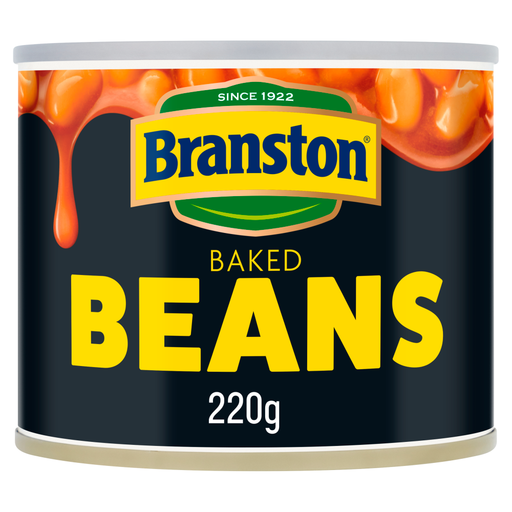
The 220g tin gives you a smaller quantity to serve when acceptance of plain beans in tomato sauce is uncertain. Offer a small portion and follow the pack’s instructions for any opened leftovers.
 No image available
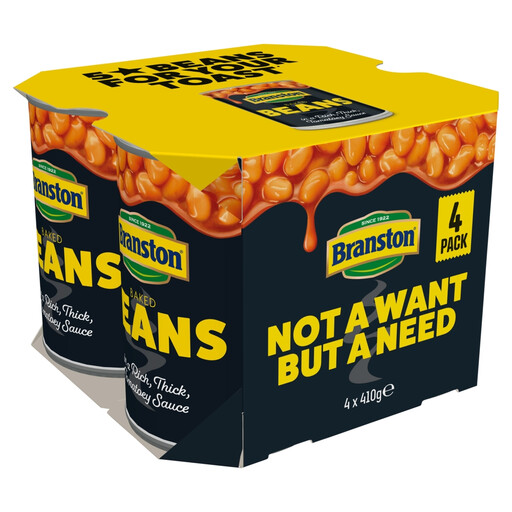
Four 410g tins are a format to consider when the household already uses plain baked beans. If the recipe is new to the child, a single smaller tin requires less commitment.
 No image available
This pack contains six 410g tins of beans in tomato sauce, making the amount of household use important. Check that the recipe is accepted and that you can use the pack before choosing it for fussy eater meals.
 No image available
This reduced sugar-and-salt recipe comes in four 410g tins, so consider the pack size as well as whether the eater accepts the recipe. Check its current ingredients for sweeteners, particularly when choosing for a child aged four or under in light of NHS advice.
Start with a small serving when acceptance is uncertain, rather than relying on the child to eat several tins of an unfamiliar recipe. The NHS advises offering small portions, not forcing a child to eat and trying again another time.
Compare sugars and salt per 100g on the exact tins, then read their ingredient lists. A no-added-sugar name does not mean sweetener-free: Heinz No Added Sugar Beanz, for example, lists steviol glycosides from stevia.
No. Check the exact ingredients: NHS guidance advises avoiding foods and drinks with sweeteners or sugar for children aged four years or younger. Reduced recipes differ, so the front-of-pack description cannot replace that check.
Follow the storage and use-by-opening instructions on that tin. Serving a small amount first lets you keep the meal low-pressure without expecting the child to finish the opened contents.
No. Check the current physical label of the exact recipe, especially where an allergy or a sweetener matters; standard and reduced versions can have different ingredient declarations.