Platform-first adventure players
Players who need a controller for their main Xbox, PlayStation or Nintendo device and want to confirm game support before considering extra features.


Choose a controller that works with your main gaming device and the fantasy game you intend to play before weighing up feedback effects or extra controls. Standard platform controllers suit players who do not need specialised adjustments; cross-device use calls for a separate game-support check. A bright room changes what you need to check on the screen, not the controller’s ability to make it readable.
Players who need a controller for their main Xbox, PlayStation or Nintendo device and want to confirm game support before considering extra features.
Players who spend extended sessions exploring fantasy worlds and care about grip comfort, charging arrangements and controls that remain practical to use.
Players with a specific reason to remap inputs or adjust sticks, triggers or back buttons rather than use a standard layout.
Start with the device and game you actually use. Then decide whether supported feedback, adjustable controls and long-session practicality matter to you; assess screen visibility separately in the room where you play.
| Concern | What to check | Who this matters to |
|---|---|---|
| Platform and game compatibility | Check the exact controller against your device, its connection method and the game’s controller-support information. Device compatibility alone does not establish game support. | I need the controller to work with my main device and the adventure I plan to play; around 46% of consumers put platform and game compatibility first. |
| Feedback and custom controls | Check the game’s support for feedback effects and the exact model’s adjustment options. PlayStation says DualSense haptics and adaptive triggers depend on game support and may require USB. | If I want tactile effects or a particular button layout, I need to know I can use them in my games; roughly 27% of consumers make feedback or control customisation their primary concern. |
| Comfort and charging | Consider grip shape and check the model’s power arrangement and box contents before relying on a charging cable or a battery-life figure. | Long exploration sessions make interruptions and an uncomfortable grip harder to ignore; around 18% of consumers prioritise comfort and power arrangements. |
| Bright-room visibility | Assess screen brightness, reflections, placement and game display settings in your room. Controller colour does not resolve screen glare. | I want to see the game clearly in daylight without mistaking a controller choice for a display fix; roughly 9% of consumers put the bright-room setup first. |
Xbox, PlayStation and Nintendo controllers have different platform routes, and a compatible device does not mean every game on it accepts controller input.
Identify your main device, then check the intended fantasy game’s input-support information before choosing a model.
PlayStation says DualSense haptic feedback and adaptive triggers depend on game support. Adjustable controls on models such as DualSense Edge and Xbox Elite Wireless Controller Series 2 serve a different need: changing how inputs feel or where they sit.
Check that your game uses the effect you want, or name the control adjustment you would actually make, before choosing a specialised controller.
Nintendo lists a USB Type-C cable with the original Switch Pro Controller, while PlayStation’s DualSense purchase information says a cable is not included. Box contents must be checked for the exact product you choose.
Confirm that you have a suitable cable if you plan to charge or connect the controller by USB.
Without a suitable cable, charging or using a feature that requires a USB connection means obtaining one separately.
UK government guidance says unwanted electrical products and batteries should go to an appropriate collection point rather than household rubbish.
Use a suitable electrical-waste or battery collection point when disposing of a controller at the end of its life.
The standard Xbox Wireless Controller is a starting point for Xbox or Windows play and listed Android and iOS use. Xbox Elite Wireless Controller Series 2 is a separate option for players seeking adjustable controls.
DualSense suits a PS5-centred setup when supported-game feedback matters. DualSense Edge addresses a more specific need to alter the control layout or trigger travel.
The original Nintendo Switch Pro Controller is a full-size option for Nintendo Switch play, with motion controls, HD Rumble and amiibo functionality.
These choices cover Xbox and Windows controllers, a PS5 DualSense controller and a Nintendo Switch 2 controller. Choose for your own console or computer and check the intended game’s support; the Switch 2 model here should not be confused with the original Switch Pro Controller discussed above.
 No image available
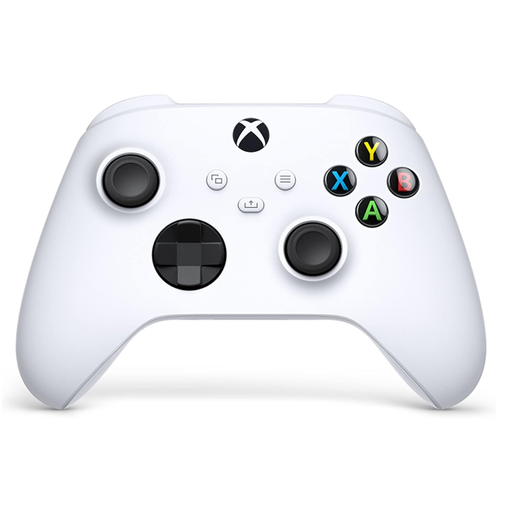
Consider this standard controller if you mainly play on Xbox or Windows and do not need specialised control adjustments. Microsoft also lists Android and iOS compatibility, Xbox Wireless and Bluetooth connectivity; confirm controller input in each game you plan to play.
 No image available
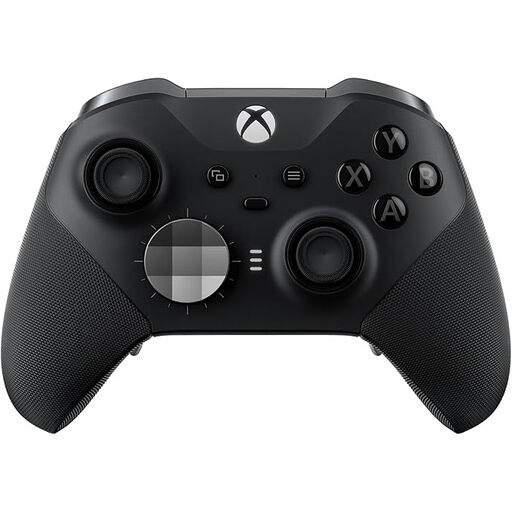
Consider this model for the listed Xbox consoles or PC if you have a specific reason to adjust control feel. Microsoft describes adjustable-tension thumbsticks, shorter trigger-lock settings and a rubberised grip; a standard layout may be sufficient if you would not use those adjustments.
 No image available
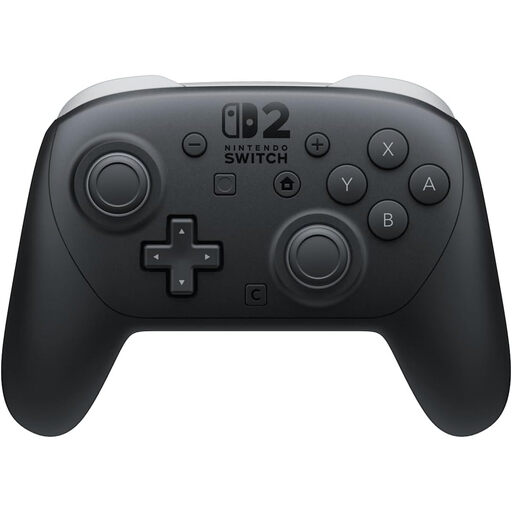
Choose this controller only after confirming that Nintendo Switch 2 is the console you intend to use. Check the particular game’s controller and feature support, and check the model’s battery information if session length matters to you.
 No image available
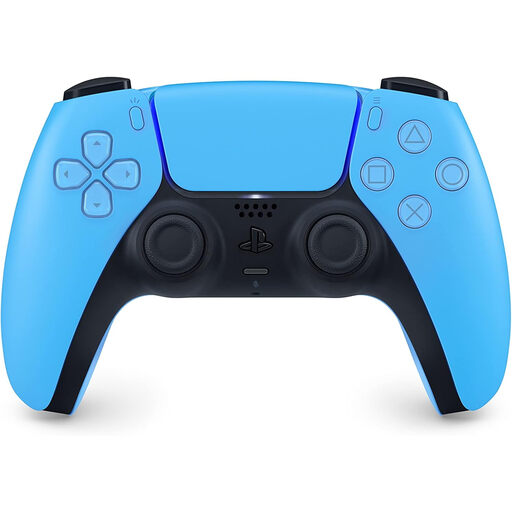
For PS5 play, this DualSense model is worth considering if your chosen game uses its feedback features. PlayStation says haptic feedback and adaptive triggers depend on game support and may require USB; confirm this package’s cable contents before relying on a wired connection or charging it.
 No image available
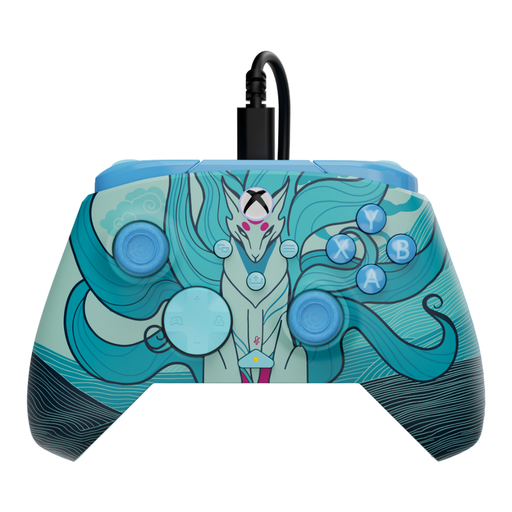
Consider this wired model if you play on the listed Xbox or PC platforms and prefer a USB-connected setup. Check that the cable and your seating arrangement work together, and confirm controller support in your intended game.
No controller choice will, by itself, make a difficult-to-see screen clearer. Choose for your device and control needs, then assess screen brightness, reflections, placement and game display settings in the room where you play.
No. PlayStation says DualSense haptic feedback and adaptive triggers are available when a game supports them and may require a USB connection. Check the particular game’s feature information if those effects are a reason for your choice.
Check your operating system, the controller’s connection method and the individual game’s input support. Microsoft lists Xbox Wireless Controller use with Windows PC, Android and iOS, while PlayStation lists DualSense compatibility with PC, Mac and mobile devices; neither device list guarantees controller support in every game.
It depends on the exact model and package. Nintendo lists a USB Type-C cable with the original Switch Pro Controller, whereas PlayStation’s DualSense purchase information says a cable is not included. Confirm the contents of the product you are buying, particularly if you need USB for charging or a supported feature.
Take an unwanted electrical controller or battery to an appropriate collection point rather than putting it in household rubbish. That follows UK government guidance on recycling electrical products and batteries.