Brand and retailer references
These examples show where to look for snack options or allergen information; a retailer range or brand name does not establish that an individual product suits a guest.
KP
A reference for packaged peanut snacks when the group has confirmed it does not need to avoid nuts.
- KP Original Salted Peanuts lists peanuts as an ingredient.
- That product also warns it may contain other nuts, milk, soya and gluten. KP advises checking each pack before purchase.
Sainsbury’s
Its nut-free browsing category includes alternatives to nut snacks.
- The category provides a starting point for finding packaged options.
- Sainsbury’s advises checking product packaging and says it cannot guarantee allergen absence in several in-store prepared-food areas.
M&S
Its product labels distinguish named free-from claims from warnings about other allergens.
- M&S says its manufacturing-method cross-contact warnings are printed in blue on packs.
- Its Made Without Wheat All Butter Shortbread is gluten-free but marked unsuitable for people with nut or peanut allergy.
Tesco
Its Free From area can help shoppers browse alternatives for different food requirements.
- Tesco shows filters for gluten-, wheat-, milk- and egg-free products.
- Those filters do not establish nut-free suitability; check the individual product’s allergen information.
Planters
An example of why an unsalted peanut snack is still a peanut product.
- Planters’ US page for Unsalted Dry Roasted Peanuts lists peanuts as the ingredient.
- The US page also says the product may contain tree nuts; it does not establish the wording on a UK pack or UK availability.
Snack formats on Joybuy
These sweets and savoury snacks offer formats other than packaged nuts for a board game table. None should be treated as suitable for a particular allergy from its name or format alone: check the current pack with the affected guest before sharing.
 No image available
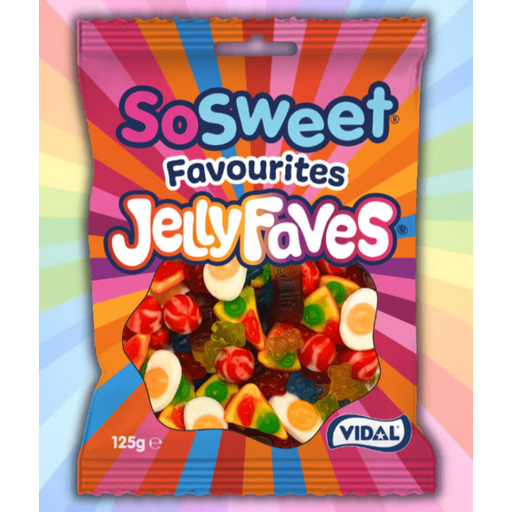
SoSweet JellyFaves Bag 125g
A 125g bag of jelly sweets for a shared sweet option instead of nuts. Check the pack’s ingredients and precautionary warnings for every allergen your guests avoid.
View on Joybuy
 No image available
Skittles Giants Fruits Vegan Sweets 132g
A 132g bag of fruit-flavoured sweets for a shared sweet option. “Vegan” does not answer a nut-allergy question; read the current pack before serving.
View on Joybuy
 No image available
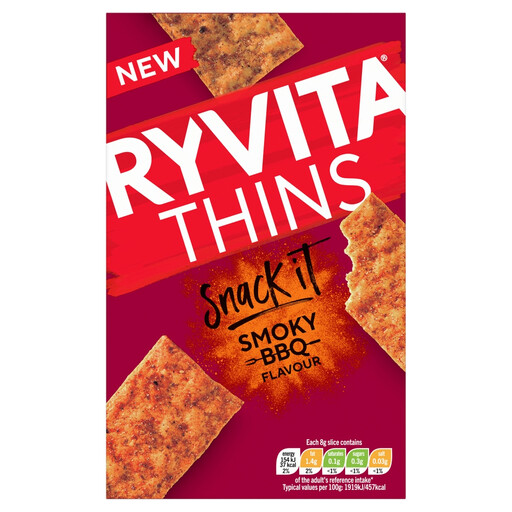
Ryvita Snack It Thins Smoky BBQ 125g
A 125g savoury snack option for the table. If guests also avoid cereals or sesame, check those declarations alongside peanut and tree-nut information on the current pack.
View on Joybuy
 No image available
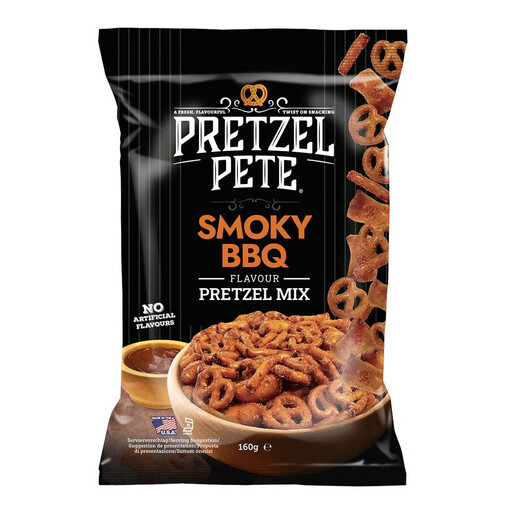
Pretzel Pete Smoky BBQ Pretzel Mix 160g
A 160g savoury pretzel mix rather than a nut snack. Check the exact pack for nut warnings and any other allergens relevant to the group.
View on Joybuy
 No image available
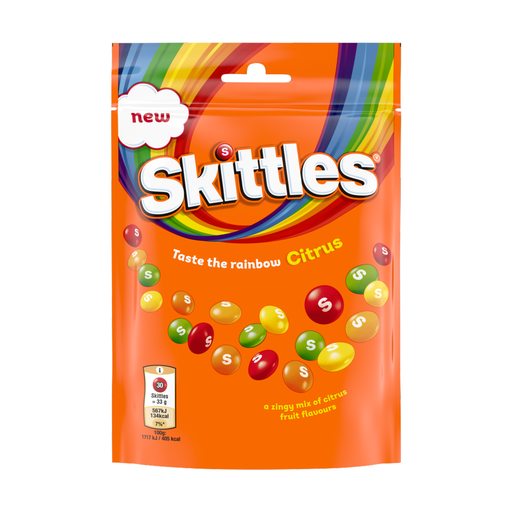
Skittles Citrus Vegan Sweets 152g
A 152g bag of citrus-flavoured sweets for a shared sweet option. Check the current pack for the specific allergens guests avoid; a vegan description does not replace an allergen check.
View on Joybuy
Questions about serving snacks
Are peanuts and tree nuts the same allergen on UK labels?
No. GOV.UK’s UK allergen guidance lists peanuts and tree nuts separately; its tree-nut examples include almonds, hazelnuts, walnuts, Brazil nuts, cashews, pecans, pistachios and macadamia nuts. Ask the affected guest which they need to avoid, then check the specific snack.
Does “Free From” mean a snack is nut-free?
No. Check which allergen the claim names and read the product’s other warnings. Tesco’s Free From area covers several requirements, while M&S labels a gluten-free, wheat-free shortbread as unsuitable for people with nut or peanut allergy.
What should I do with a “may contain nuts” warning?
Treat it as relevant information for the guest who avoids nuts, not as an assurance that the snack is suitable. The Food Standards Agency describes precautionary allergen labelling as a warning that an allergen could be unintentionally present; the affected guest should assess the exact wording against their own allergy-management advice.
Can I use an online listing or a pack I bought before to check allergens?
Check the physical pack you will serve. KP, Sainsbury’s and M&S advise checking current ingredients and allergen information, so read both the ingredient list and precautionary statements before the game night.
Are loose or counter-served snacks suitable for guests with allergies?
Do not assume they are suitable. Sainsbury’s says it cannot guarantee allergen absence in several of its in-store prepared-food areas; for a guest with an allergy, choose an option they can assess using the available product and preparation information.


