People with an existing tablet
If you already use an iPad or Galaxy tablet, a stylus made for its exact model can give you a screen-and-pen setup that is easy to put away. Check the painting app as well as the tablet before buying the pen.


Start with the device and painting software you use: a stylus is not universal, so check the exact tablet model or computer setup before comparing pen features. A compatible standalone tablet is easier to clear from a shared desk; a compact pen tablet keeps the drawing surface small but requires you to look at a separate monitor; a pen display puts the image under your pen but needs more space and a suitable computer connection.
If you already use an iPad or Galaxy tablet, a stylus made for its exact model can give you a screen-and-pen setup that is easy to put away. Check the painting app as well as the tablet before buying the pen.
If your texture files live in a desktop painting workflow, a compact pen tablet can add drawing input without taking over the desk. Check its driver and pressure input in your operating system and application.
A computer-connected pen display suits those who prefer the artwork beneath the pen and can make room for the display, its connection and any stand or adapter the setup requires.
For game-texture painting at a shared desk, establish device and app compatibility before deciding how much desk space to give the drawing surface.
Choose when: You have a compatible tablet, or want a screen-and-pen setup you can put away after use.
Accept: The pen must suit the exact tablet, and your painting app and file workflow still need checking.
Choose when: You paint on a computer and want a small drawing surface beside your keyboard.
Accept: Your hand works on the tablet while your eyes follow the image on a separate monitor.
Choose when: Drawing directly on the displayed texture matters more than keeping the drawing surface small.
Accept: It needs room on the desk and a compatible host connection; some setups need additional hardware.
| Concern | What to check | Who this matters to |
|---|---|---|
| Device and app compatibility | Match the exact tablet model or computer operating system to the pen, then check drawing-app input and your texture-file workflow. | If my existing device cannot use the pen or my painting app cannot use its input, extra controls will not help me finish the texture. Around 36% of consumers put compatibility and workflow first. |
| Desk space and connections | Measure the clear area beside your keyboard and monitor; for a pen display, check its required host ports. | When the desk must be cleared for other work, I need drawing hardware that fits and can be moved aside. Desk footprint comes first for around 29% of consumers. |
| Drawing on the image | Decide whether drawing on a separate tablet while watching a monitor feels workable, or whether you need a screen beneath the pen. | For small texture details, I would rather place the pen on the displayed image, even if that takes more room. Around 21% of consumers make direct-on-screen drawing their priority. |
| Brush input and controls | Check pressure and tilt support in your app, plus which pen buttons or tablet shortcuts you can configure. | Once my device and workspace are sorted, I want brush input and nearby controls for repeated painting actions. Those controls come first for around 14% of consumers. |
Apple Pencil models support selected iPads, while Samsung specifies particular Galaxy Tab FE models for its cited replacement S Pen. Similar-looking pens are not necessarily interchangeable.
Check the complete tablet model and generation against the manufacturer’s pen compatibility list before ordering.
A pen tablet maps movement to a separate monitor; a pen display shows the artwork beneath your hand.
If possible, try indirect drawing before choosing it for detailed texture edges. Allow for a pen display’s larger footprint if you prefer drawing on the image.
Wacom One 14’s single-cable setup depends on the host computer’s USB-C video capability, not just the shape of its port.
Check for Thunderbolt 3 or later or DisplayPort Alt Mode, then plan where the display and cables will sit.
Without a compatible port, Wacom specifies a separately sold Converter Kit; its stand is also sold separately.
A pressure specification does not establish how a brush will respond in your software. Krita’s documentation notes the importance of a properly installed tablet stylus and driver setup.
Install the appropriate driver and test pressure, tilt and shortcuts in the application you will use for texture painting.
Apple Pencil options for compatible iPads, including Pencil Pro and Pencil (USB-C).
Galaxy Tab and S Pen options for a standalone Android tablet setup.
Computer-connected drawing hardware, including the Wacom One 14 pen display.
Computer-connected pen tablets, including the compact Inspiroy 2 S.
These options cover a standalone tablet supplied with a stylus and a pen for people who already have a compatible iPad. Check your painting app and texture-file workflow before choosing either route.
 No image available
Consider this screen-and-pen setup if you want a standalone Android tablet to put away after drawing.
The listed variant has a 12.7-inch 2K display, includes a stylus and specifies 4,096-level pressure sensitivity for T-Pen drawing.
Check whether your chosen Android painting app uses its pen input as needed and supports your game-texture workflow.
 No image available
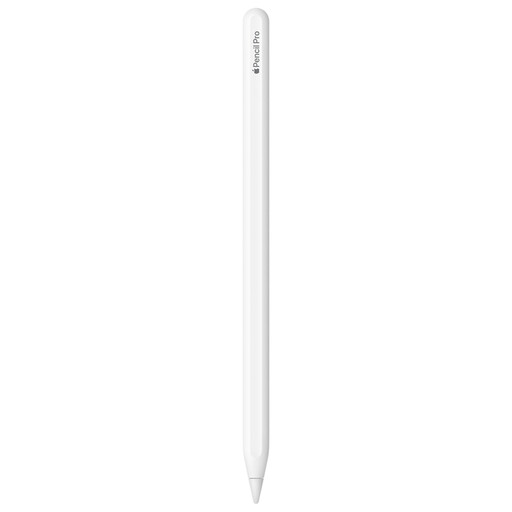
Consider this pen if you already own a supported iPad and want to draw directly on its screen.
The listing specifies pressure and tilt sensitivity, squeeze, barrel roll and hover.
Match your exact iPad model to Apple’s compatibility list and check which controls your painting app supports.
Do not assume it can provide pressure-sensitive brush input. Krita’s drawing-tablet documentation distinguishes touch styluses from drawing-tablet pens; choose a pen compatible with your device and check how your painting app handles its input.
Check the tablet maker’s driver instructions for your operating system. Krita explains that pressure sensitivity can depend on proper driver installation, so test pressure in the painting application you intend to use.
Only with a computer connection that supports the required video output. Wacom specifies Thunderbolt 3 or later or DisplayPort Alt Mode for single-cable operation; otherwise, its separately sold Converter Kit is needed.
Ask about electrical-equipment collection or retailer takeback rather than putting it in general rubbish. GOV.UK identifies the Waste Electrical and Electronic Equipment Regulations 2013, as amended, as the underpinning UK legislation; its takeback guidance says distributors must offer customers buying new electrical equipment a way to recycle old items free of charge.