Gamers who want less sugar in their drink
If you snack while playing and do not need exercise carbohydrate, start with water. A labelled zero-sugar drink offers a flavoured alternative without adding sugar from the drink.


For a mainly sedentary gaming session, choose water for hydration; if you want a flavoured drink with your snacks, a zero-sugar option avoids adding drink sugar. A carbohydrate-containing isotonic drink makes more sense when you are also exercising and want carbohydrate during that activity. Check the label rather than assuming every drink described as a sports drink has the same ingredients.
If you snack while playing and do not need exercise carbohydrate, start with water. A labelled zero-sugar drink offers a flavoured alternative without adding sugar from the drink.
A drink chosen for a workout need not be your drink for desk-based play. NHS Tayside describes isotonic drinks as containing electrolytes and carbohydrate that provides some energy during exercise.
Check whether a product is a sports drink or a high-caffeine energy drink, including when it is labelled sugar free. England has announced a future under-16 sales restriction for certain high-caffeine energy drinks; it does not apply to every sports drink.
Choose for the activity first, then compare the sugar, carbohydrate and caffeine declarations for the exact drink and serving size.
| Priority | What to check | Your needs |
|---|---|---|
| Drink sugar | Compare sugars per 100ml and per bottle. Check whether a flavoured option is labelled zero sugar; the NHS suggests diet, sugar-free or no-added-sugar swaps for sugary drinks. | I want flavour beside my snacks without routinely adding sugar from the drink. |
| Exercise carbohydrate | Check carbohydrate per 100ml as well as the drink type. NHS Tayside describes isotonic drinks as containing 4g to 8g carbohydrate per 100ml for use during exercise; zero-sugar options do not serve the same carbohydrate purpose. | After a workout, I may want a drink containing carbohydrate. During a seated gaming session, that is not the reason I am drinking. |
| Caffeine | Read the caffeine declaration and identify whether the product is a sports drink or an energy drink. Sugar-free wording alone does not establish its caffeine content. | When buying for a younger gamer, I want to know whether the drink contains caffeine, not just whether it contains sugar. |
| Serving format | Compare the stated bottle or prepared serving size with the nutrition figures. Check whether a powder needs mixing or a drink is ready to serve. | I would rather choose a format I will actually prepare or keep to hand while playing. |
A carbohydrate-containing drink can add sugar when it is being used beside snacks rather than for exercise. ASDA lists 4.1g sugars per 100ml for Powerade Berry & Tropical, equivalent to 20.5g in a 500ml bottle.
For sedentary play, choose water first. If you prefer a flavoured drink, compare the sugar declaration and the amount you intend to drink.
Sugar content does not tell you whether a drink is high in caffeine. The two product categories should not be treated as interchangeable.
Check the product description and caffeine label, particularly when buying for a younger gamer.
A zero-sugar sports drink may suit a flavour preference, but it does not have the same carbohydrate role as the isotonic drinks described by NHS Tayside for exercise.
If the drink is for activity, compare carbohydrate per 100ml rather than relying on the words “sports drink”.
A nutrition figure for one flavour or serving size does not establish the contents of another product.
Check the label for the exact flavour, bottle or multipack you plan to buy, and compare figures on the same per-100ml basis.
These ranges illustrate different drink formats and formulations; a brand name alone does not tell you which one suits a gaming session.
The range includes both zero-sugar and carbohydrate-containing sports drinks, so the exact variant matters.
Powerade Berry & Tropical is an example of a ready-to-drink isotonic option to assess for exercise rather than assume is needed with gaming snacks.
Gatorade describes its Hydration Booster as a carbohydrate-and-electrolyte powder for mixing with water.
These options span flavoured water for a gaming session, a ready-to-drink hydration product, and sports drinks to consider when exercise is part of the day. They do not all serve the same purpose.
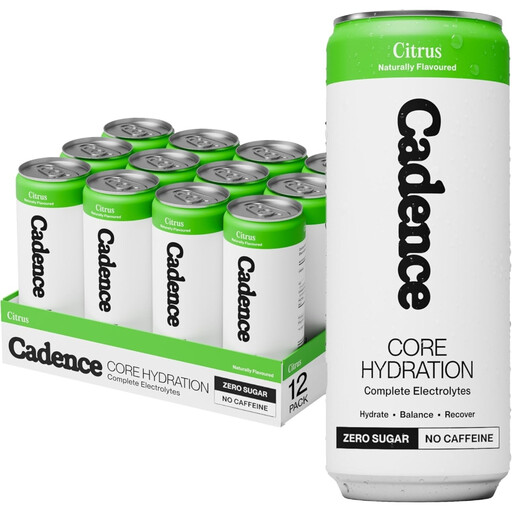 No image available
A ready-to-drink citrus option if you prefer cans beside your gaming snacks. Check the current nutrition and caffeine declarations before deciding whether it meets your lower-sugar preferences.
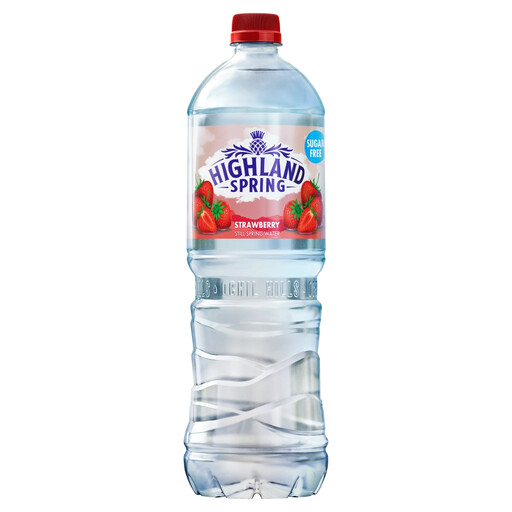 No image available
A sugar-free flavoured-water option for a sedentary gaming session, rather than a sports drink selected for exercise carbohydrate. Check the current ingredients if particular sweeteners or other ingredients matter to you.
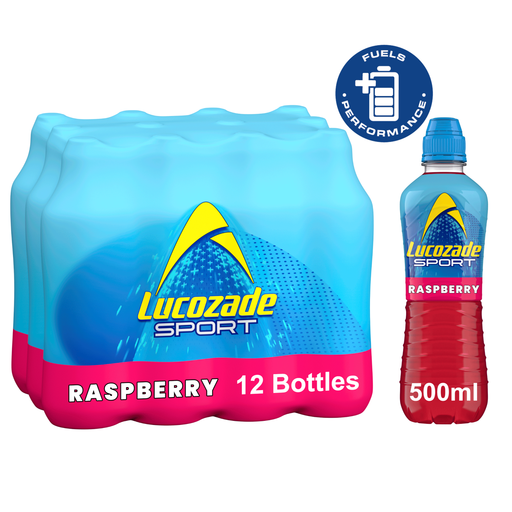 No image available
An isotonic sports drink to consider for an exercise session, rather than choosing it solely to accompany gaming snacks. Check carbohydrate, sugars and caffeine on the current pack; also read the ingredients if you need to avoid particular sweeteners.
 No image available
A bottled sports drink to assess if you also exercise. For ordinary desk-based play, compare its sugars and carbohydrate per 100ml with a zero-sugar drink or water; check the current label for caffeine too.
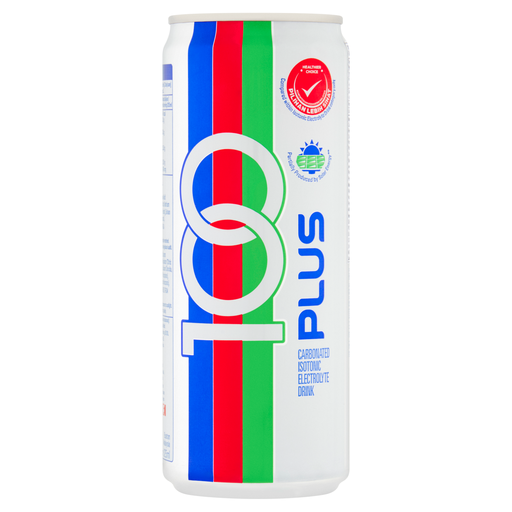 No image available
A carbonated isotonic option if that format appeals during an exercise occasion. If you are choosing a drink just for gaming, compare its sugars per 100ml and per 325ml serving with lower-sugar alternatives, and check the caffeine declaration.
A sedentary gaming session does not, by itself, call for an exercise drink. The NHS identifies water as a choice for hydration; if you want flavour alongside snacks, compare the sugar declaration on a zero-sugar or lower-sugar option.
Consider an isotonic drink when you are exercising and want a drink containing carbohydrate as well as electrolytes. NHS Tayside describes isotonic drinks as containing 4g to 8g carbohydrate per 100ml, with carbohydrate providing some energy during exercise. Check the specific product label rather than applying that range to every bottle.
No: “zero sugar” describes sugar content, not the drink category or its caffeine content. Check both the product description and the caffeine declaration, particularly when buying for a younger gamer.
England's Department of Health and Social Care and Department for Education announced in July 2026 a sales restriction intended to begin in April 2027, subject to the legislative process. The announced rule concerns drinks other than tea or coffee containing more than 150mg caffeine per litre; it is not a current ban or a rule covering all sports drinks.