Families sharing one main TV
If children take turns or want to play together on the living-room screen, check local-player support for each game before deciding how many compatible controllers and charging points the household needs.


Choose a console around where the children will play: at a shared TV, away from it, or both. Before adding controllers or headsets, check each intended game’s player modes and age rating, then set up separate child accounts and confirm its communication and online-access requirements.
If children take turns or want to play together on the living-room screen, check local-player support for each game before deciding how many compatible controllers and charging points the household needs.
When the TV is not always available, the choice of handheld, tabletop or TV play affects where the console can be used and how children will share its controllers. Nintendo describes these three play modes for Switch 2.
For children using multiplayer, friend requests or voice chat, separate child accounts make it possible to manage rules individually. Check the controls for the chosen platform and the communication features of each game.
Start with the household’s screen arrangement, then check the intended games and their account requirements. A controller or microphone is useful only when it fits that plan.
Consider it when: children need to move between handheld, tabletop and shared-TV play; Nintendo says the console includes two Joy-Con 2 controllers.
Trade-off: check the games’ local-player limits, any additional controller needs and Nintendo Switch Online requirements before planning shared or online play.
Consider it when: the household has a fixed TV position and wants to manage each child’s settings through PlayStation family accounts.
Trade-off: it does not provide handheld or tabletop play; confirm whether the chosen games need another DualSense controller or PlayStation Plus for the planned player mode.
Consider it when: a fixed-TV setup suits the household and adults want to manage child accounts and online-interaction settings through Xbox Family Settings.
Trade-off: Microsoft describes Series S as all-digital. Decide whether physical discs matter, and check each game’s multiplayer and Game Pass conditions.
| Concern | What to check | Who this matters to |
|---|---|---|
| Communication and supervision | Check separate child accounts and both platform and game permissions for chat and friend requests before choosing a microphone headset. | If my children play online, I want to decide who can contact each child rather than rely on the headset to control chat. Around 29% of consumers put supervision and communication first. |
| Playing together on one screen | Confirm each game’s local-player count, then count the compatible controllers needed at the same time. | When the children want to play together, I need their chosen games to support it without anyone waiting for a controller. For around 29% of consumers, shared-play capacity is the main concern. |
| Screens and space | Decide whether a TV is consistently available or handheld and tabletop play are needed; check game and display compatibility for advanced TV output. | If the main TV is in use, I need somewhere else the children can play without rearranging the room. Flexible screens are the priority for around 24% of consumers. |
| Online access and game format | Check membership terms for the intended online games and whether the exact console variant accepts physical discs. | Before committing to a console, I want to know how the children will access their games and online play over time. Around 18% of consumers place those access and game-format conditions first. |
A console and two controllers do not establish whether a particular game supports two local players on one screen.
List the games first, then check their platform versions, local-player limits and controller requirements before buying extra equipment.
The setup may also need compatible charging equipment or a second device, depending on how the children will play.
A headset supplies audio hardware, but child-account settings and game features determine which communication options are available.
Set each child’s communication permissions before introducing a microphone headset, and review them when platform or game features change.
Nintendo says many games need Nintendo Switch Online for online features; Microsoft states that free-to-play Xbox multiplayer is open to Xbox players. PlayStation lists online multiplayer as a PlayStation Plus benefit.
Check the exact game, platform and current membership terms before planning online sessions.
Microsoft identifies Xbox Series S as all-digital, so it will not serve a household expecting to use physical game discs.
Decide whether discs are essential and confirm the exact console variant before purchase.
Nintendo Switch 2 suits households considering one console for handheld, tabletop and TV play.
PlayStation 5 is a fixed-TV route for households managing children’s play through separate family accounts.
Xbox Series consoles are fixed-TV options for households considering phone-managed child-account settings.
These consoles suit different screen arrangements; the additional controllers are for households expanding a compatible Xbox or PS5 setup. Check the intended games and child-account rules before choosing either type of equipment.
 No image available
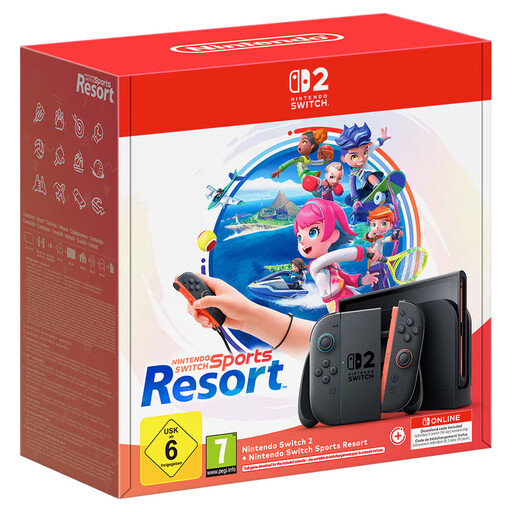
Consider this Switch 2 option when play needs to move between handheld, tabletop and shared-TV settings. Nintendo says Switch 2 includes two Joy-Con 2 controllers; check the selected games’ player modes, age ratings and online and chat conditions.
 No image available
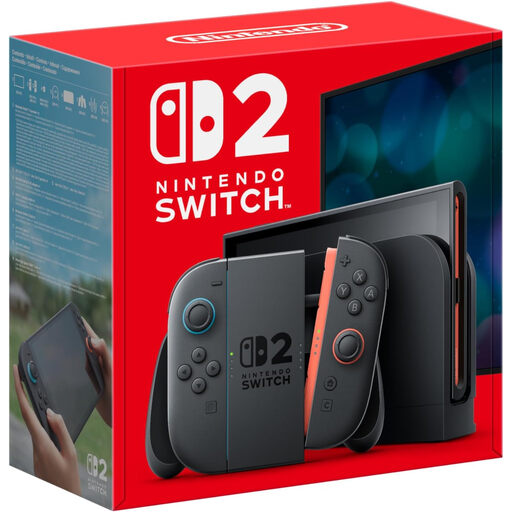
This is another Switch 2 option for households needing handheld, tabletop and TV play. Nintendo specifies a 7.9-inch screen and two included Joy-Con 2 controllers for the model; check what comes with this particular package and what the intended online games require.
No image available
Consider this 1TB Xbox Series X for a fixed-TV play area. Before planning sessions for more than one child, check the games’ local-player support, controller requirements and any online-access conditions; configure Xbox child-account settings separately.
 No image available
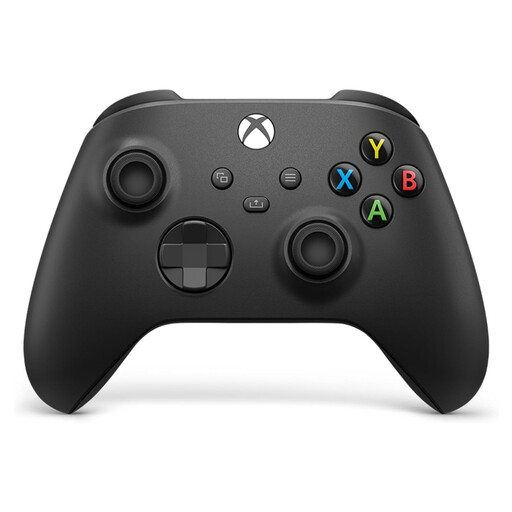
An additional controller may help children play together on a compatible Xbox setup when their chosen game supports local multiplayer. Confirm device and game compatibility, and check the included-battery details before purchase.
 No image available
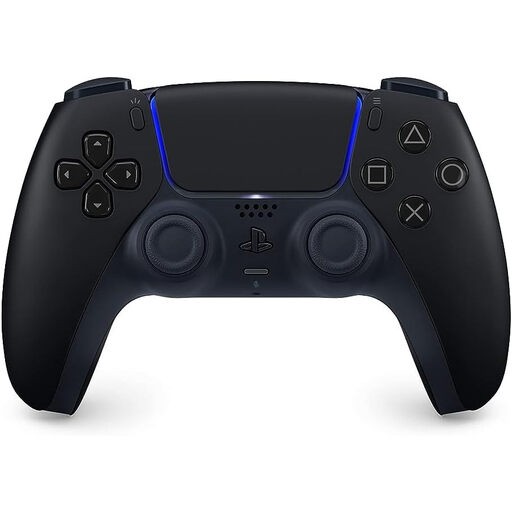
This additional PS5 controller is for households whose chosen games support another local player. Check the game’s player limit; a controller’s communication hardware does not replace child-account or chat permissions.
Separate child accounts let adults set rules for each child rather than applying one shared profile. Sony says each child needs a separate account for PlayStation online services; Microsoft provides child-account management through Xbox Family Settings. Check the chosen platform’s setup process before children play online.
No: the headset provides hardware, while account permissions and game features determine communication access. Check both before buying a headset. Nintendo says voice chat through the Nintendo Switch App for compatible games is restricted to members aged 13 and over.
No; the requirement depends on the platform and game. Nintendo says many online features need Nintendo Switch Online, Microsoft allows free-to-play Xbox multiplayer without the compared Game Pass plans, and PlayStation lists online multiplayer as a PlayStation Plus benefit. Check the exact game’s current terms.
Check the exact game’s PEGI age rating and content descriptors, then set the platform’s child-account restrictions. PEGI describes its ratings as minimum-age guidance based on content, not a measure of how difficult a game is.
No. Nintendo says Switch 2’s 4K output requires a compatible display and supported software, and is limited to 60 frames per second. Check the TV and the particular game before choosing display accessories around 4K output.